


O.Z.O.R.A. Festival 2025 Mainstage Decoration
For nine years, the workshop has been creating a renewed textile magic every year above the dance floor and venues of the O.Z.O.R.A. Festival, and Octogon magazine interviewed Angéla Thiesz, the artistic director of the Retextil Foundation. You can read the conversation by clicking here (in Hungarian only). The following text provides an insight into how this miracle is created from the perspective of a workshop member.
--
Workshop diary: The Life Cycles of a Festival
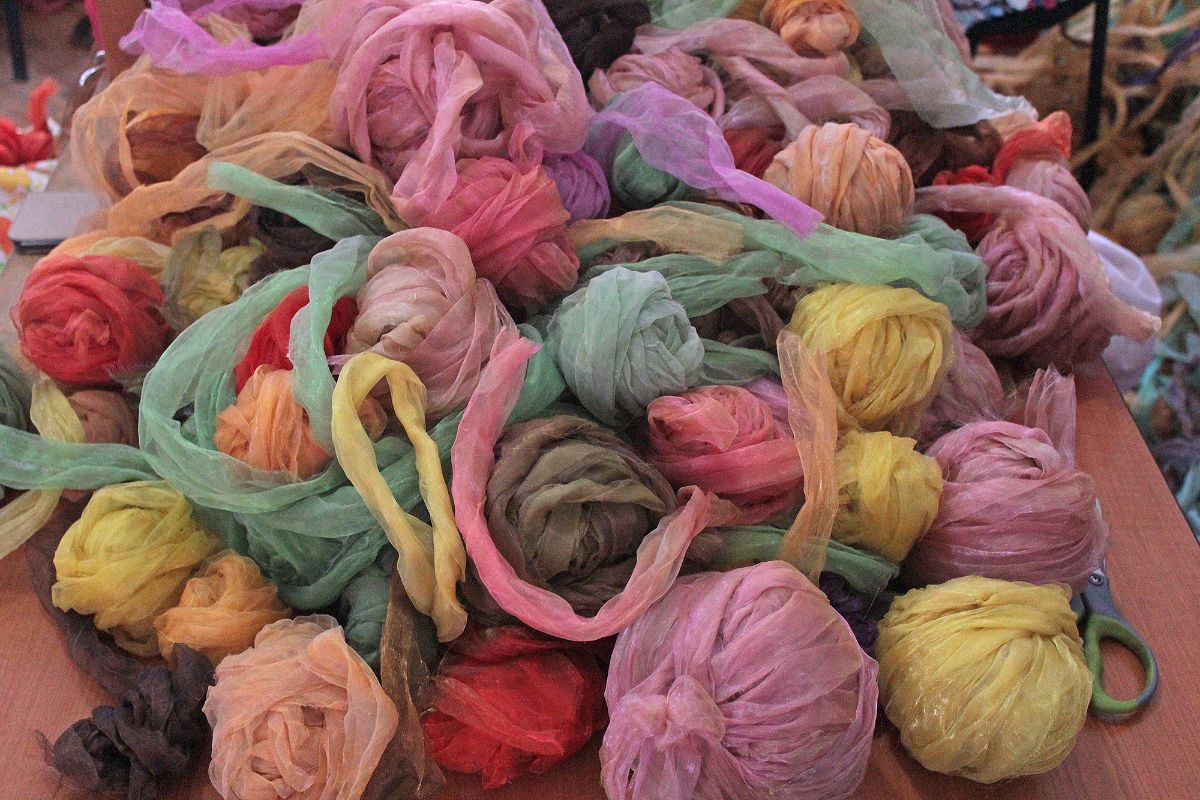
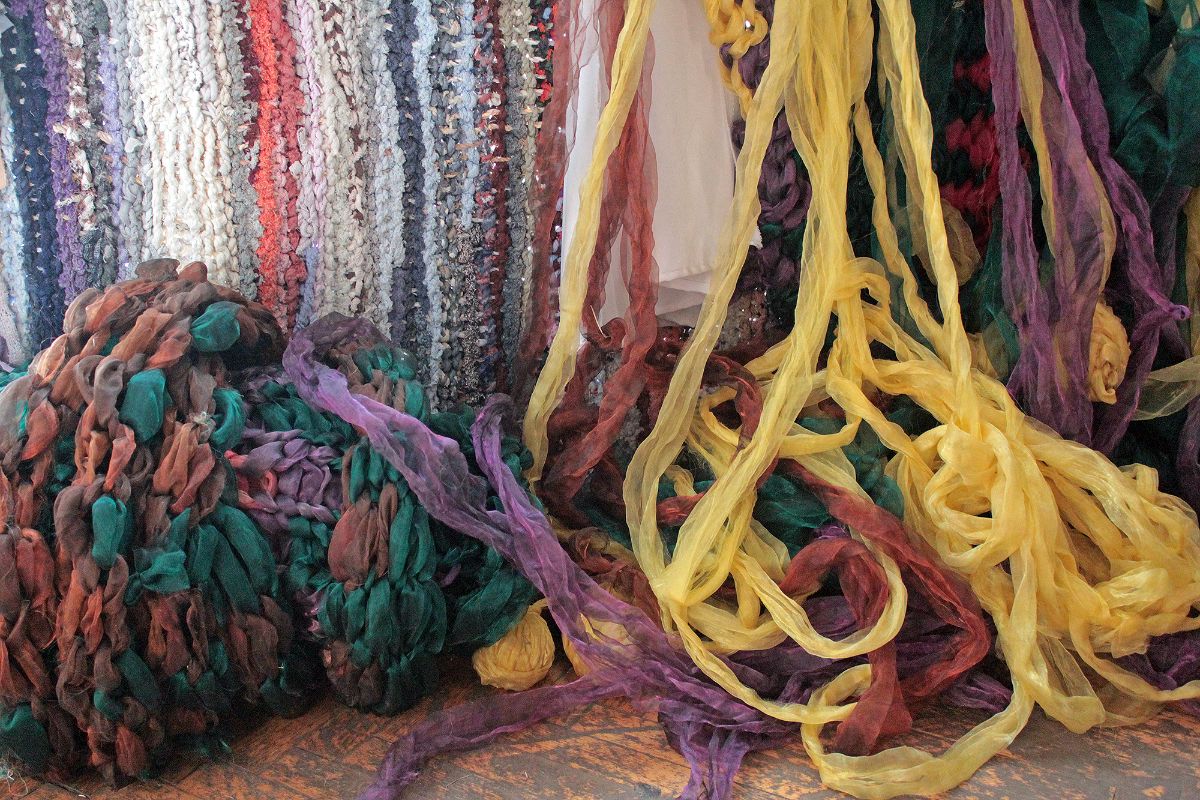
Festival dust is heavy. But we are used to it. Dexterous hands uninstall shading and artworks in Dádpuszta, under which thousands of people danced, and they are carried back to the workshop in a lorry. The yard is an apocalypse, clouds of organza, wires, leds, rope fragments. We are dismantling this chaos in the tired fall lights, everybody perched on chairs wearing a mask surrounded by all this. The dust is so heavy that one can draw in it not just on the tables but even the windows. Objects are taken apart, yarn is rolled, and as the sun moves even deeper into winter, space becomes open, and the dust settles, it is much less. We are done with all this by the beginning of December, and everybody takes a deep breath, finally. This is when the festival season is over, for us. Of course, the work does not stop, but the organza skeins are put away in pillowcases, and await their rebirth in the back storage room, and we do something else for a while. Christmas, new year passes.
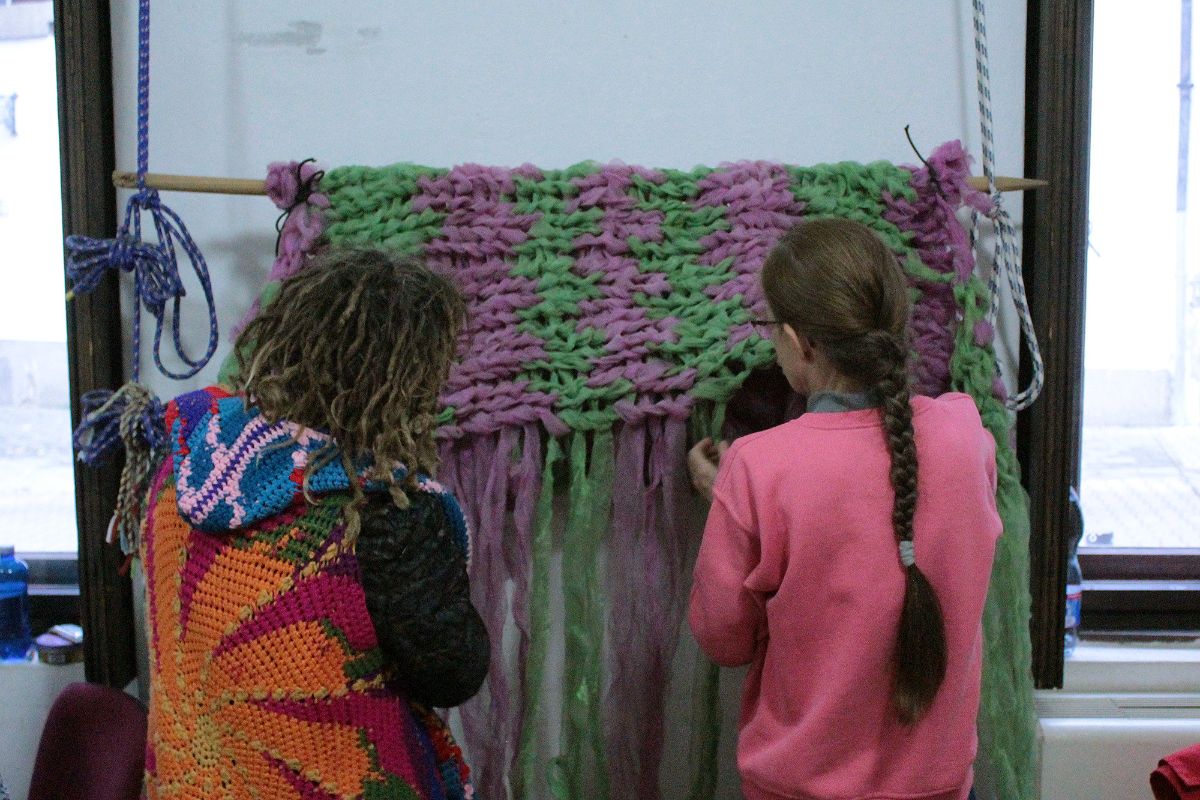
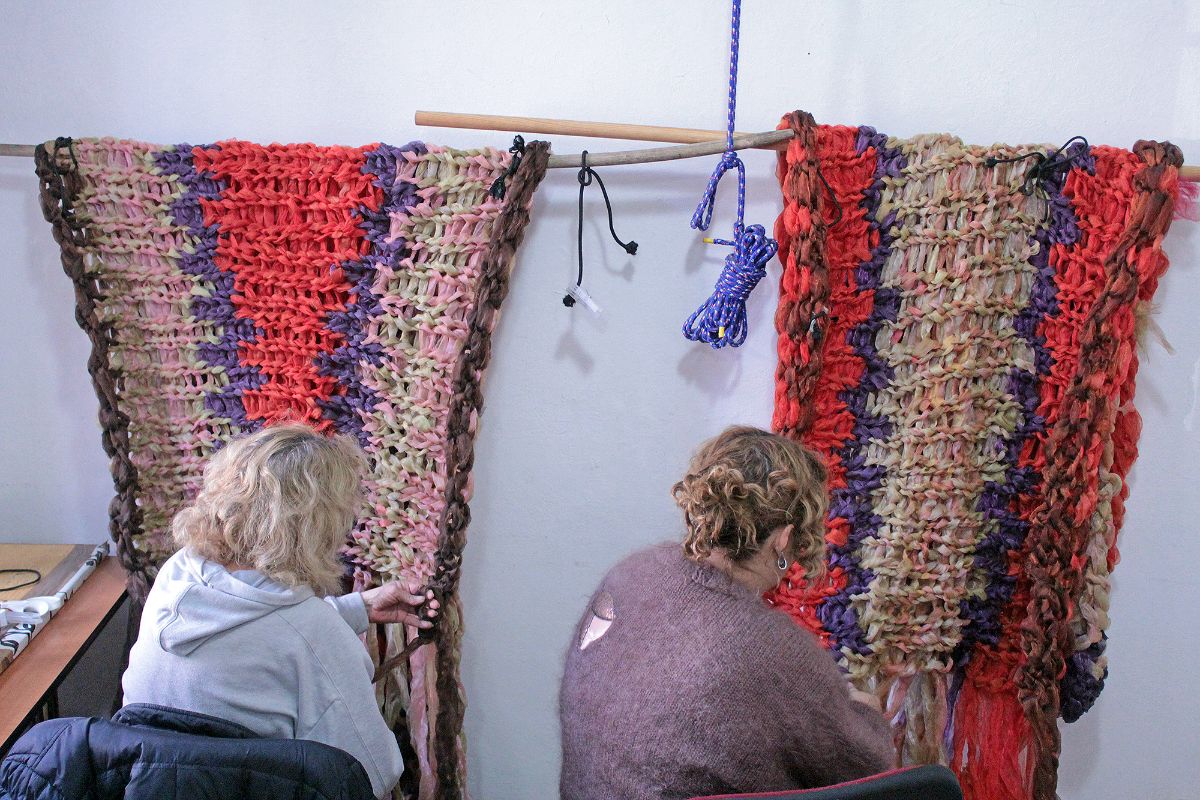
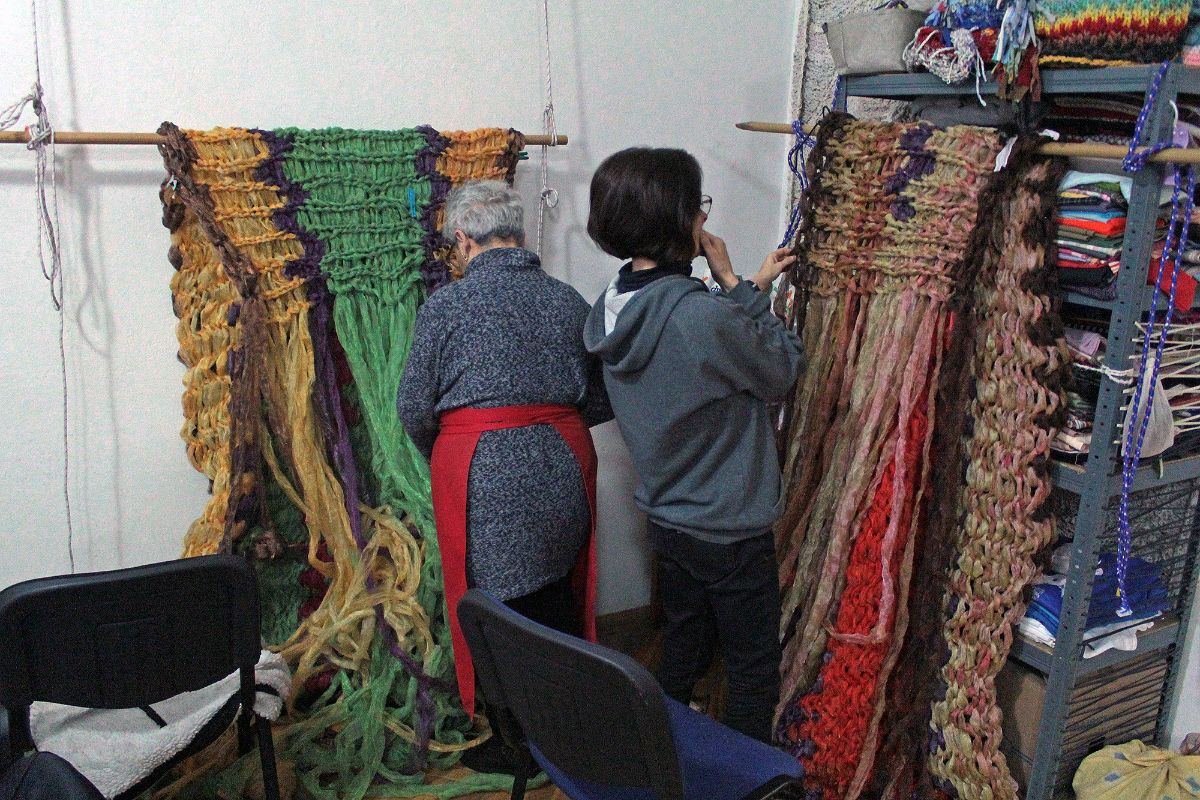
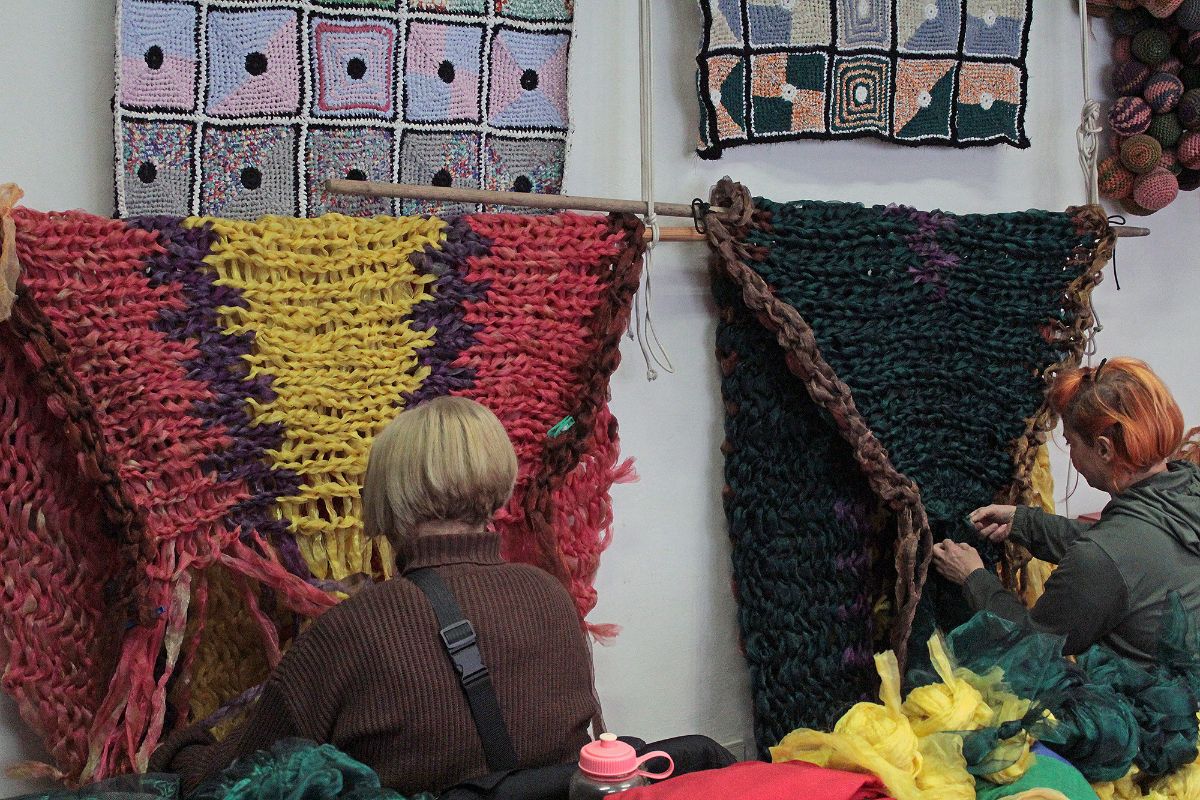
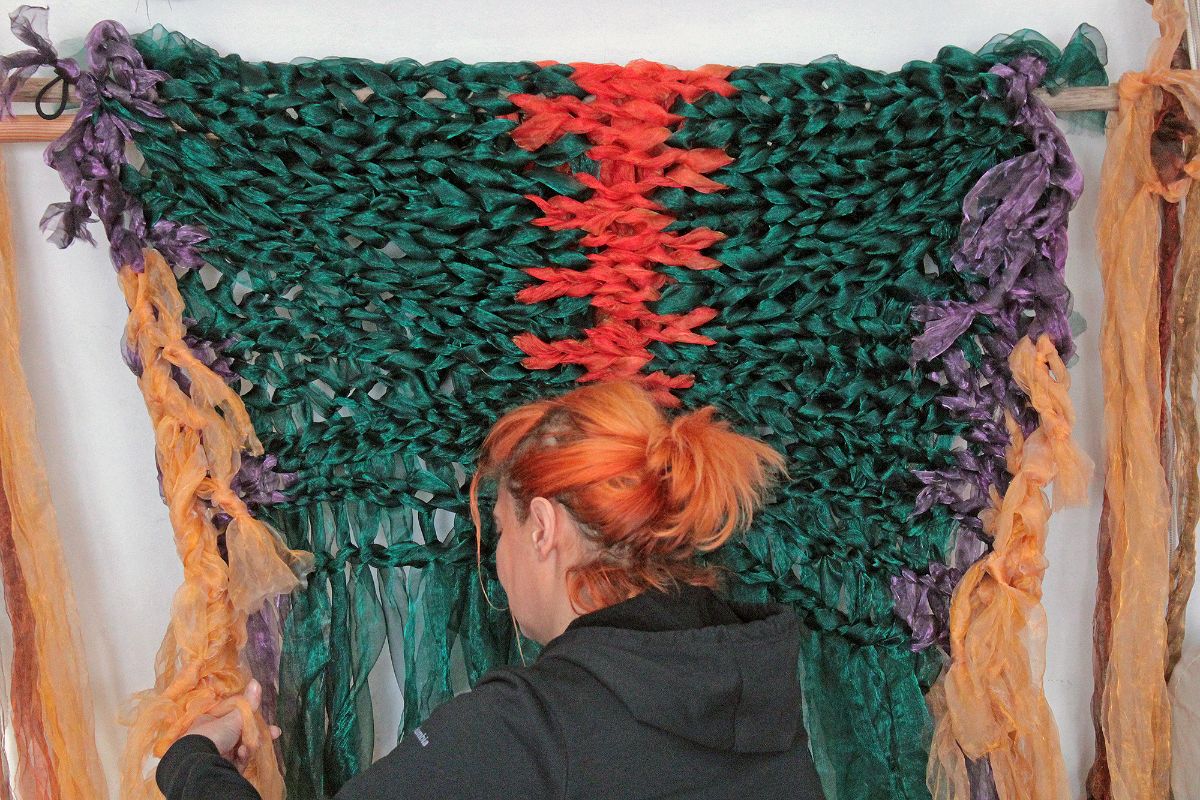
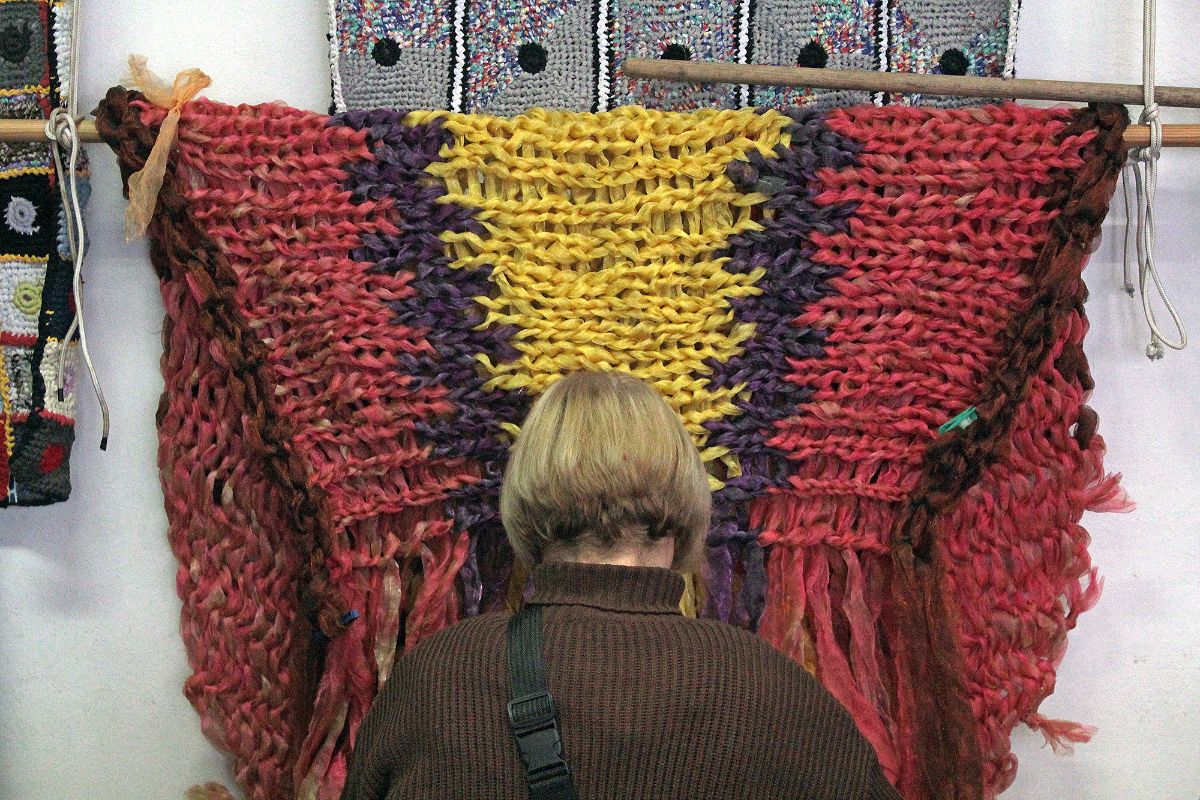
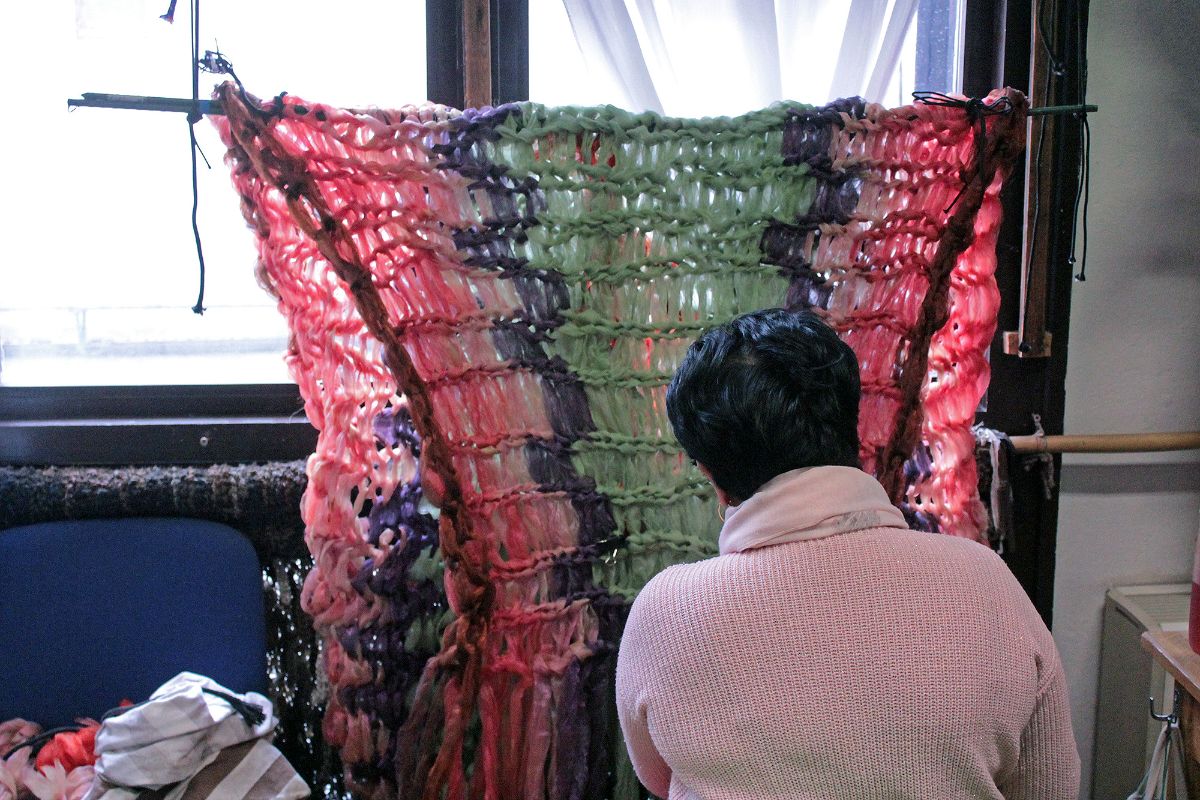
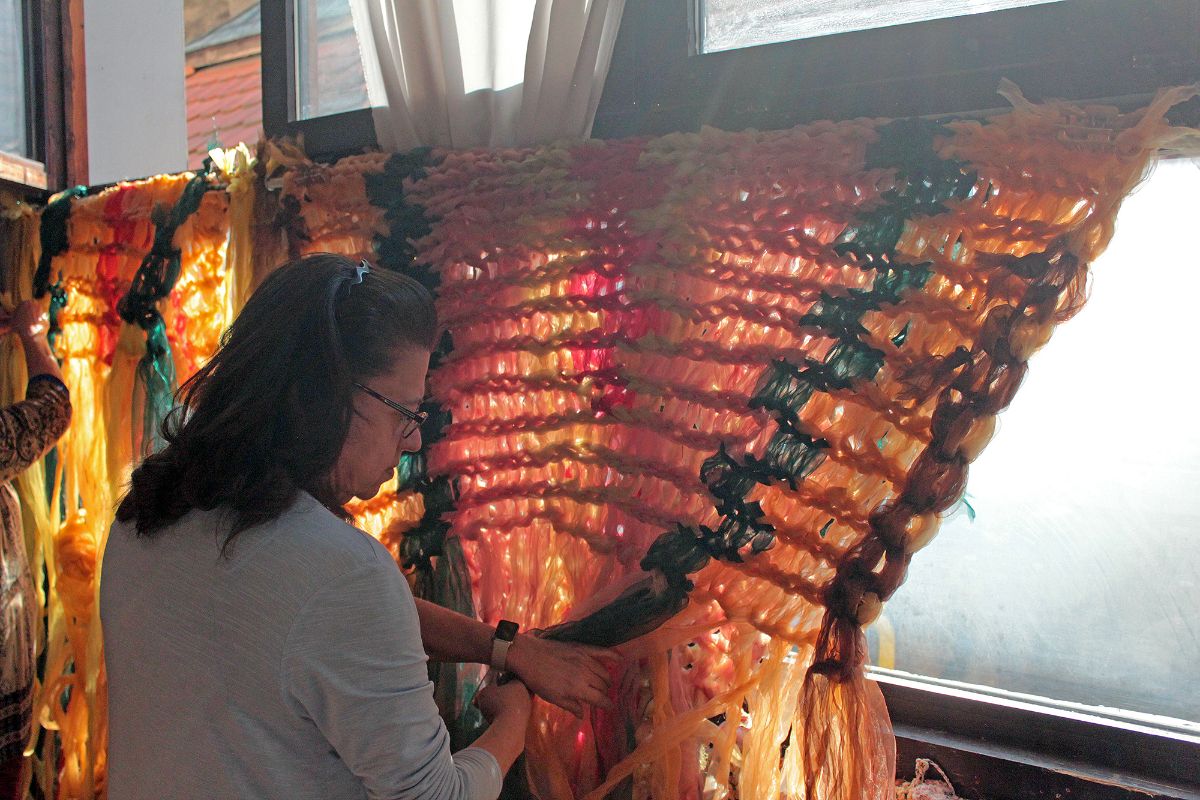
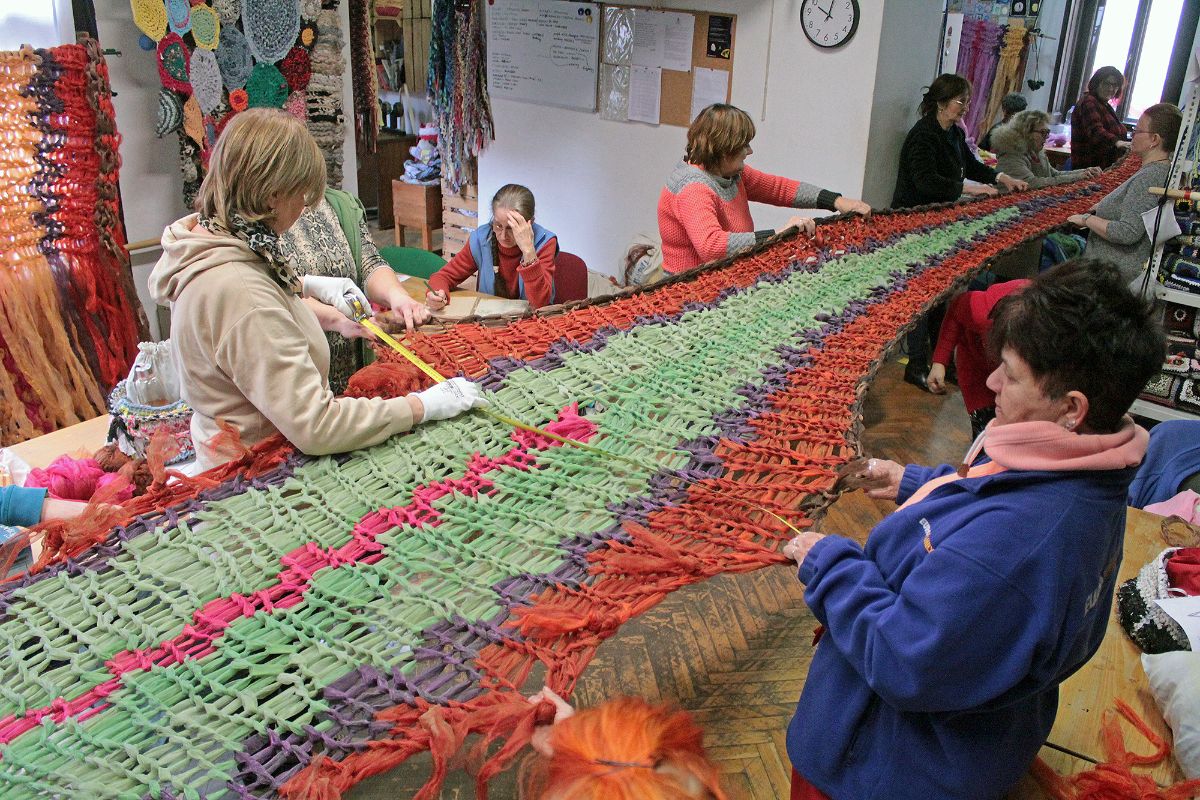
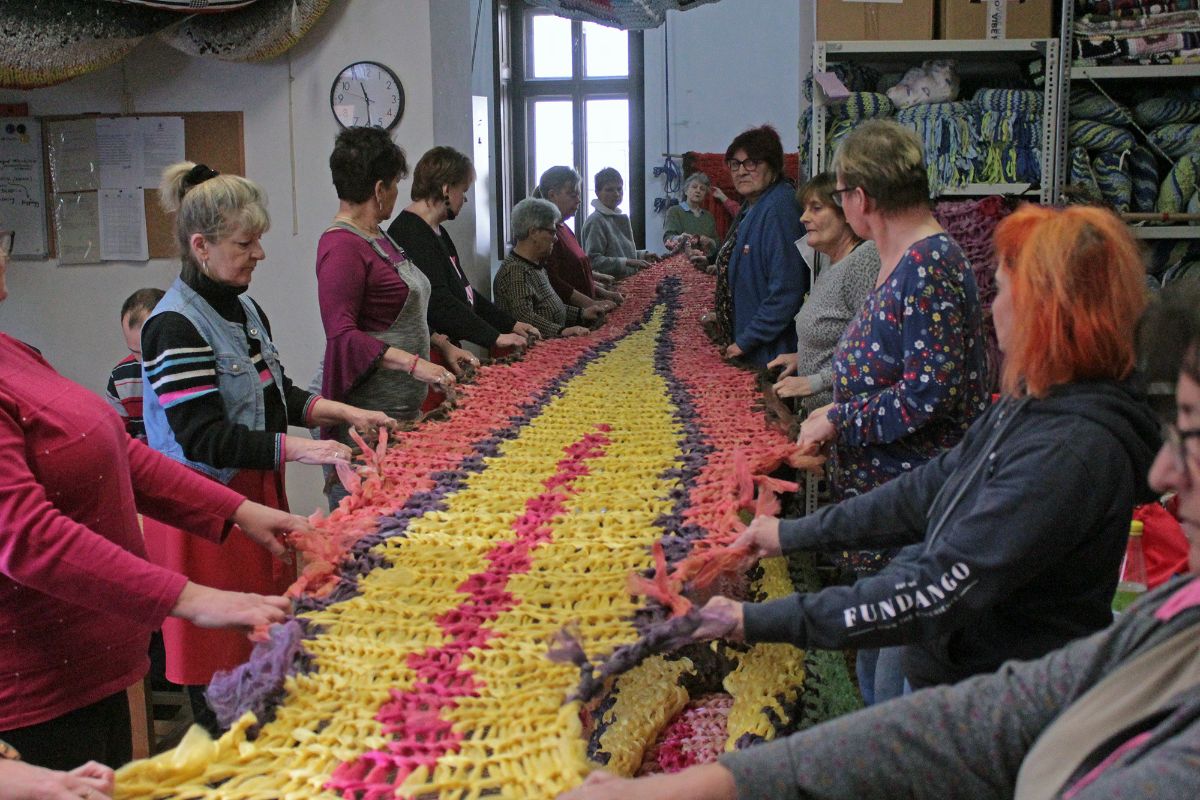
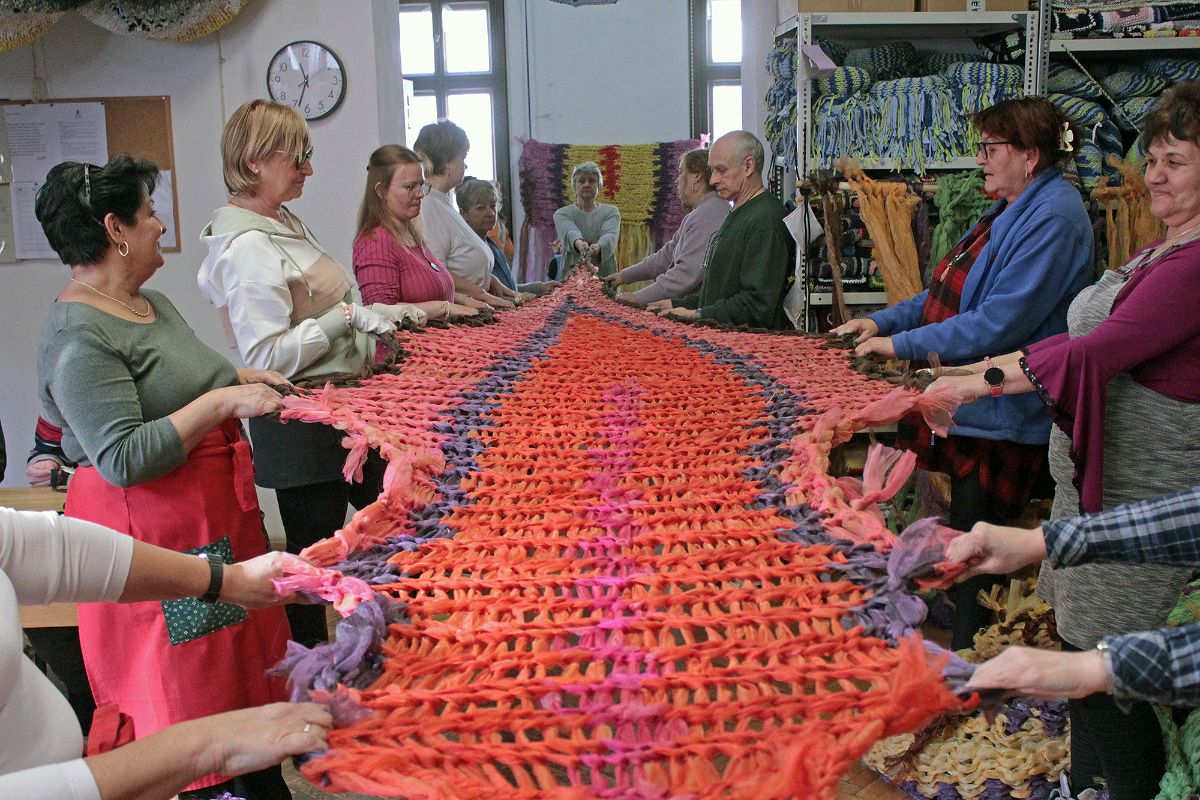
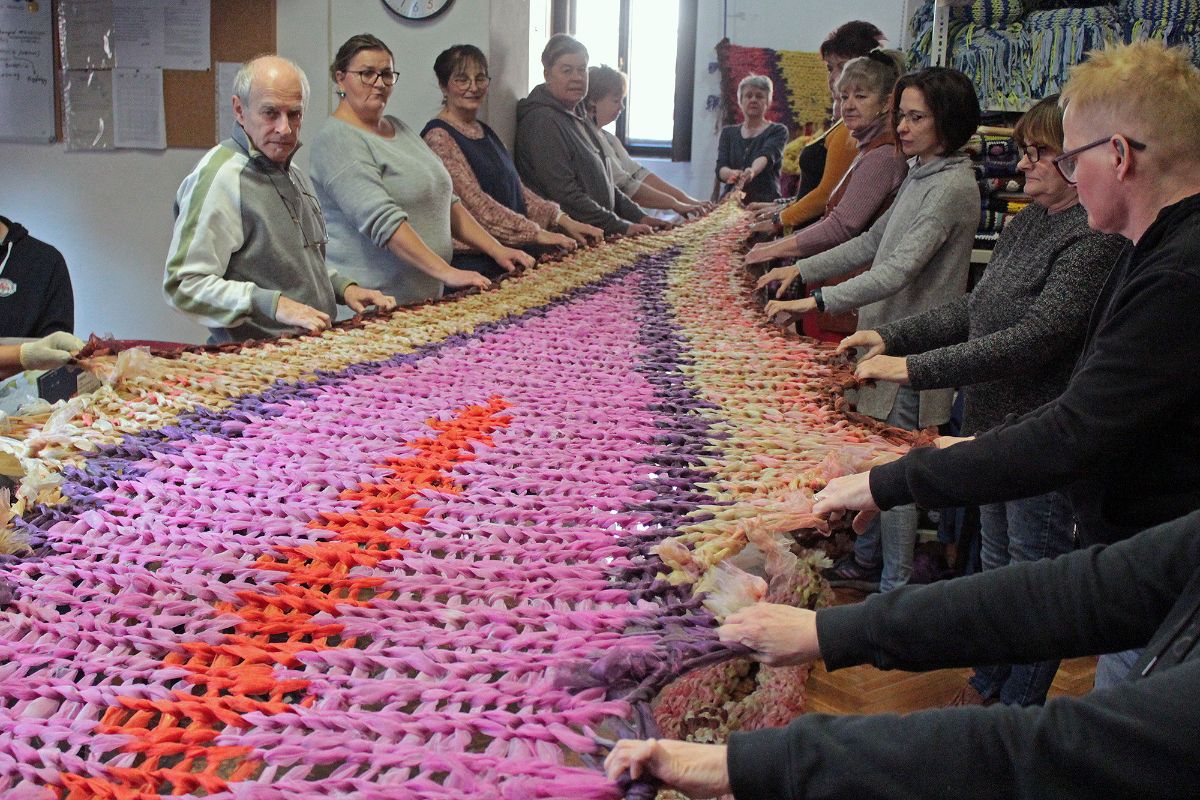
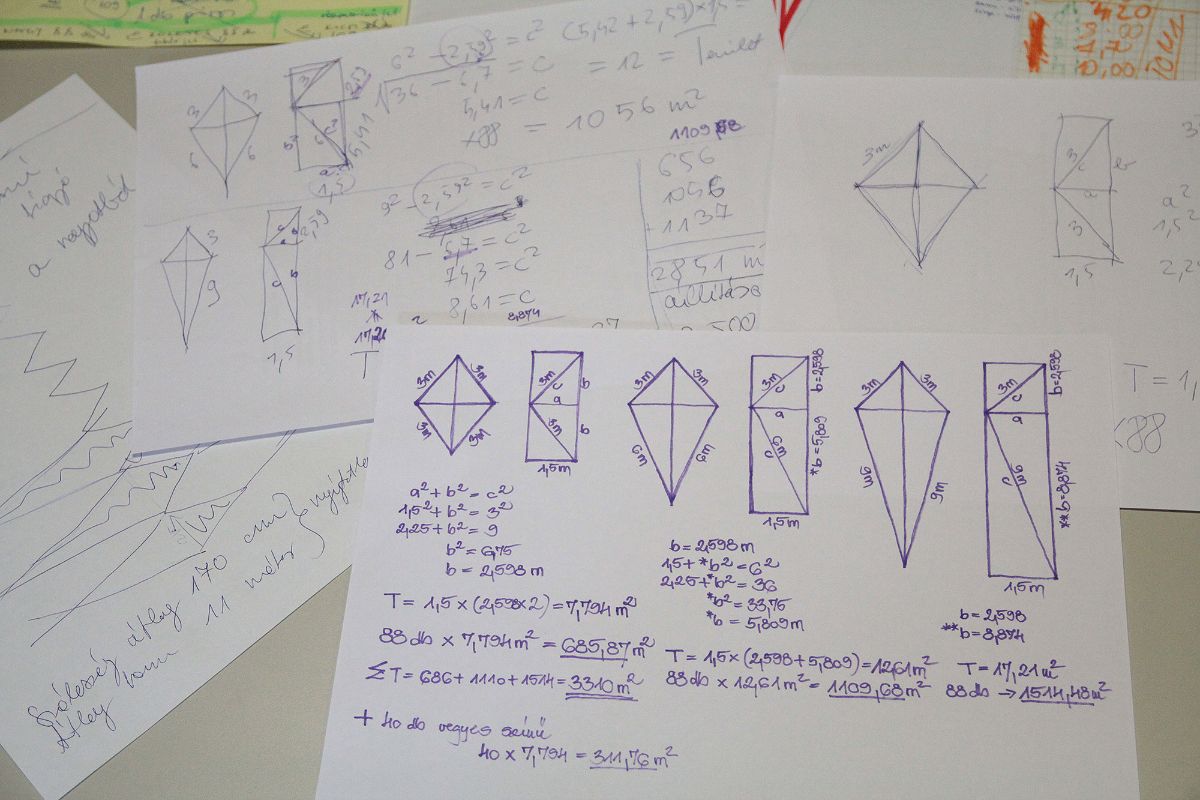
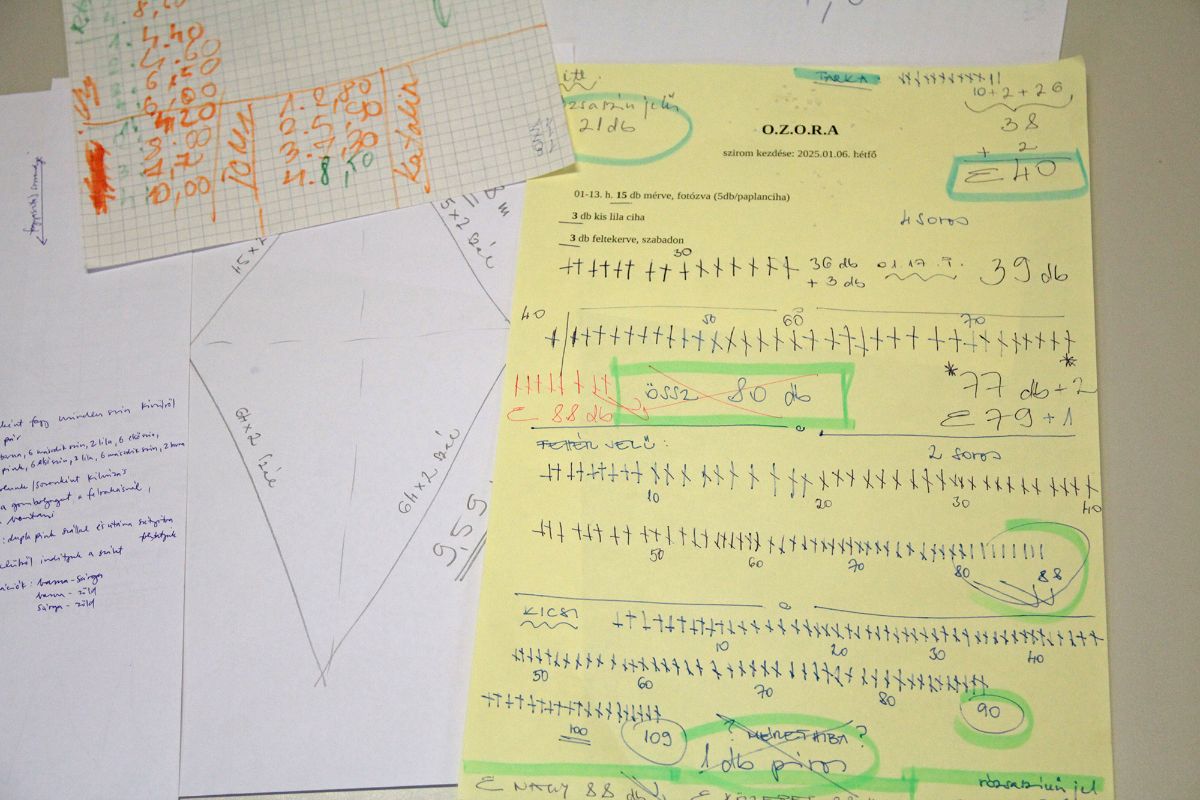
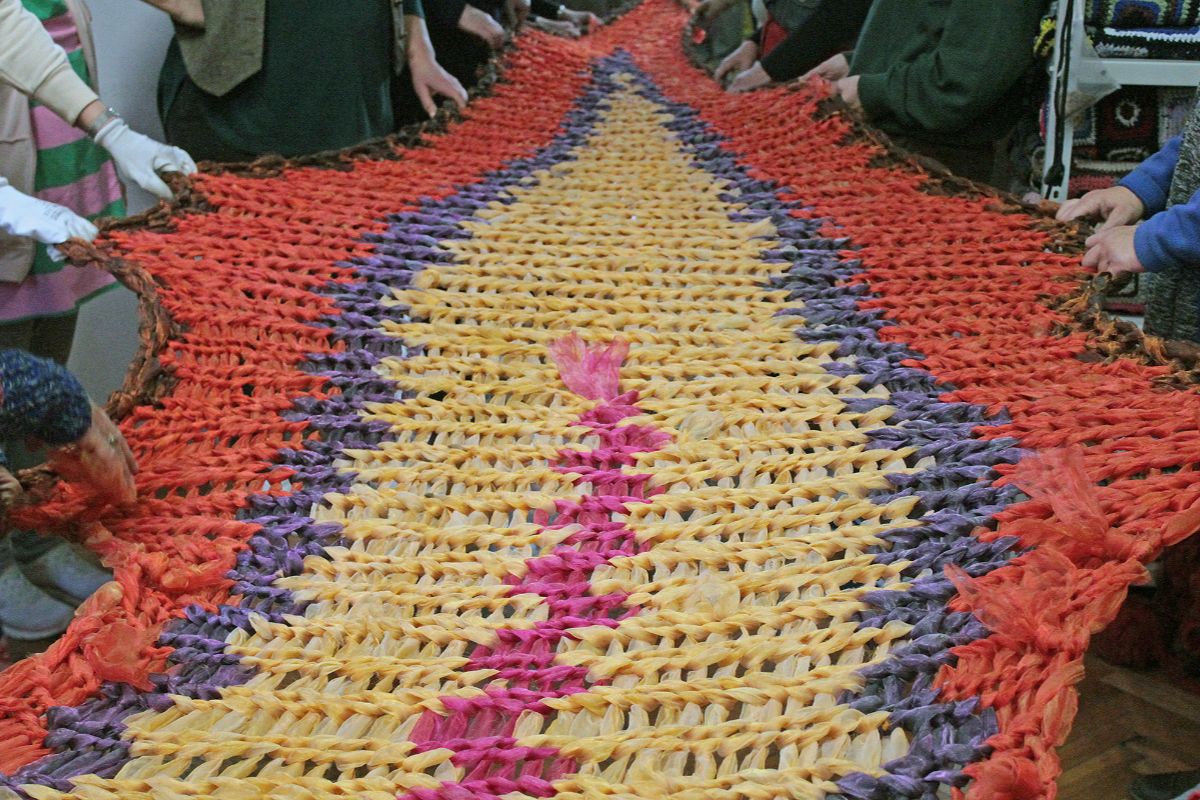
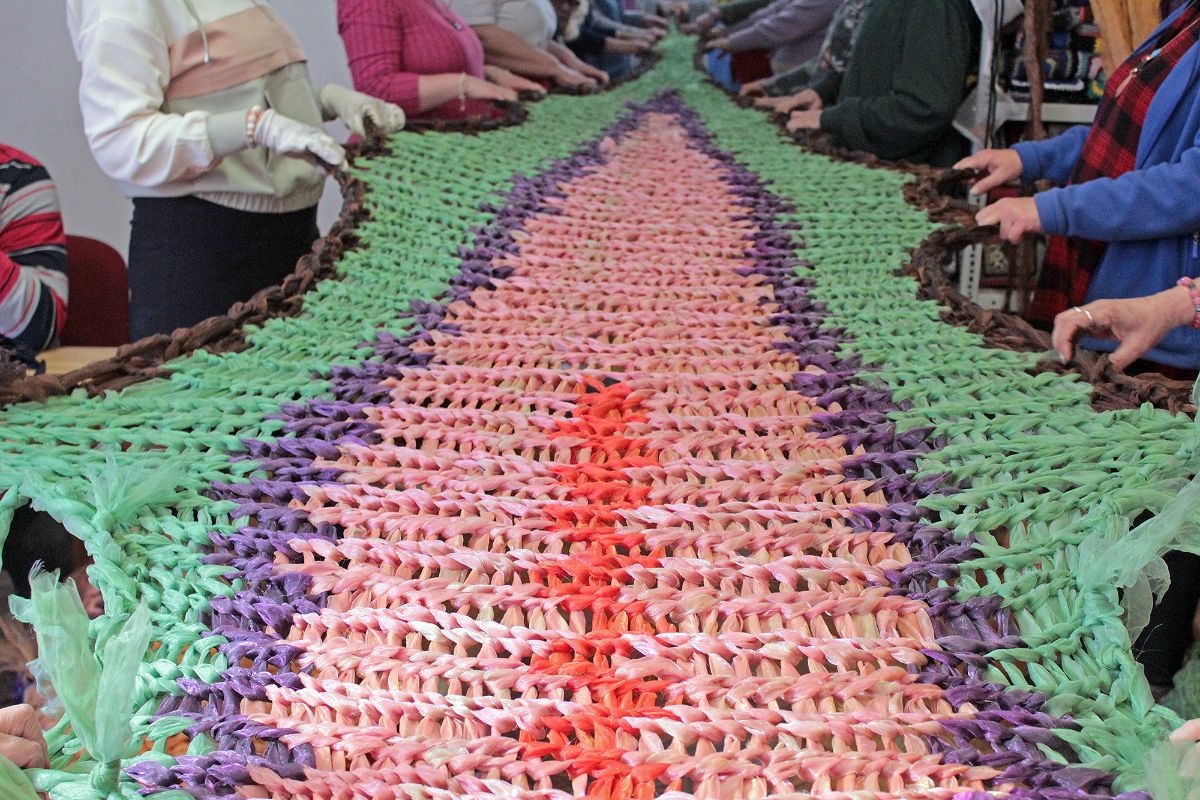
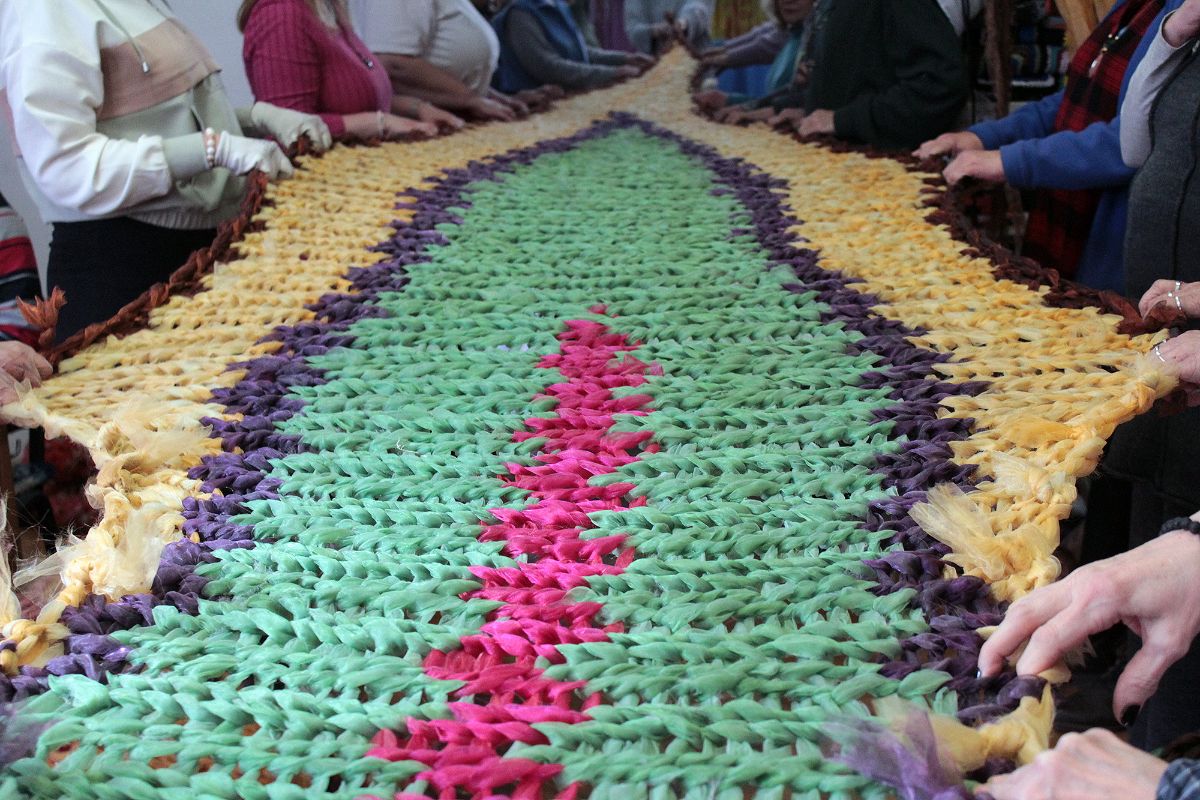
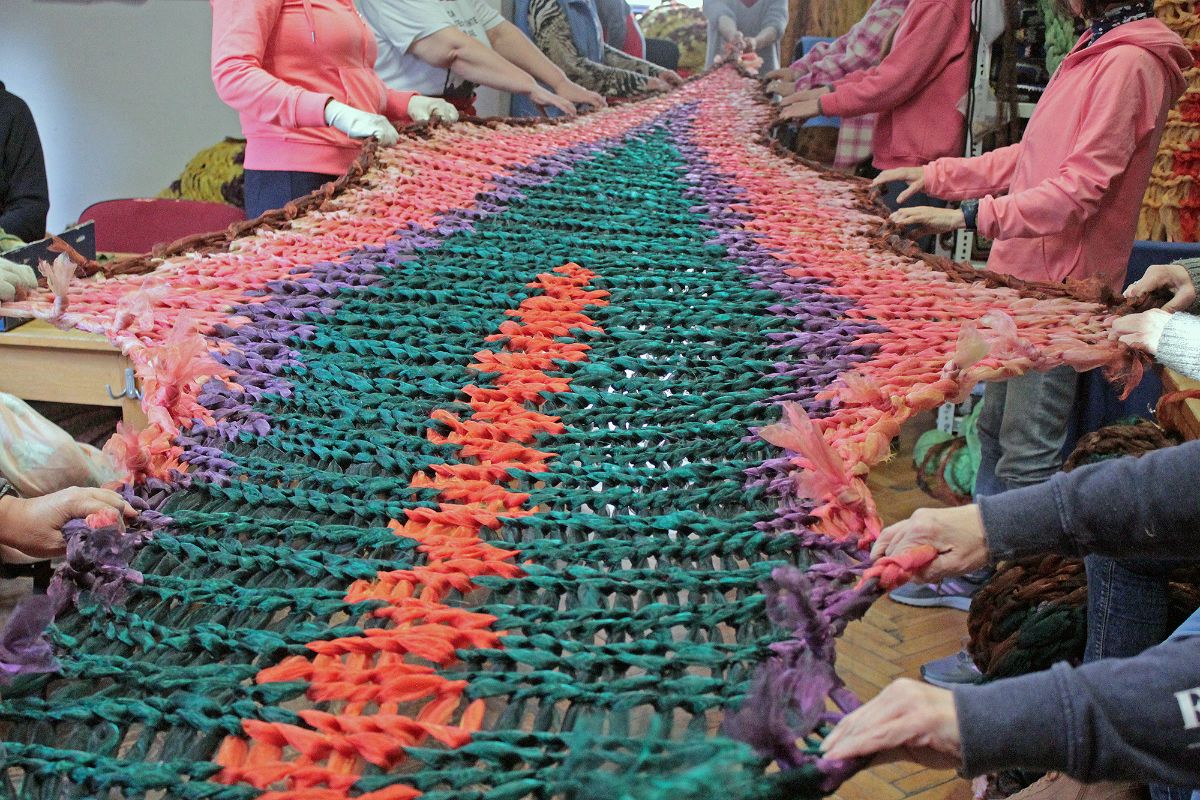
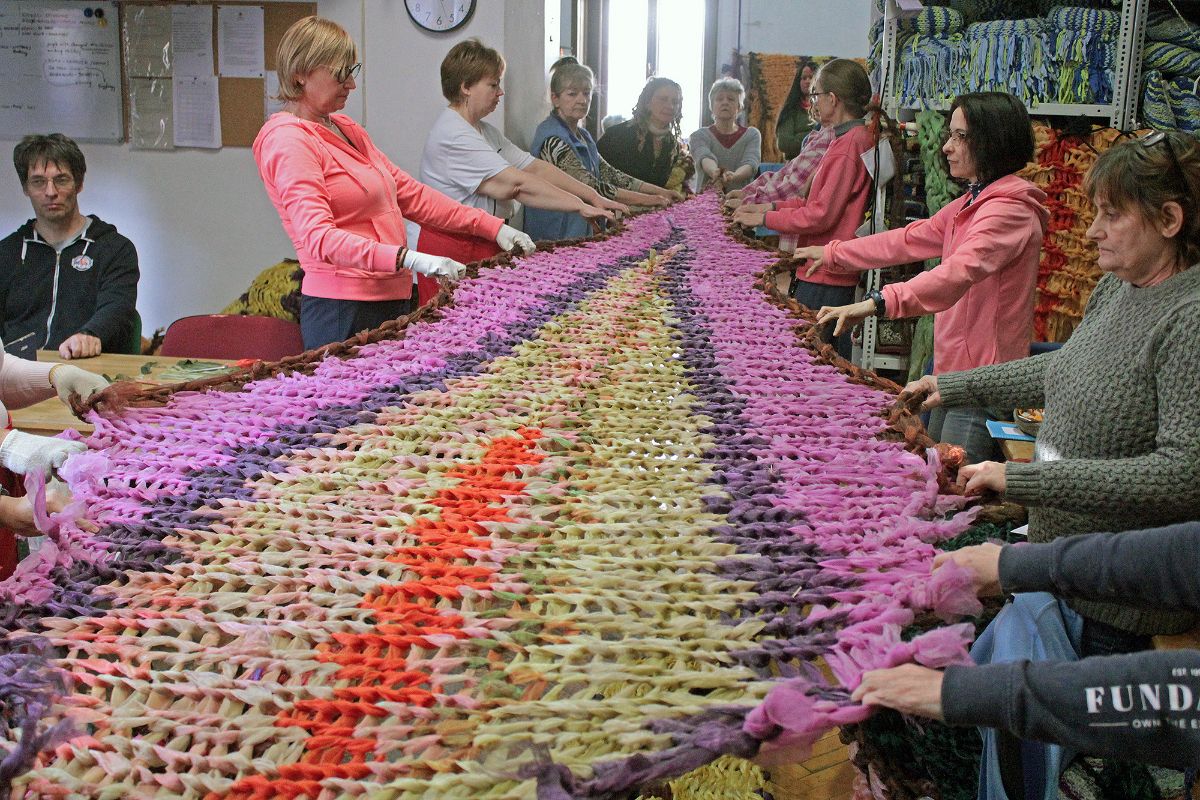
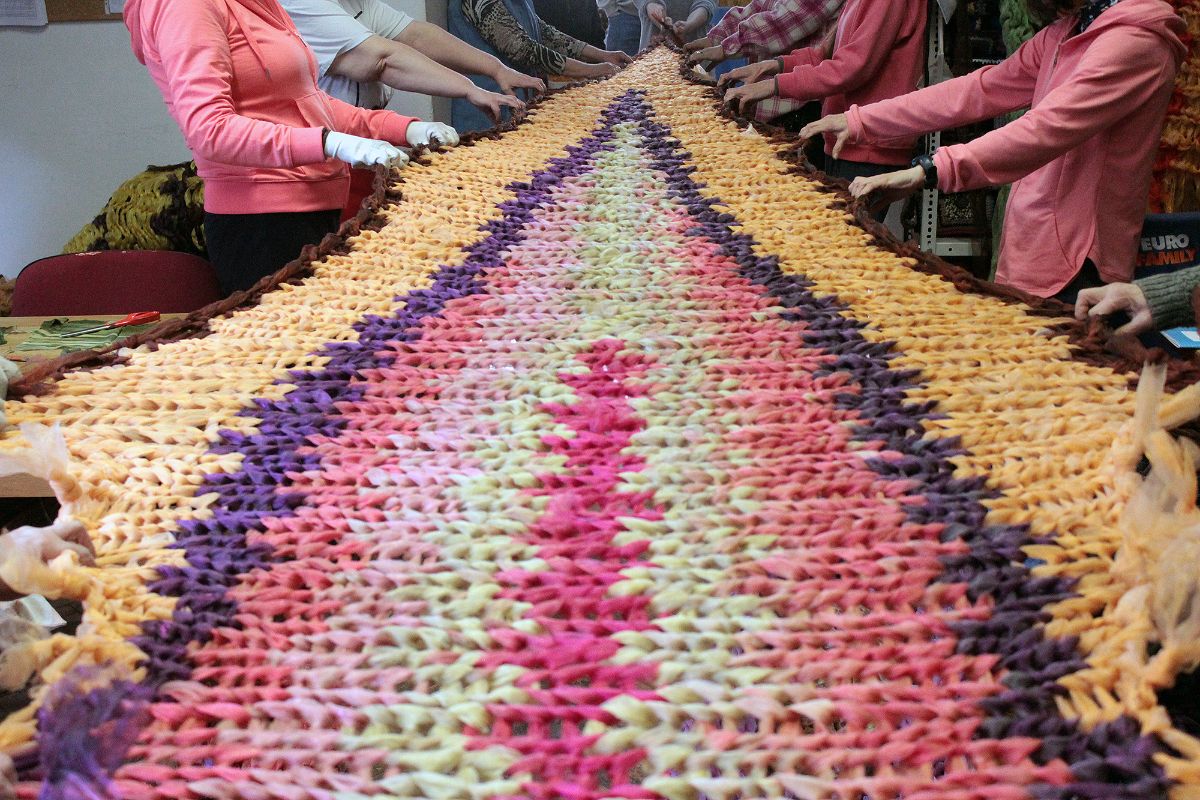
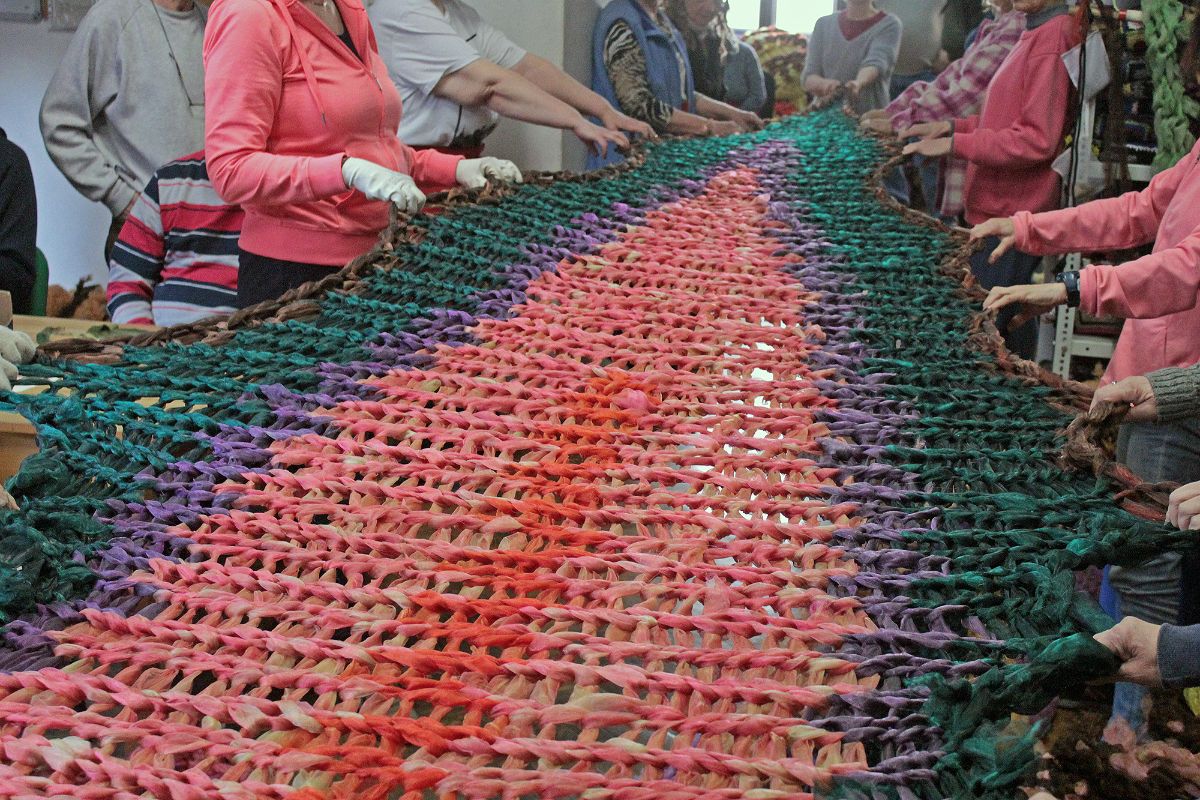
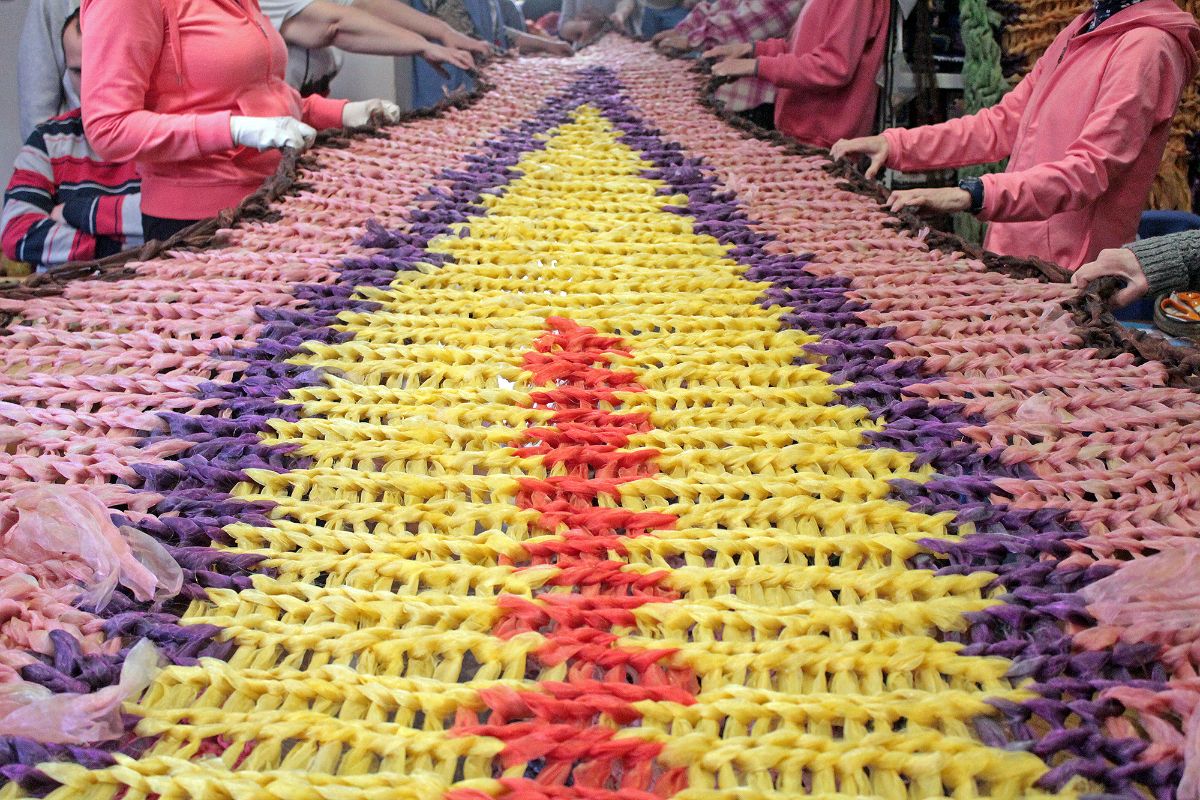
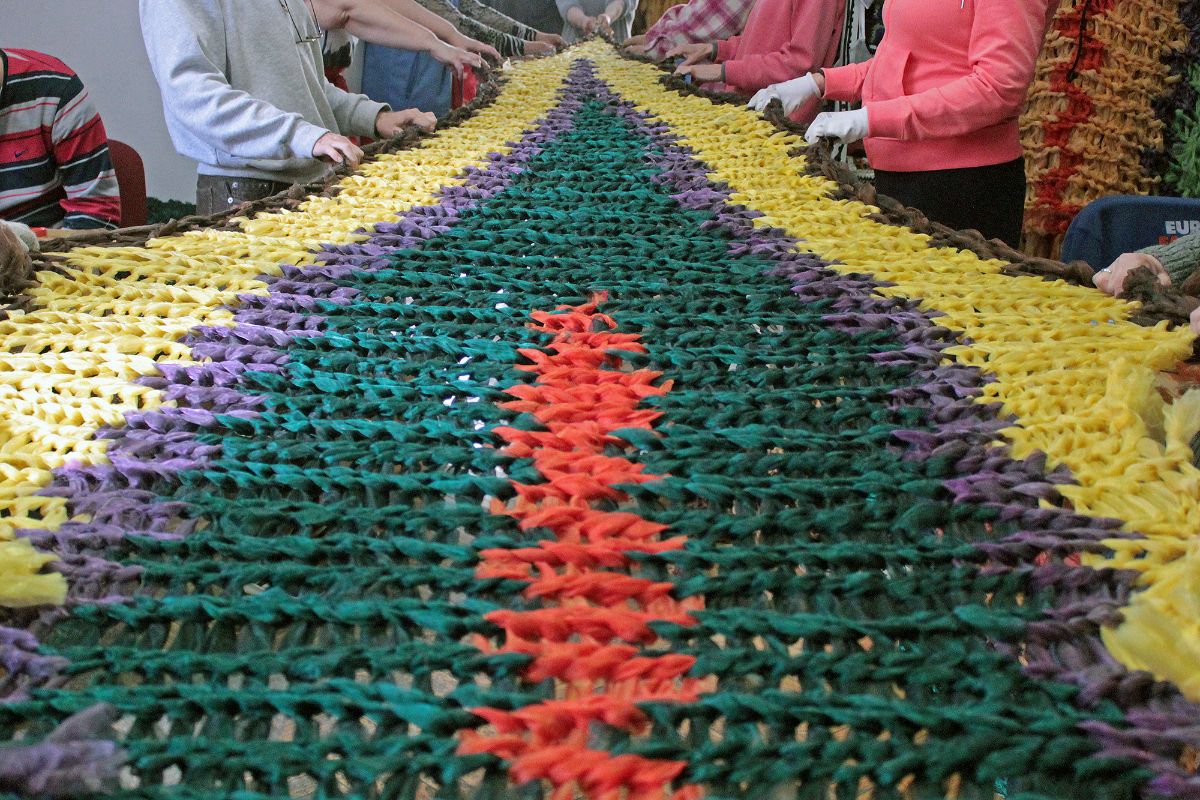
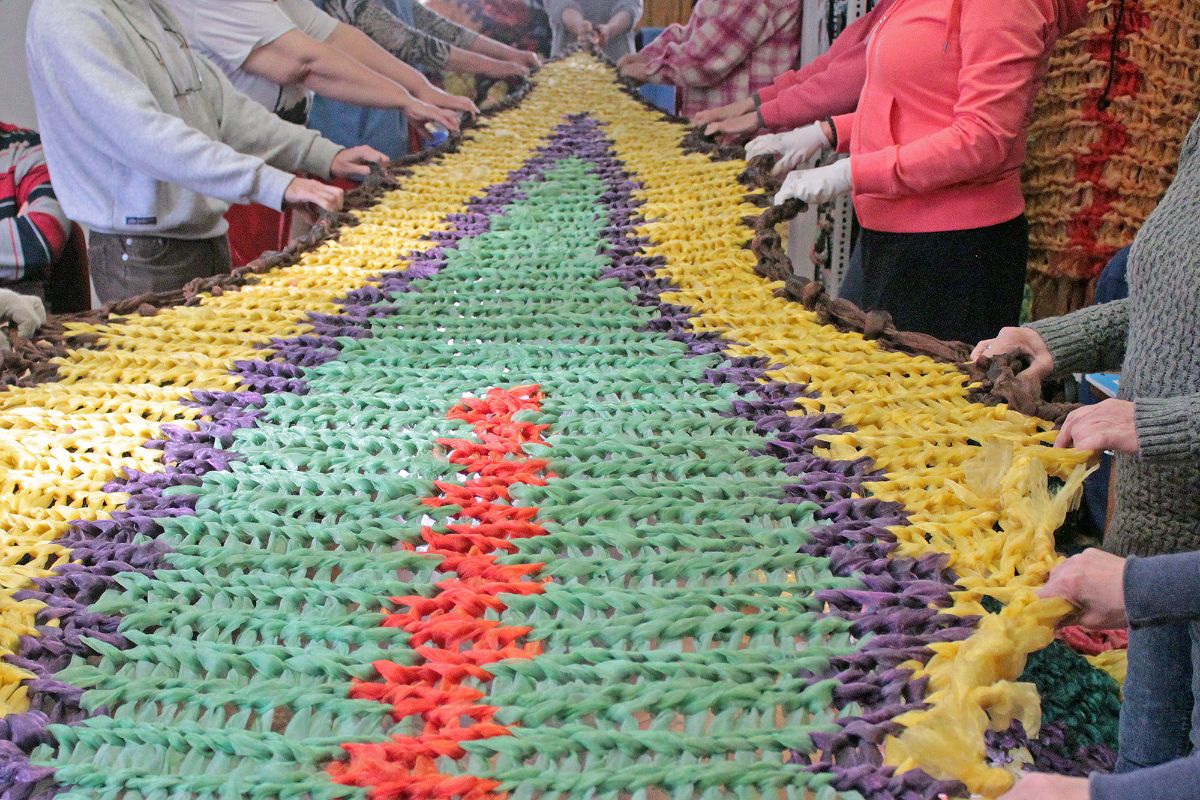
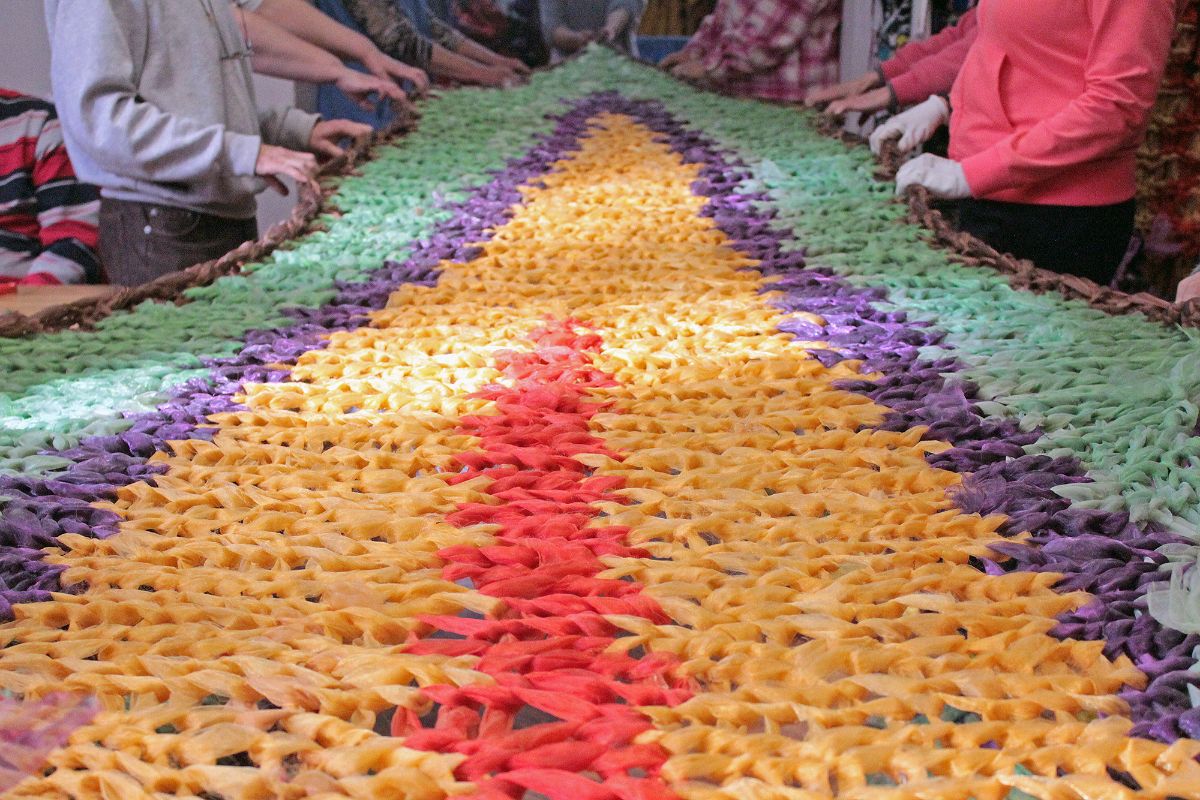
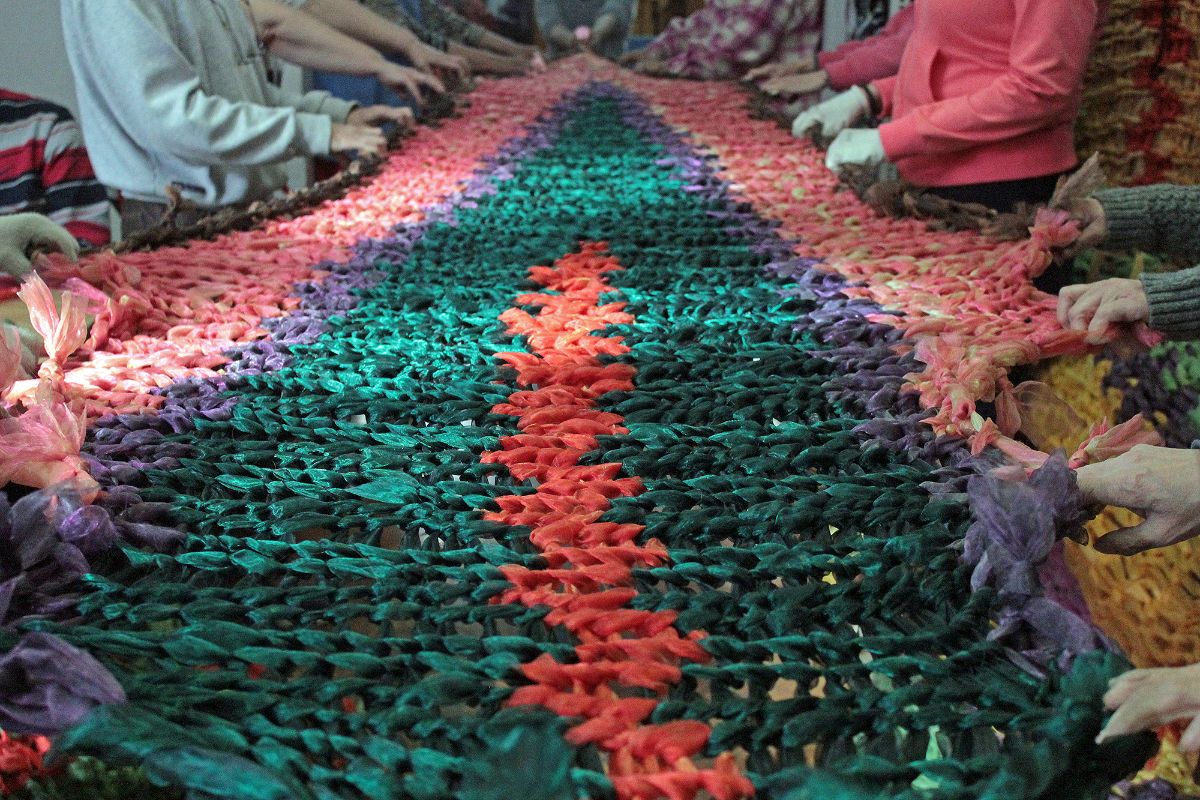
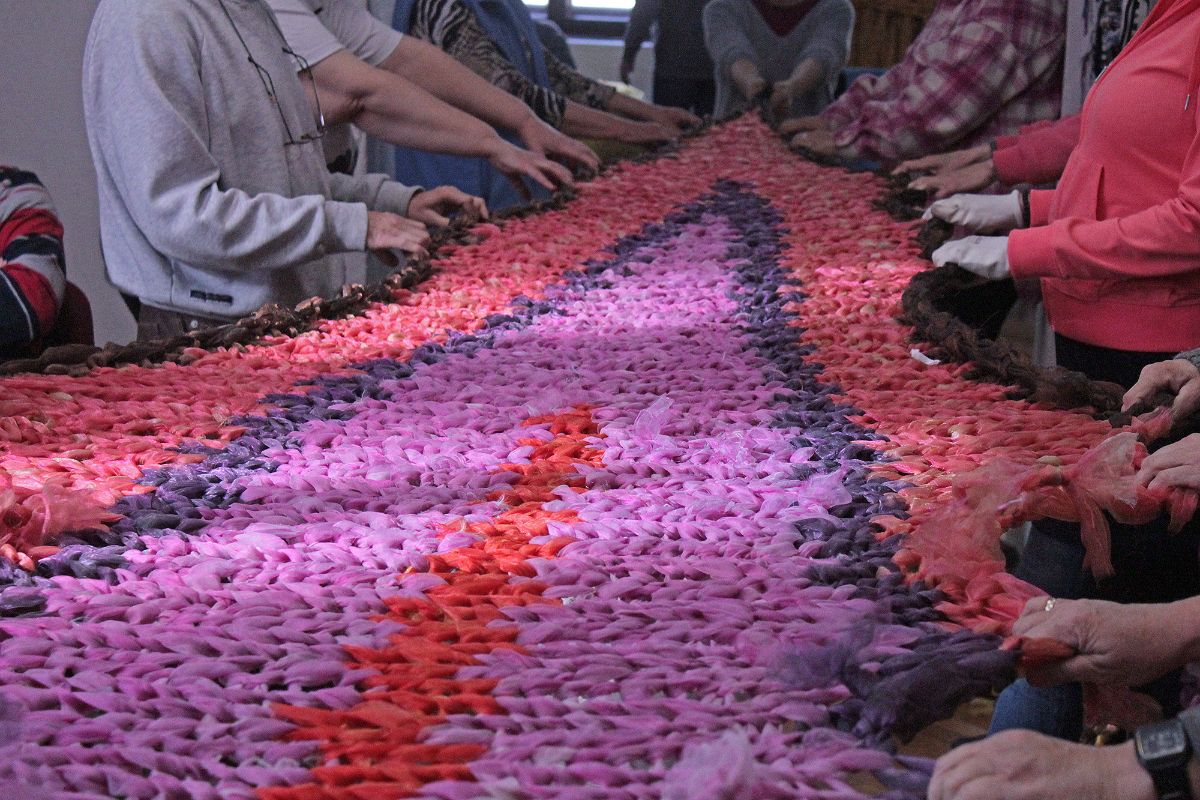
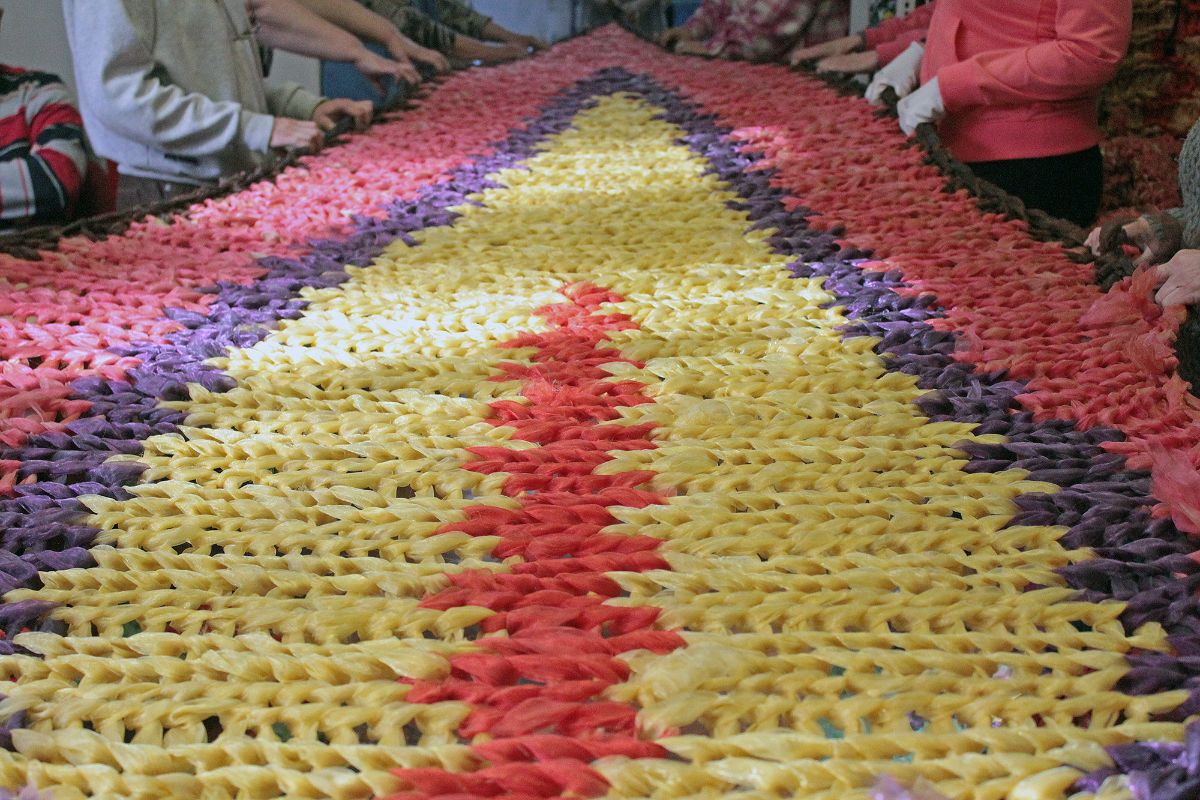
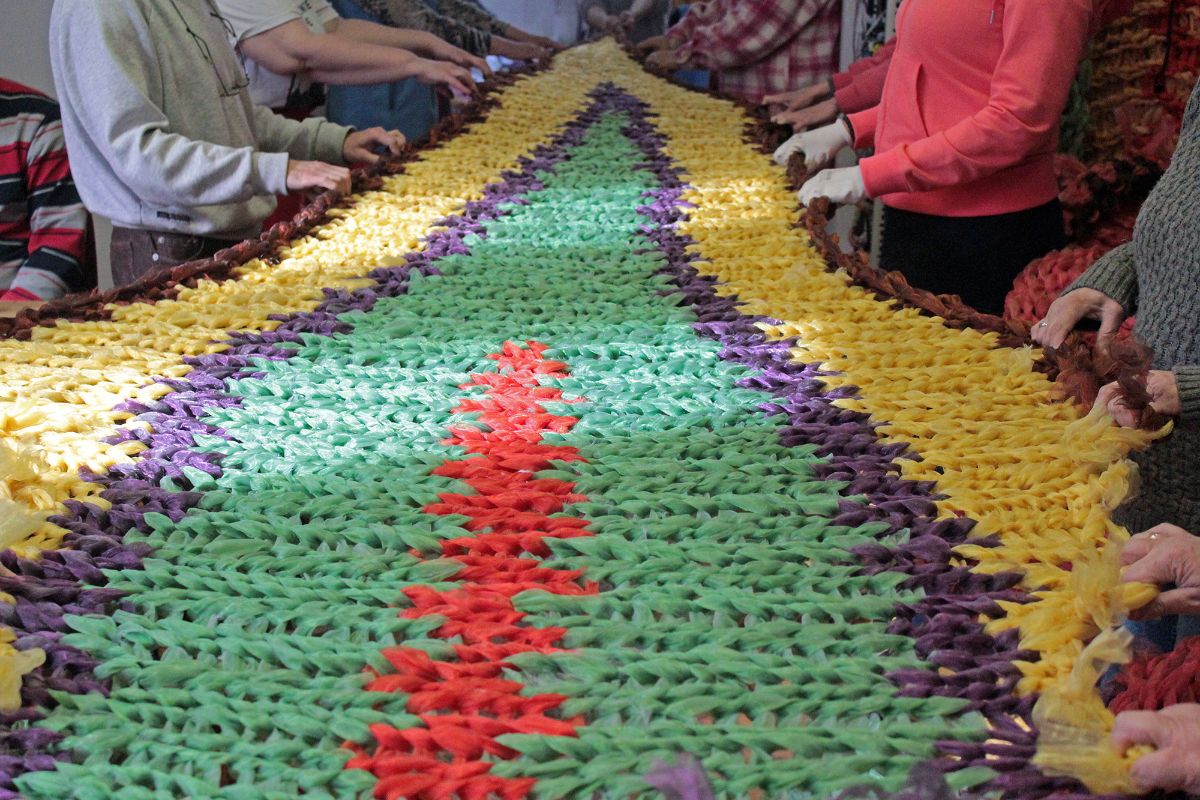
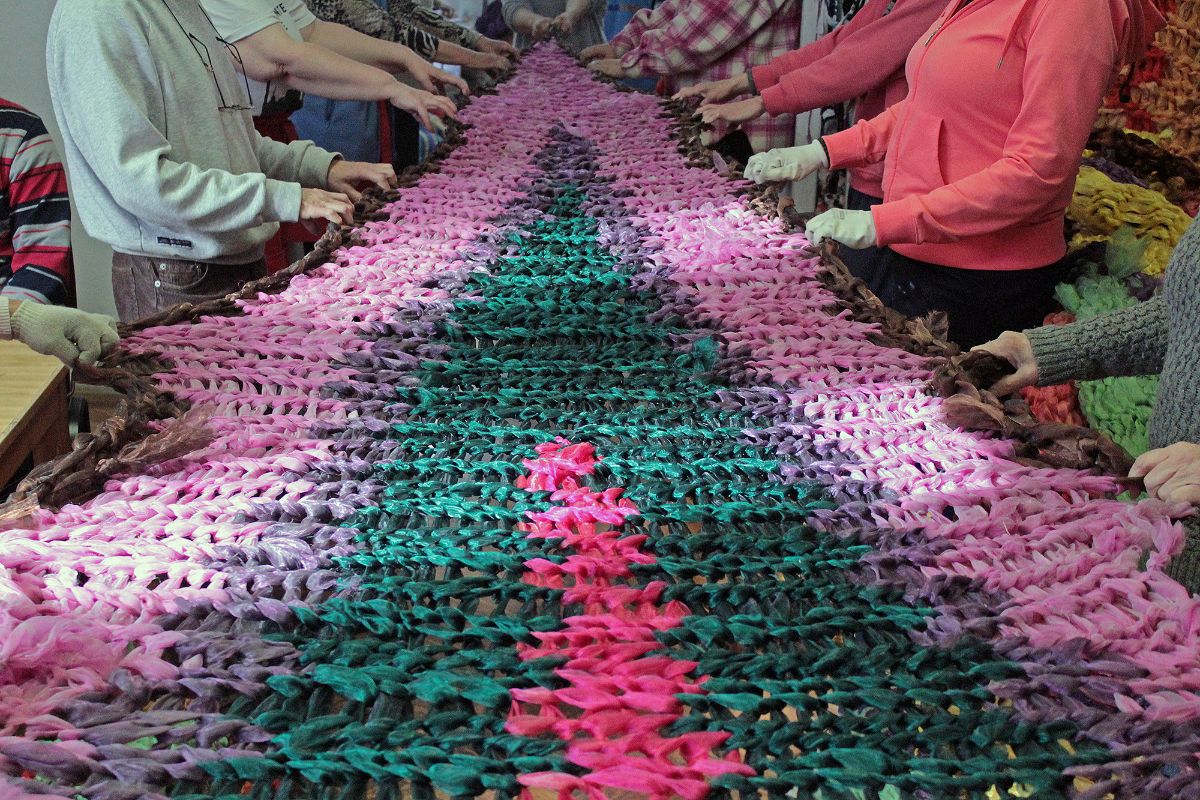
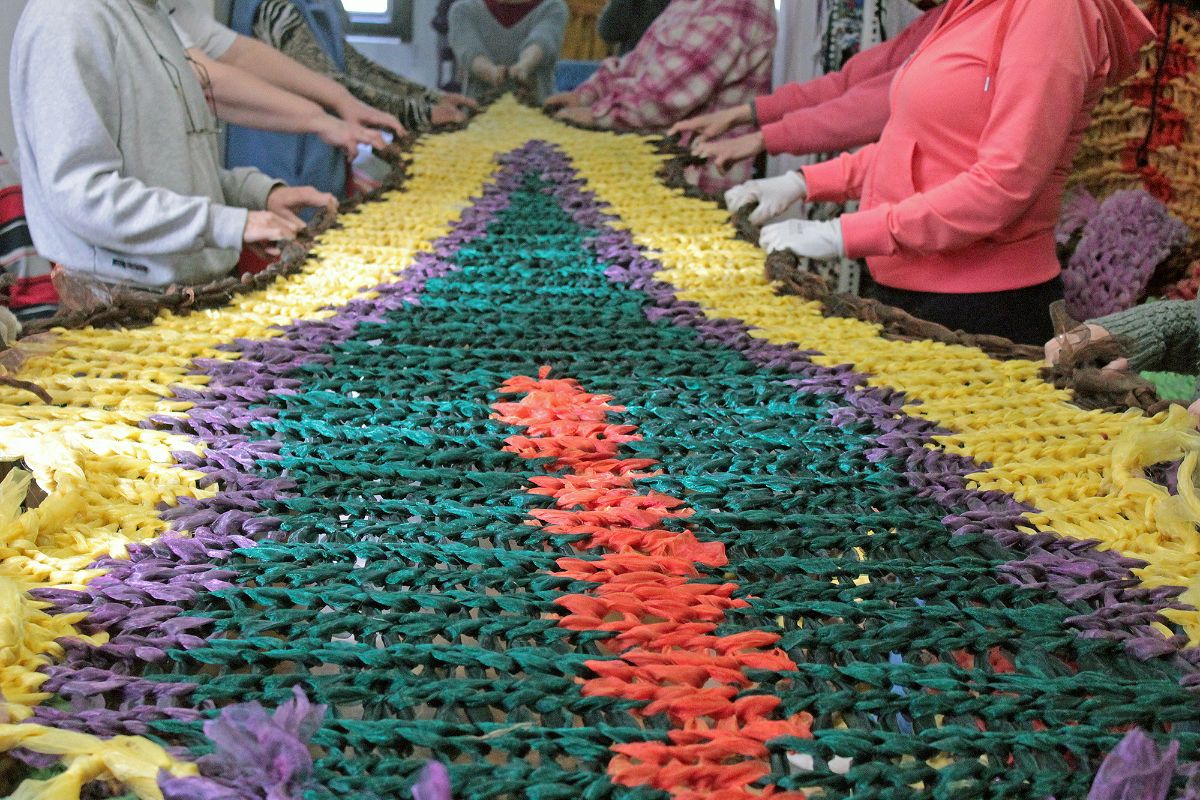
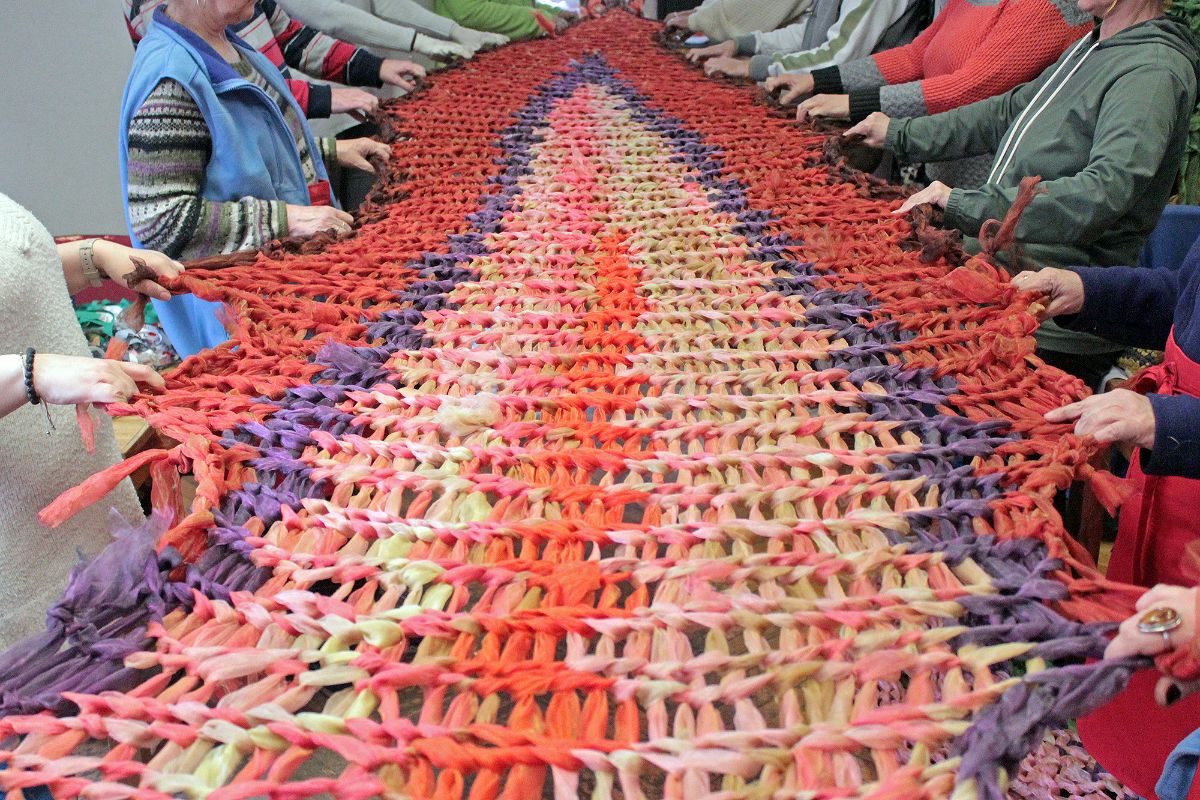
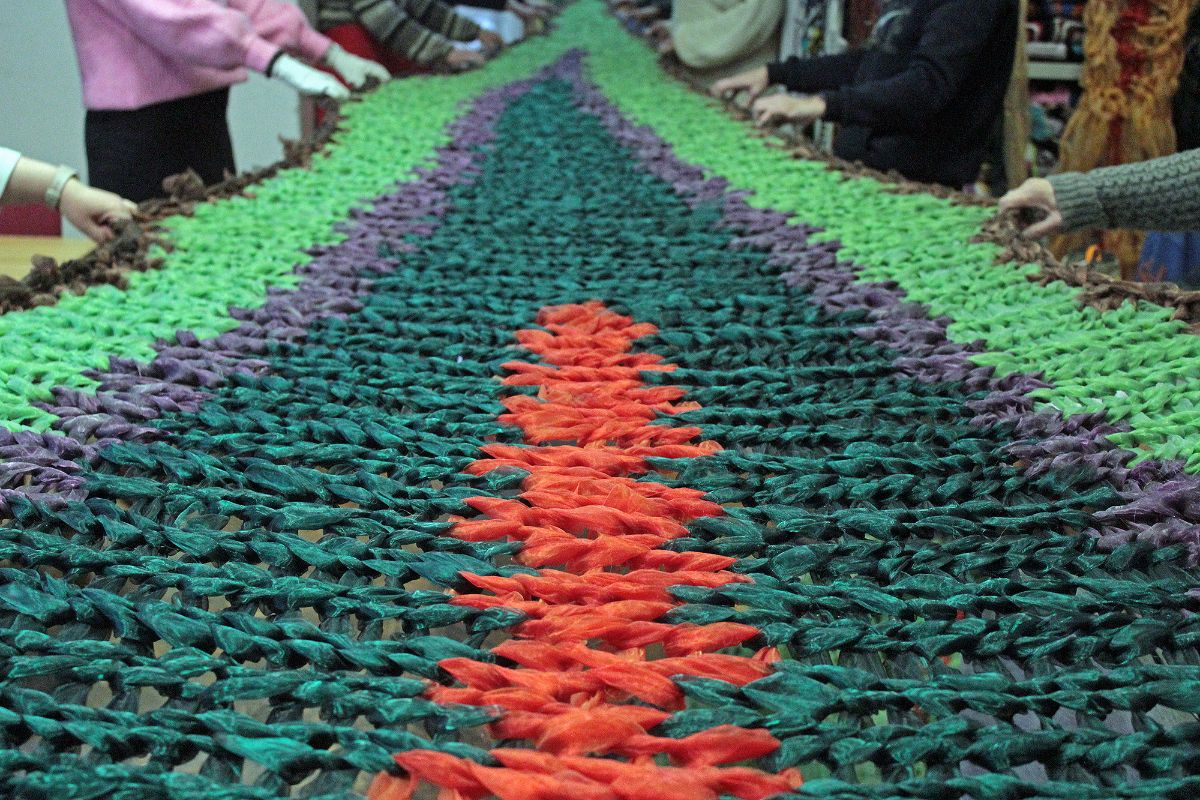
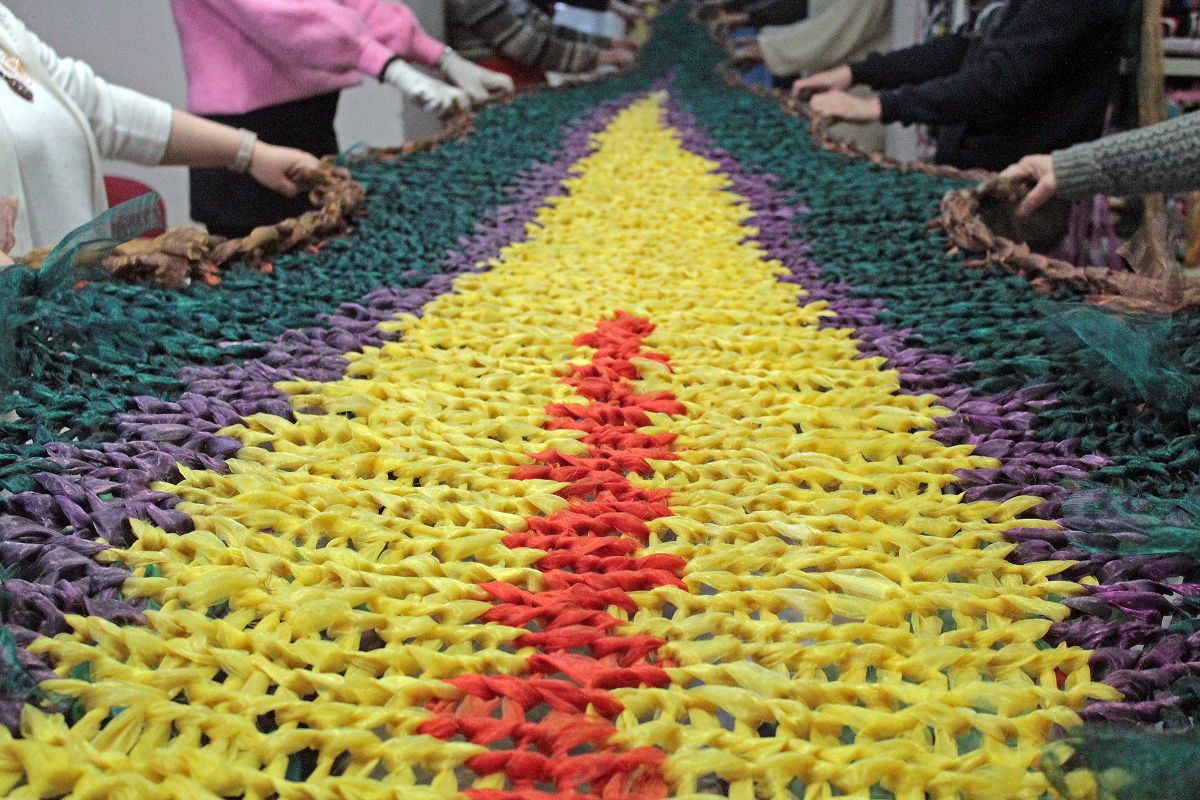
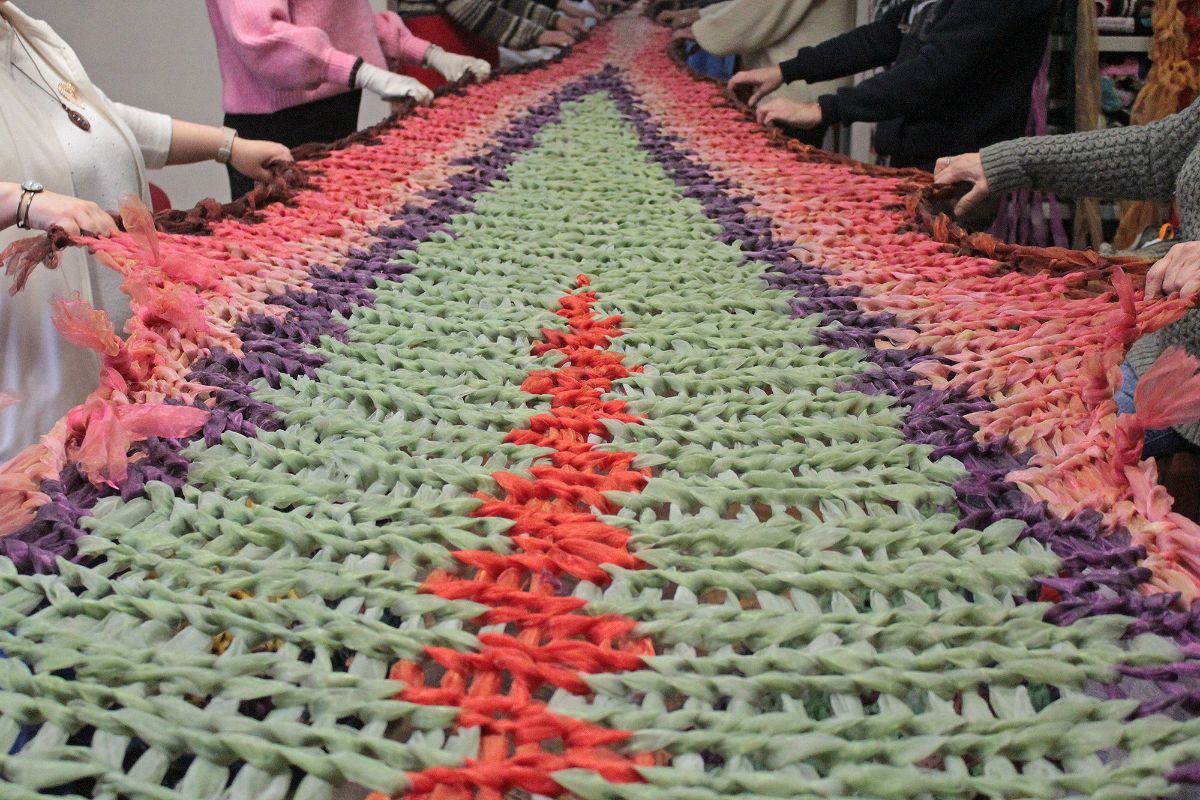
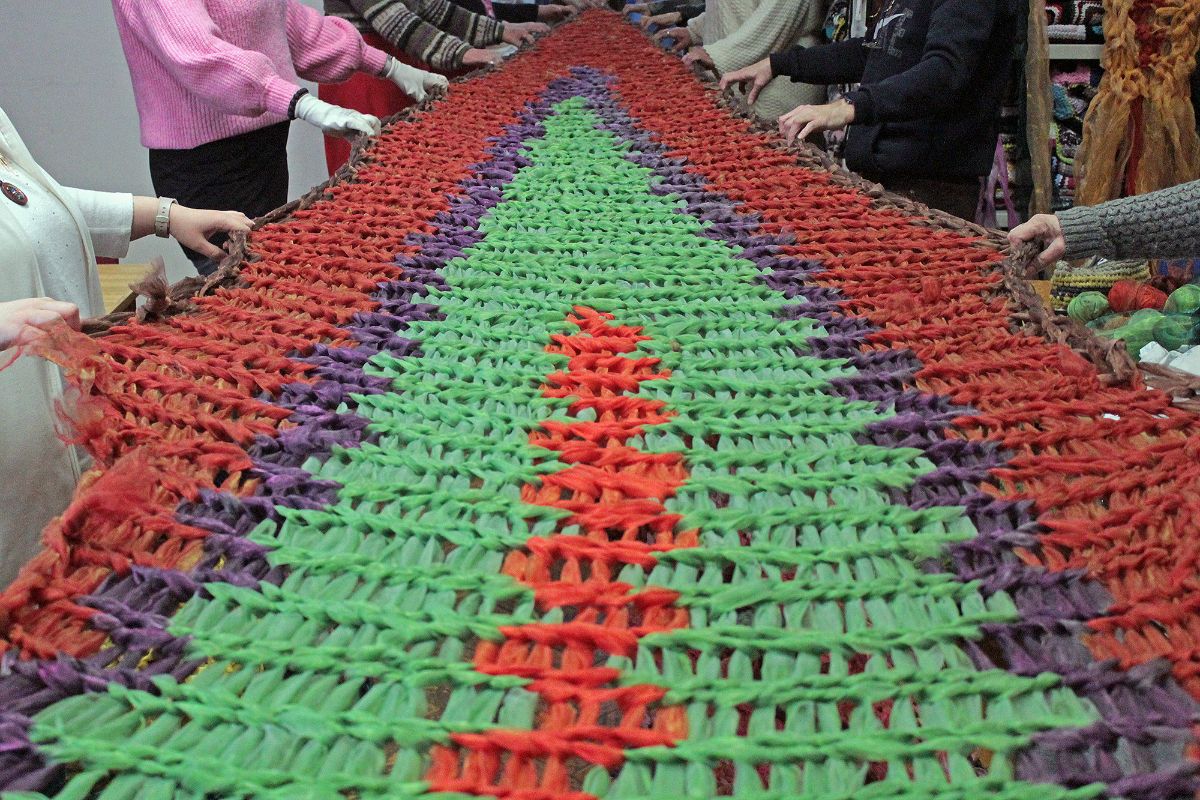
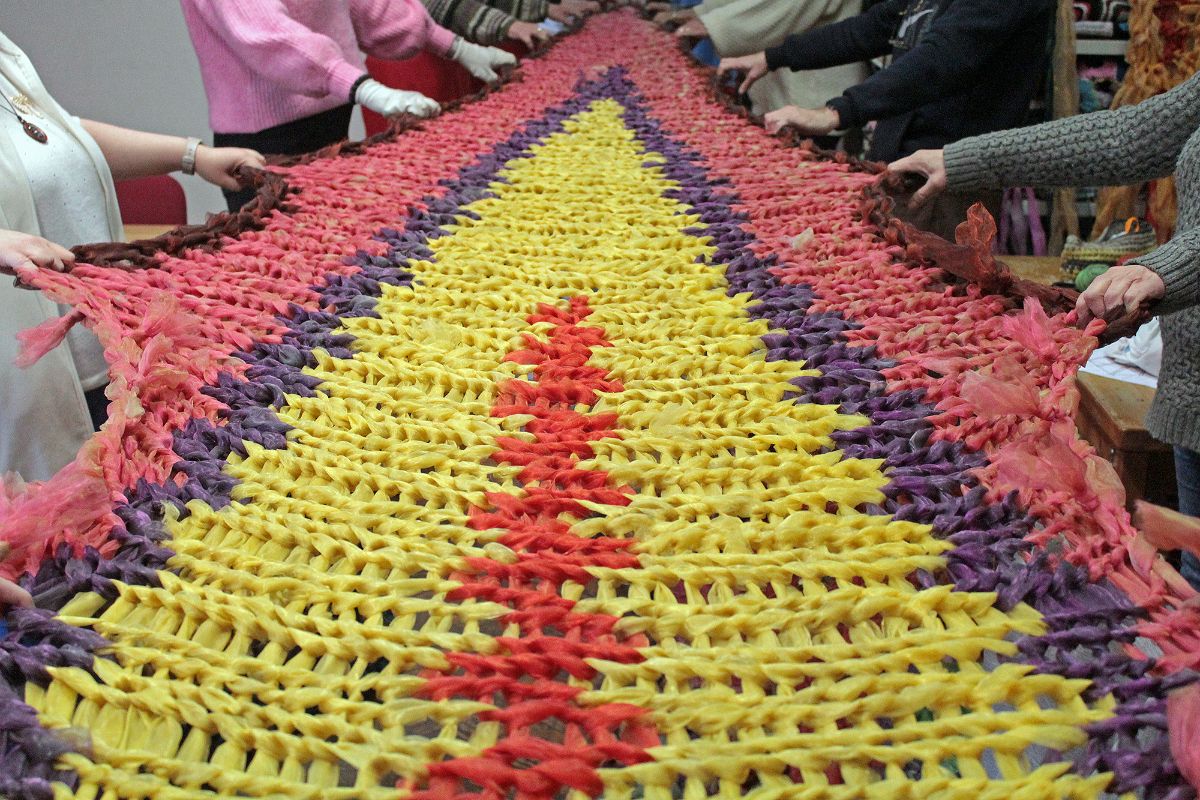
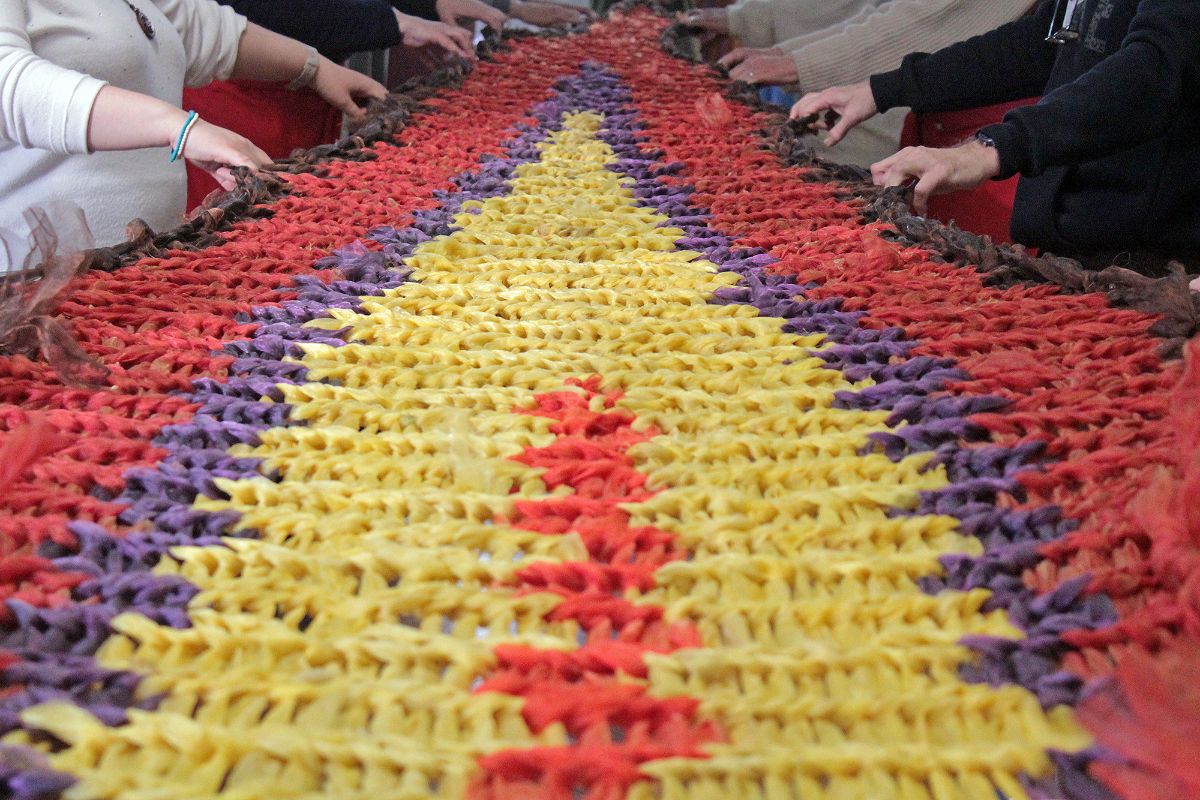
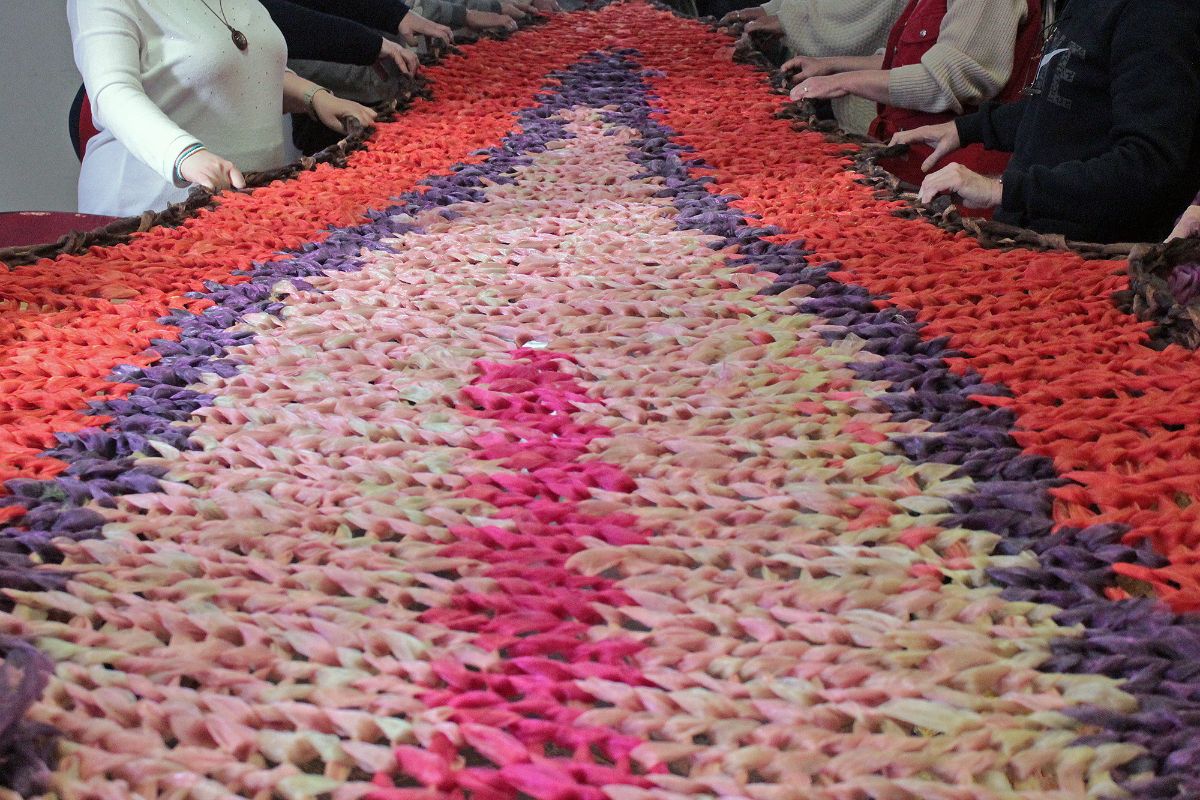
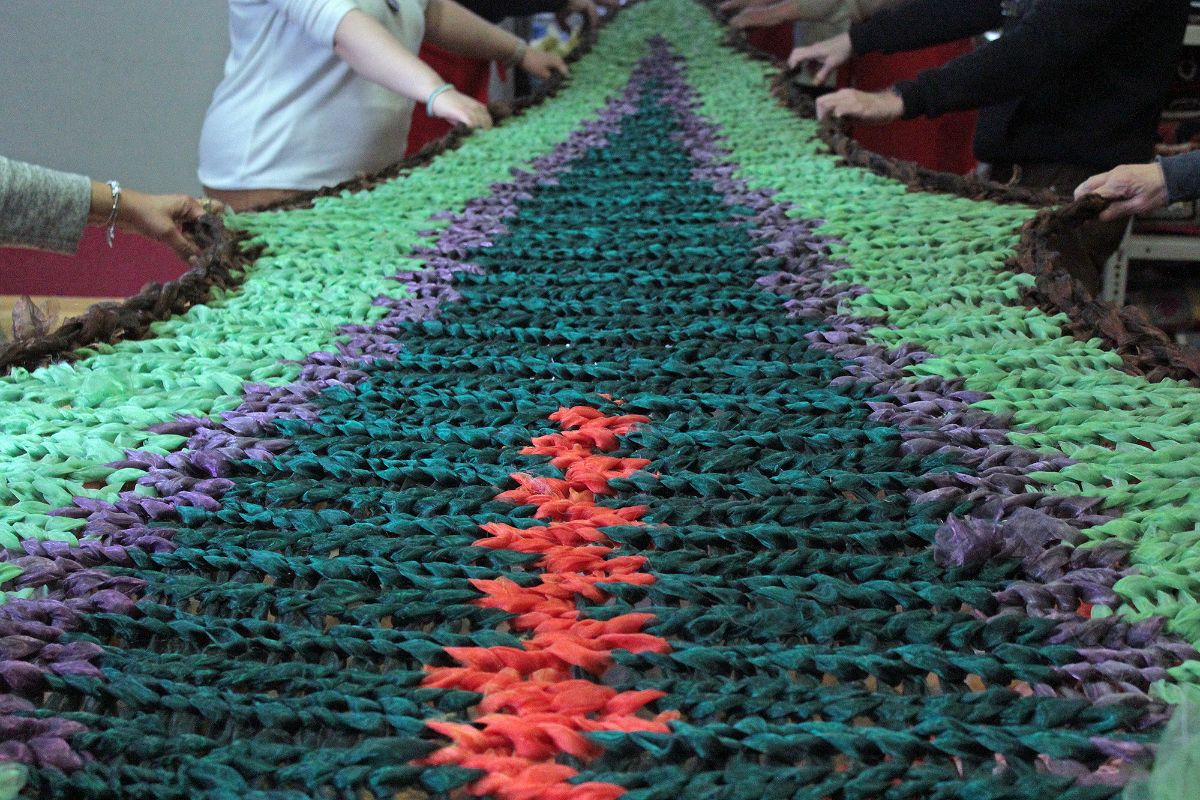
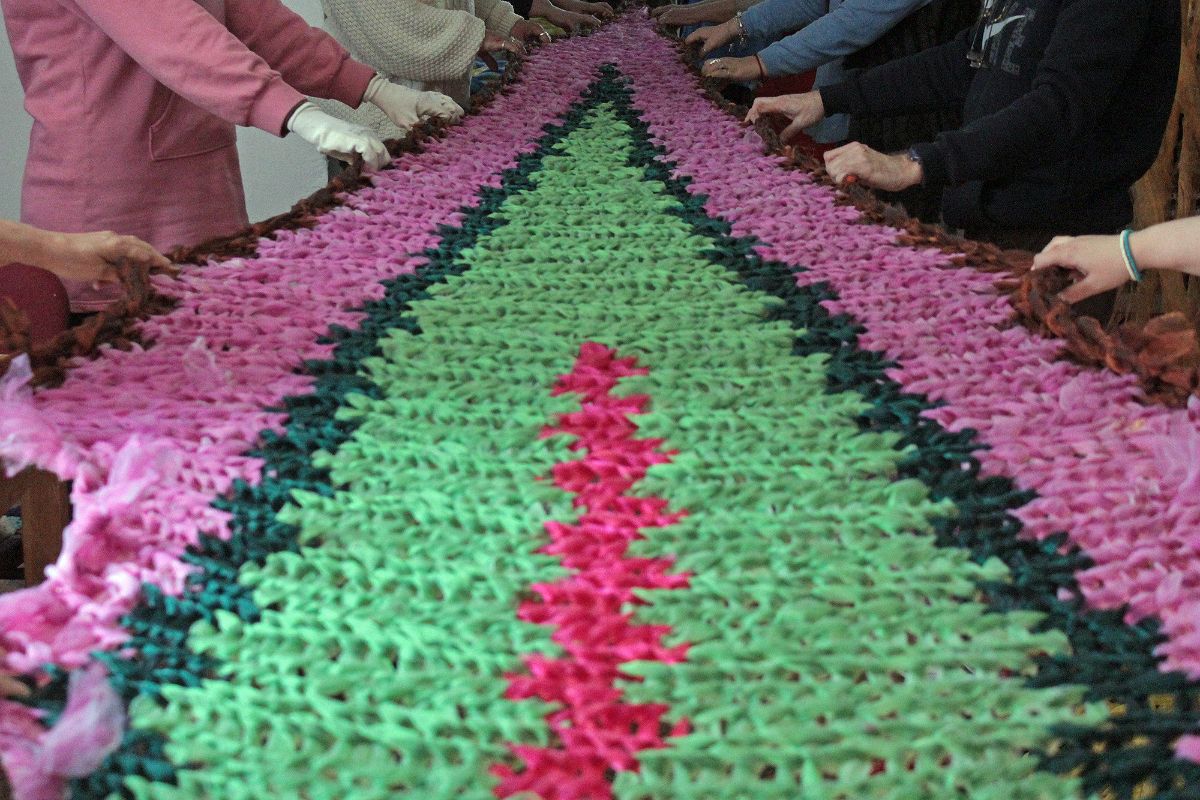
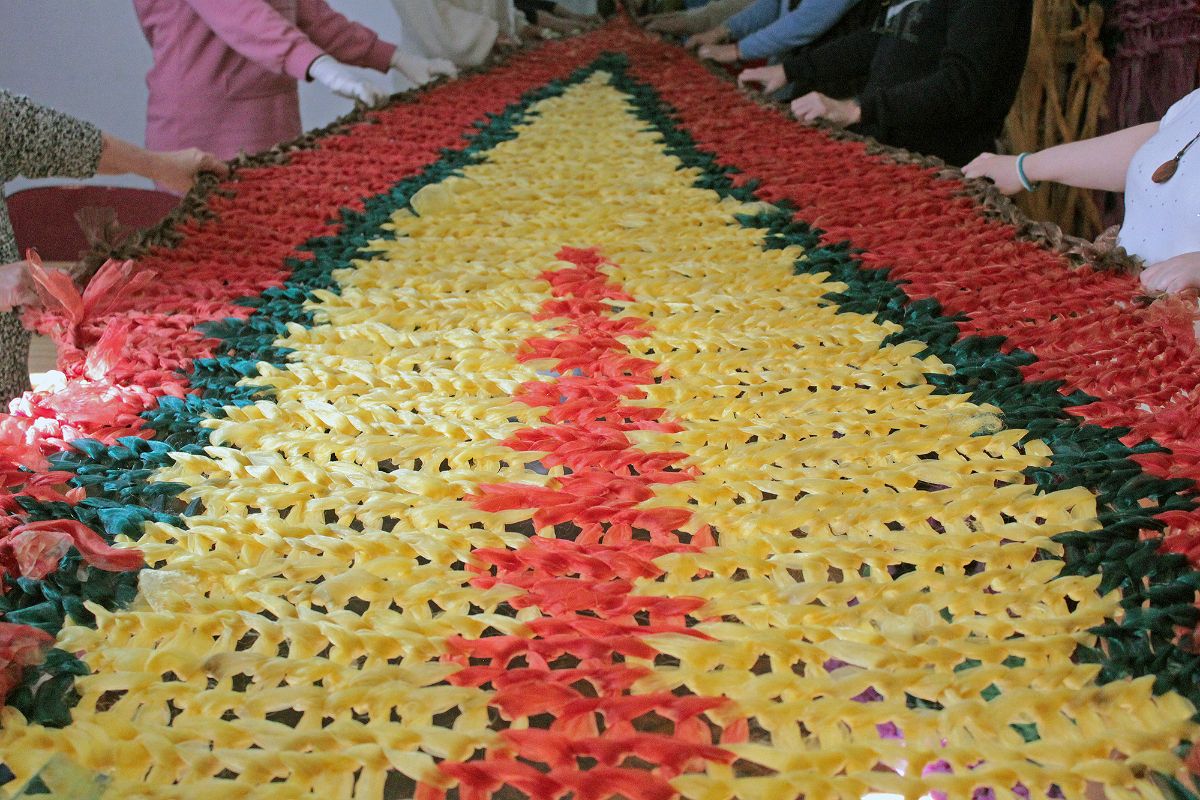
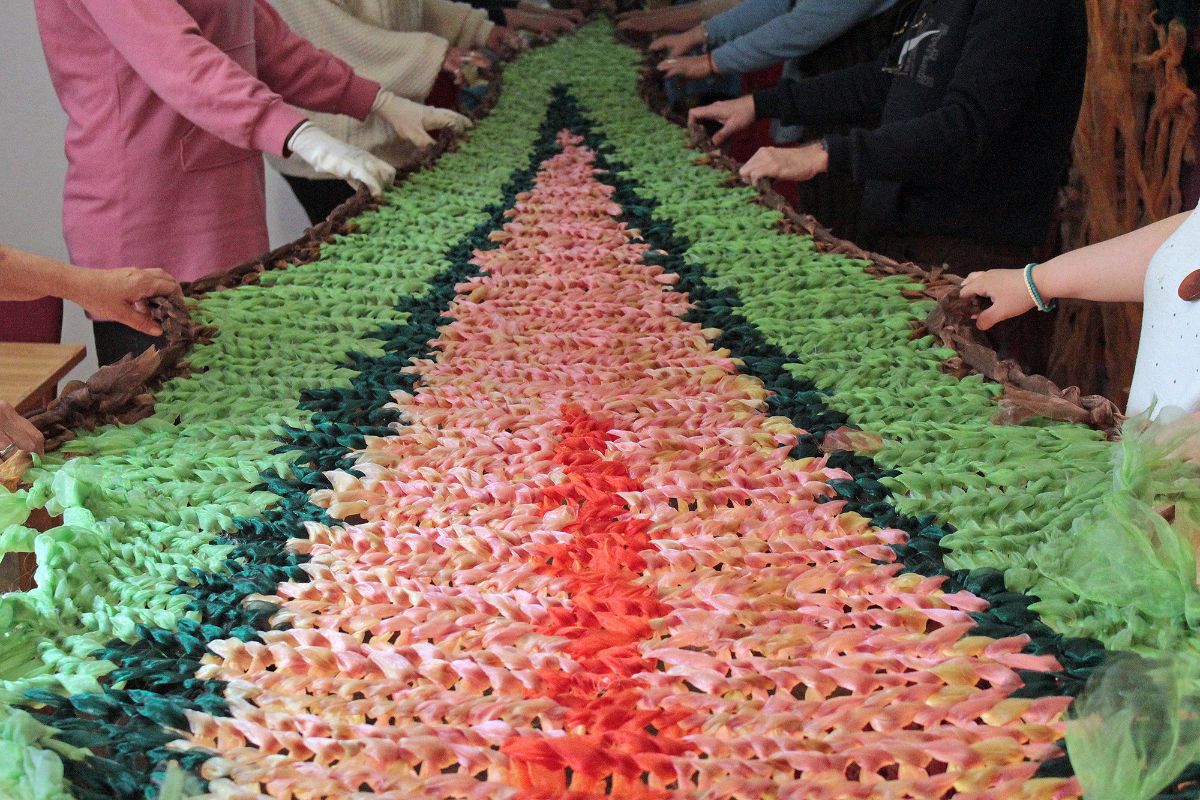
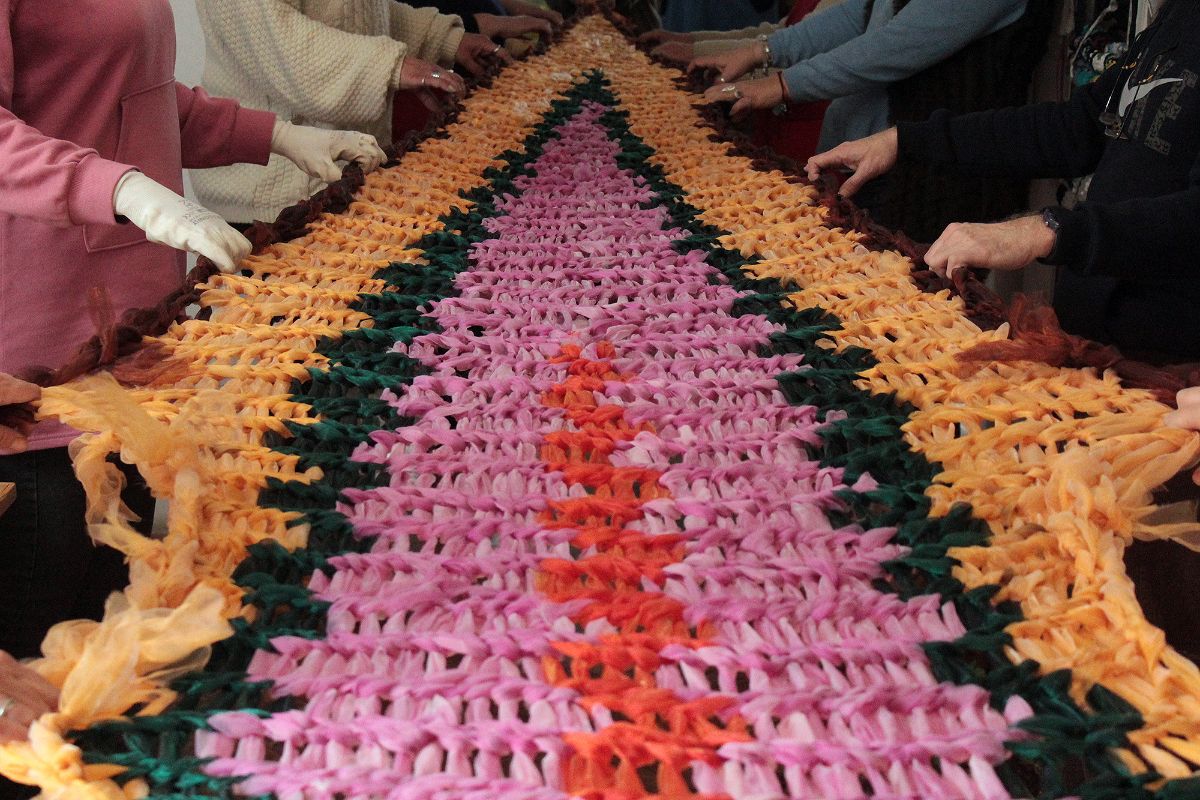
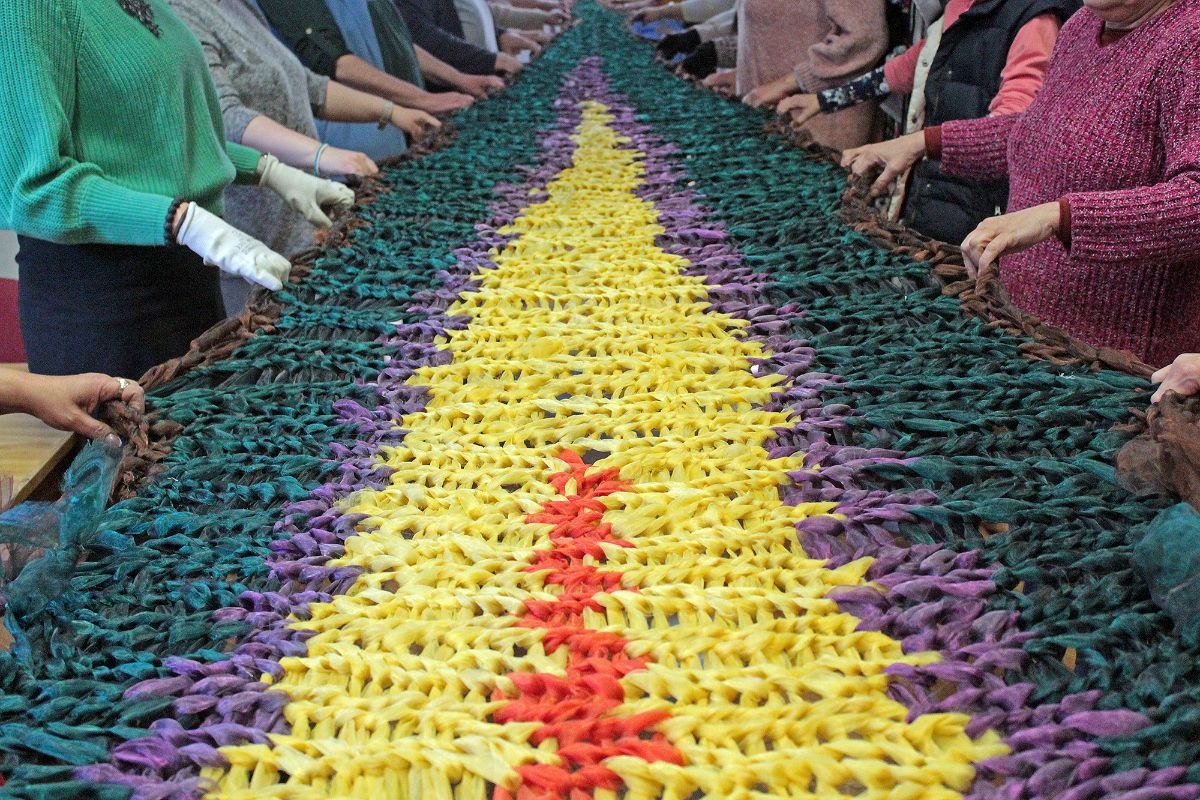
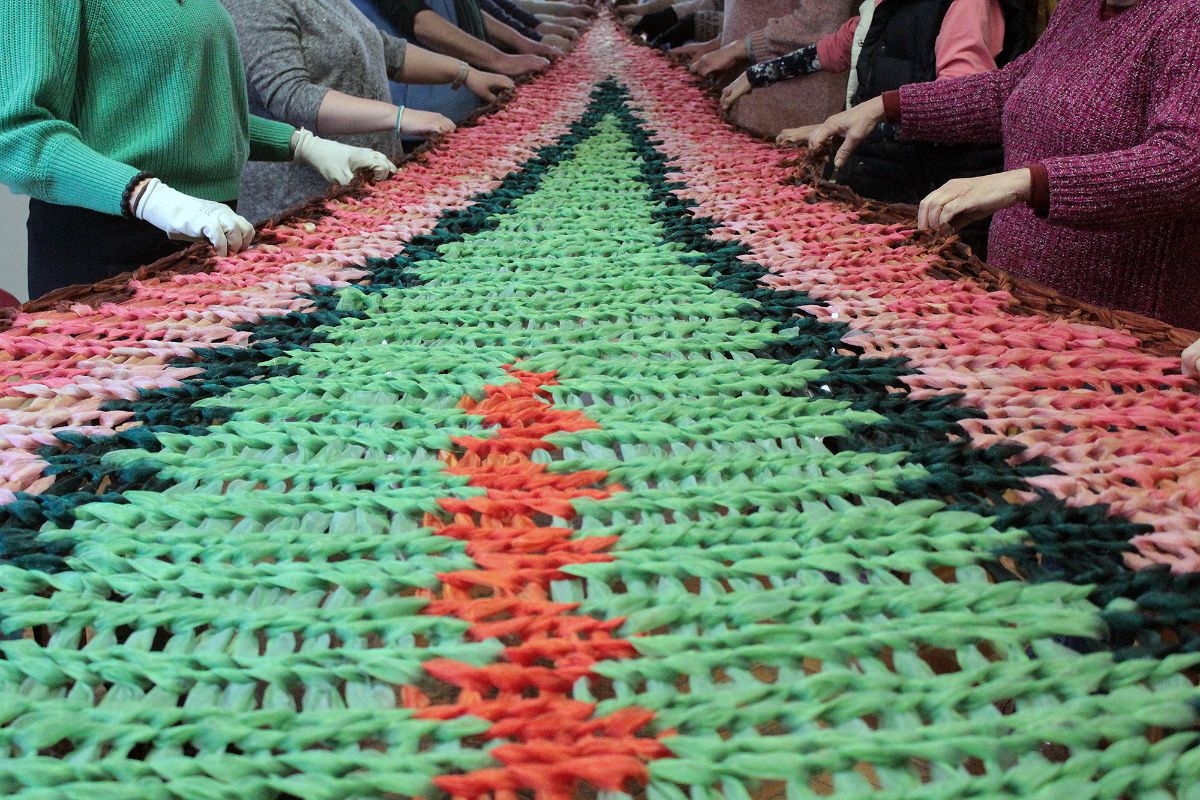
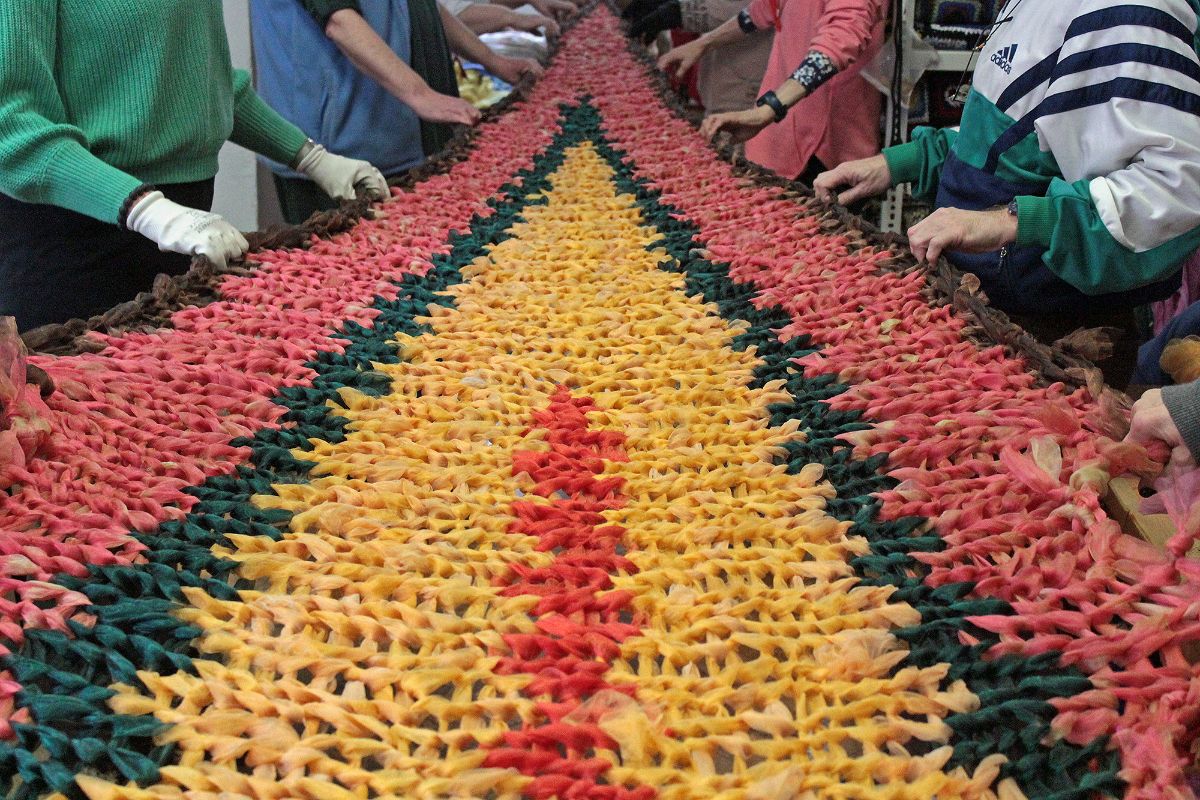
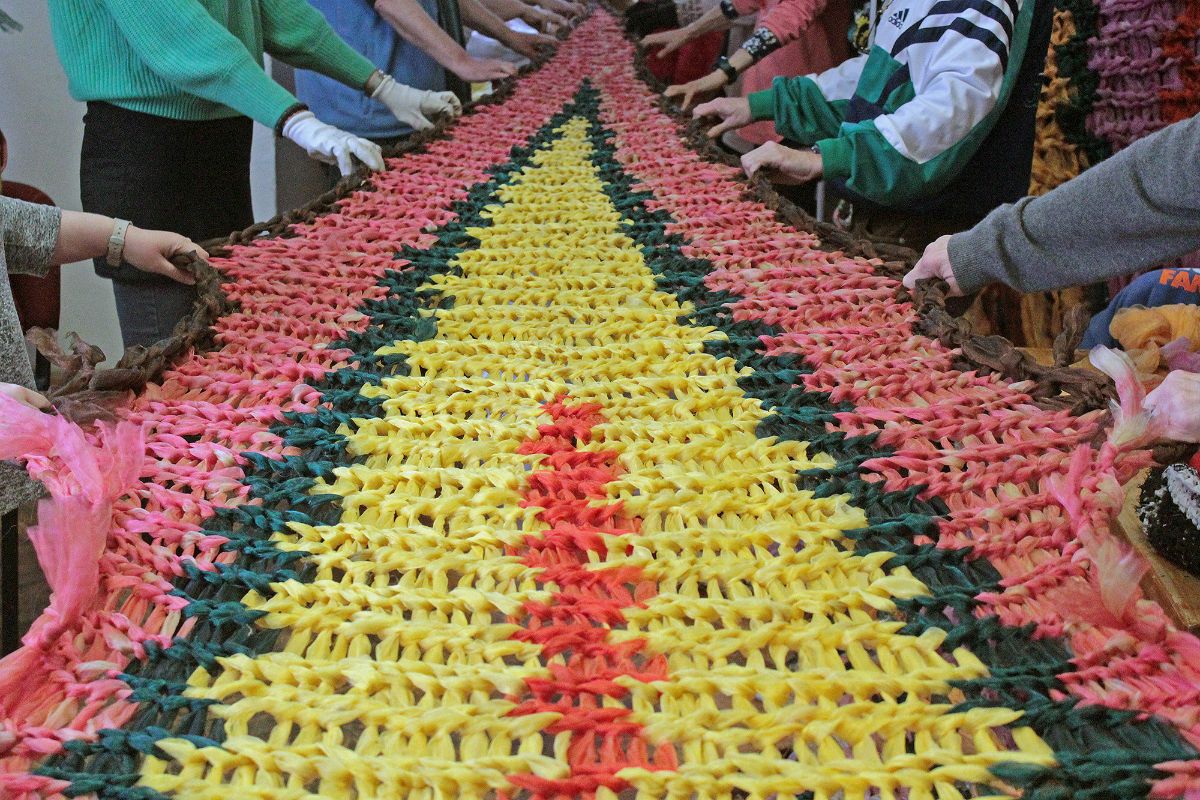
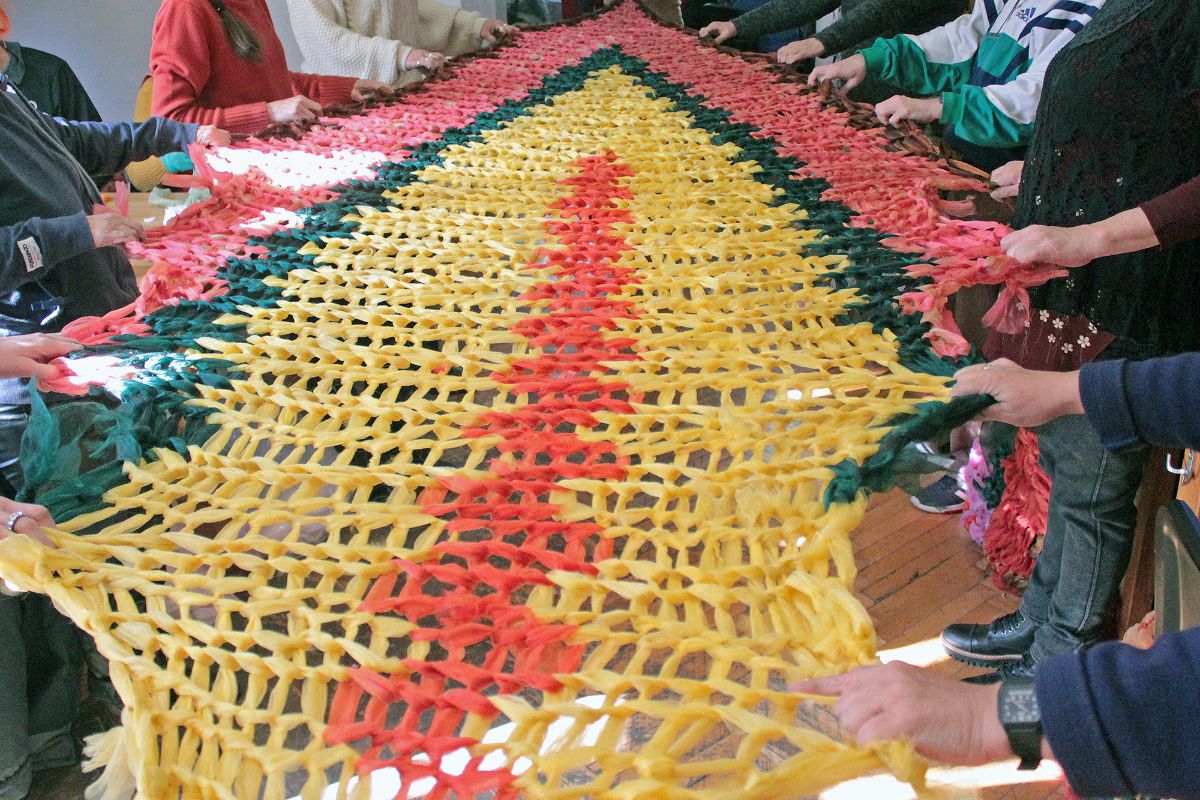
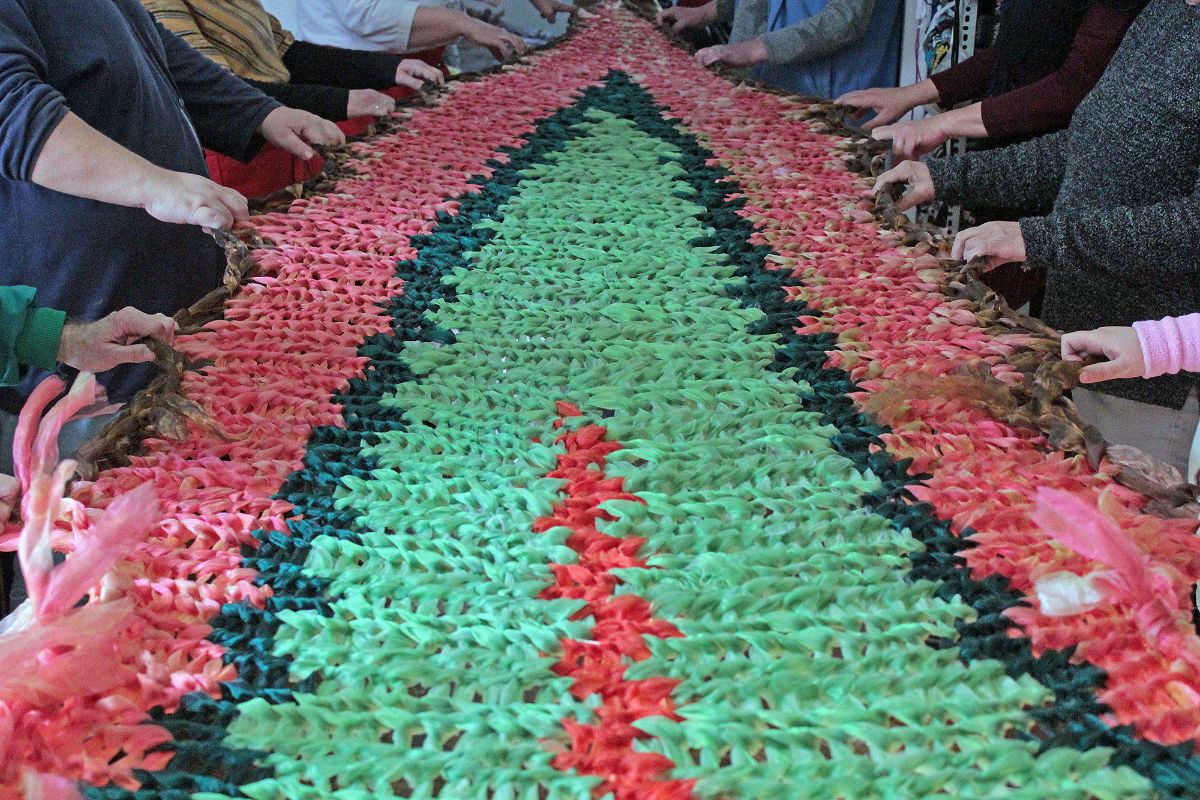
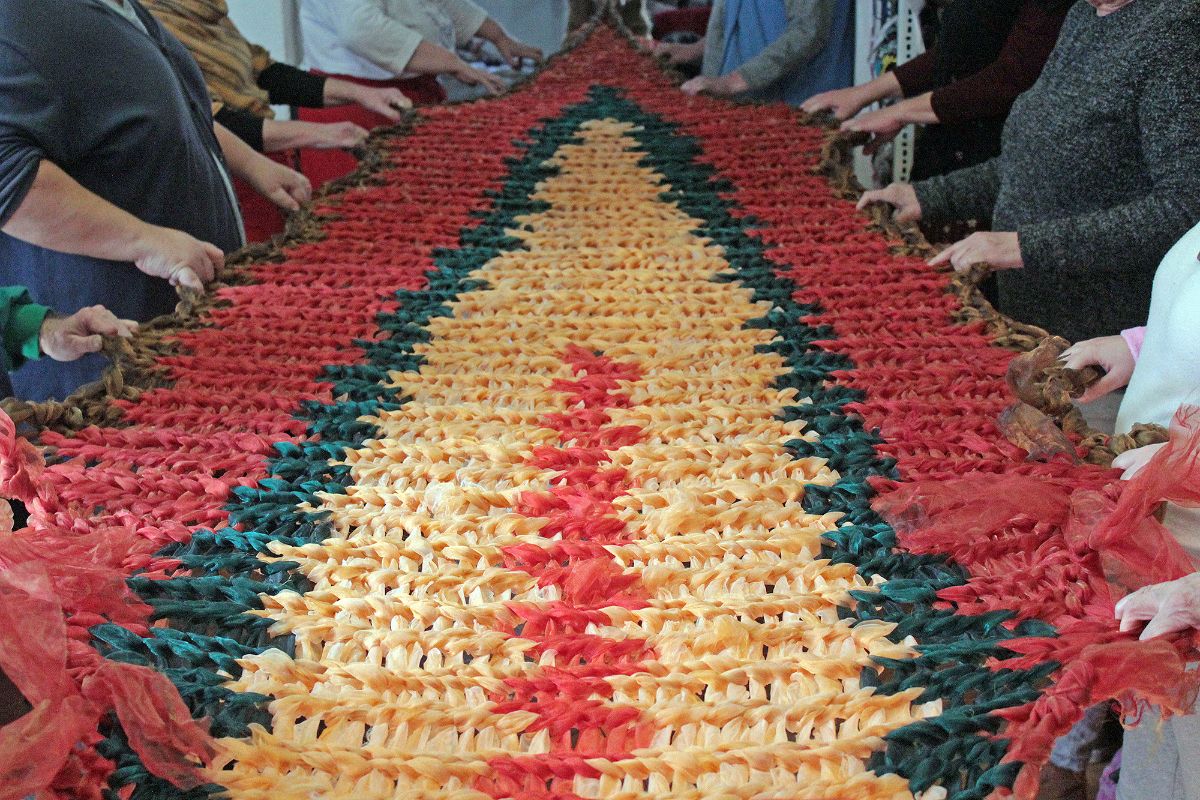
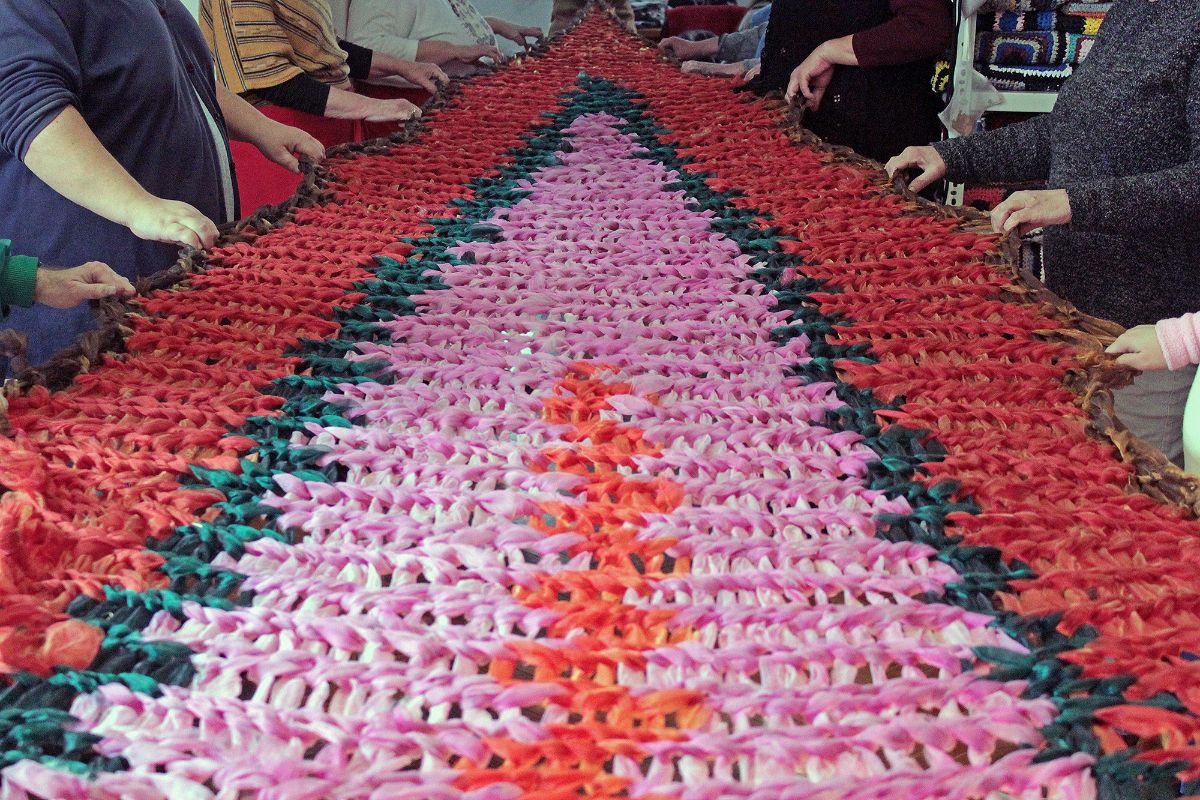
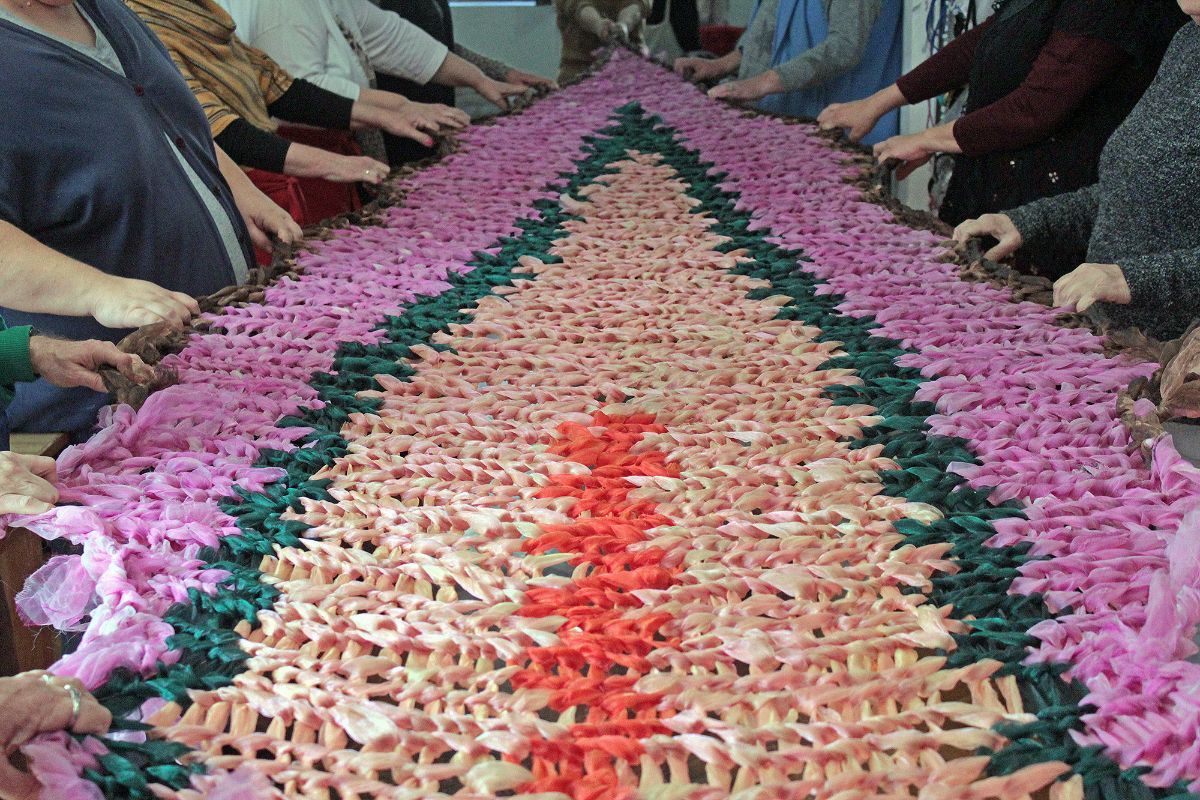
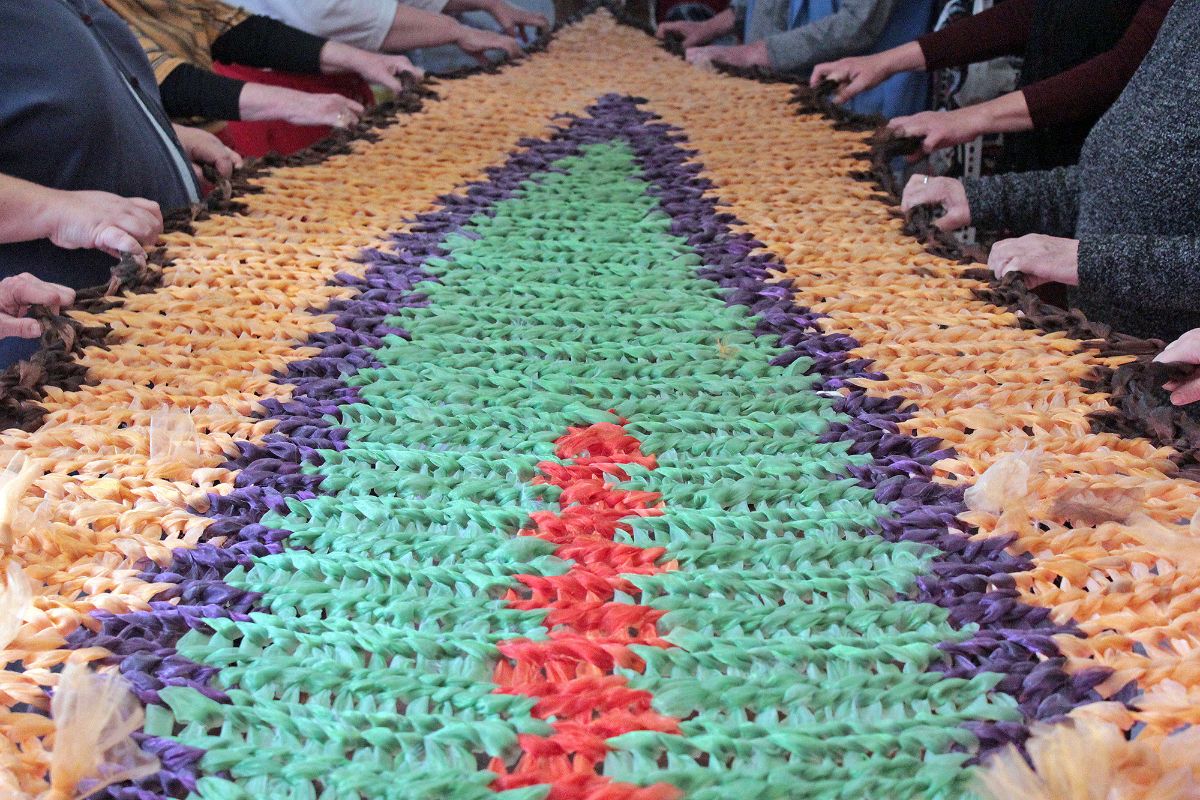
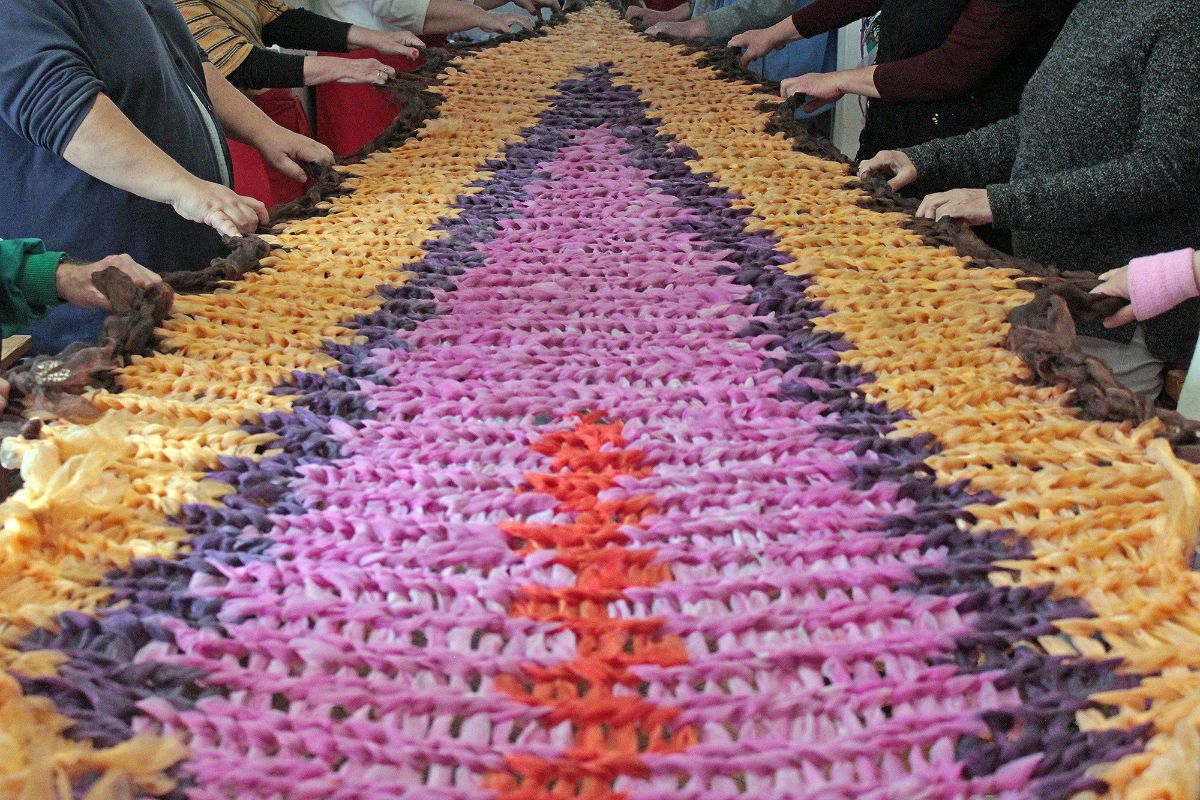
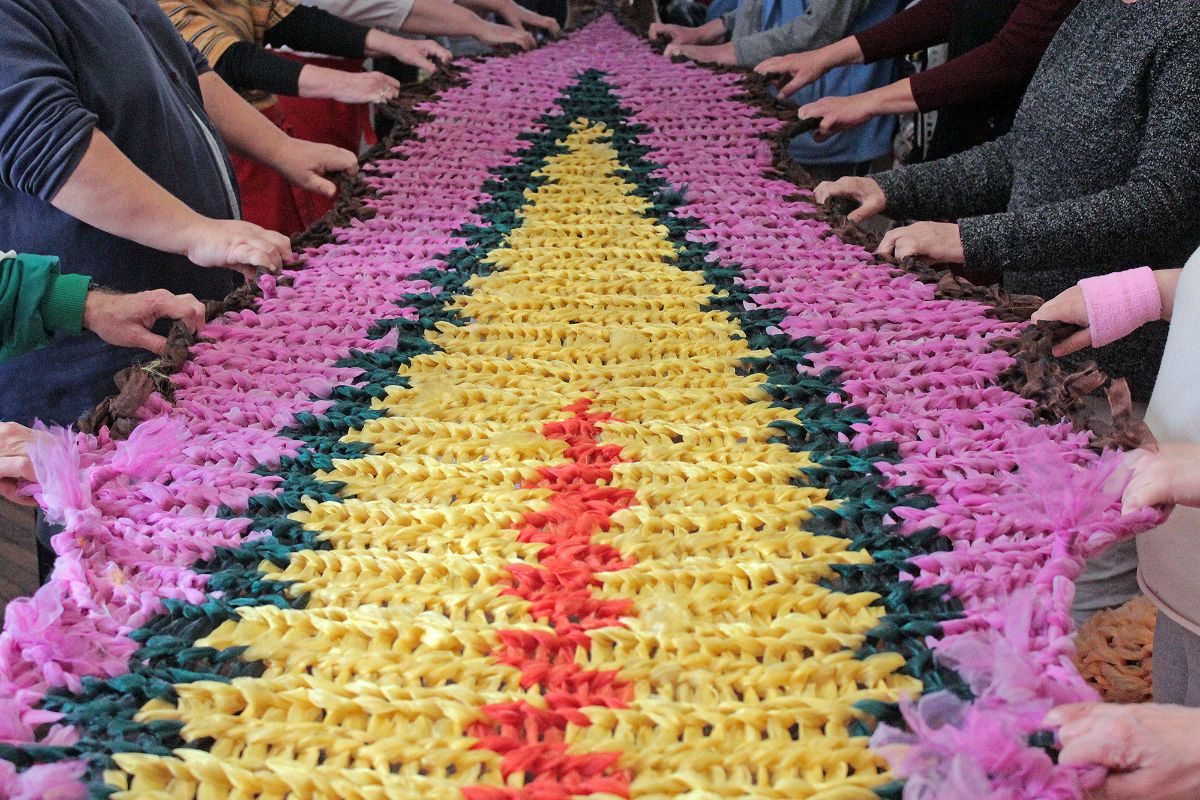
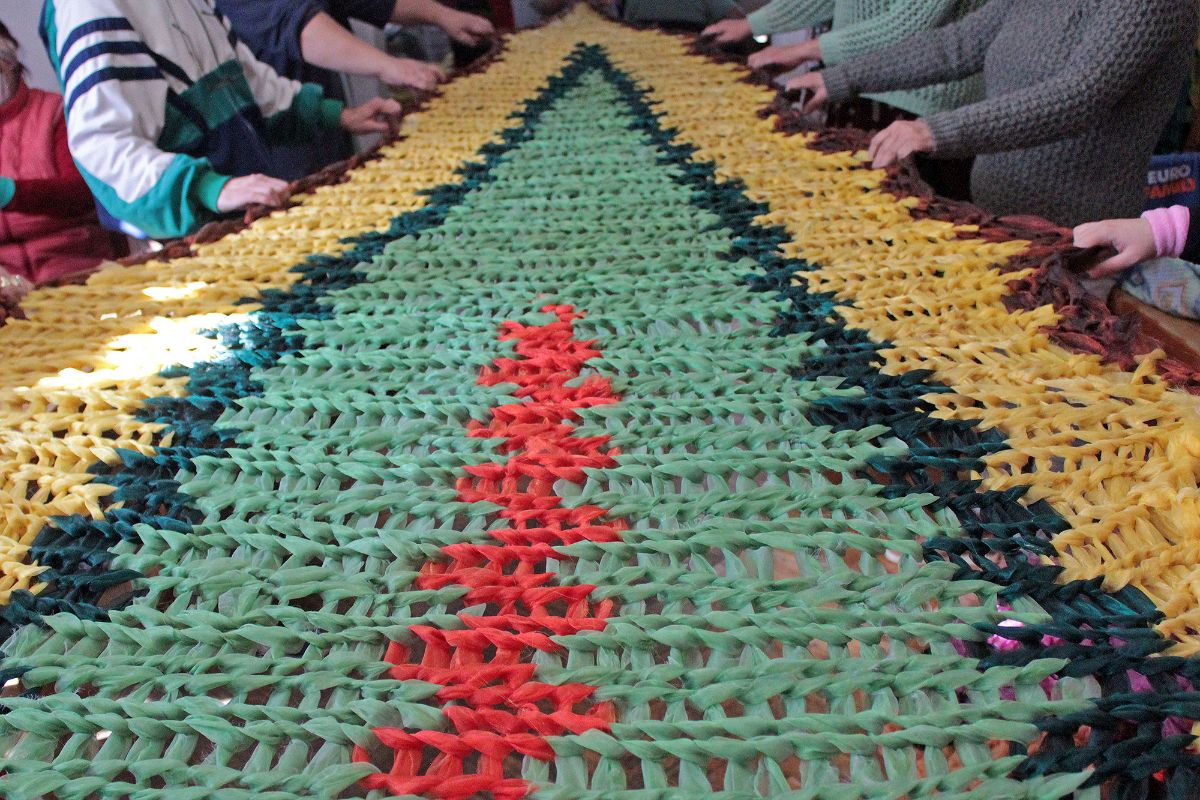
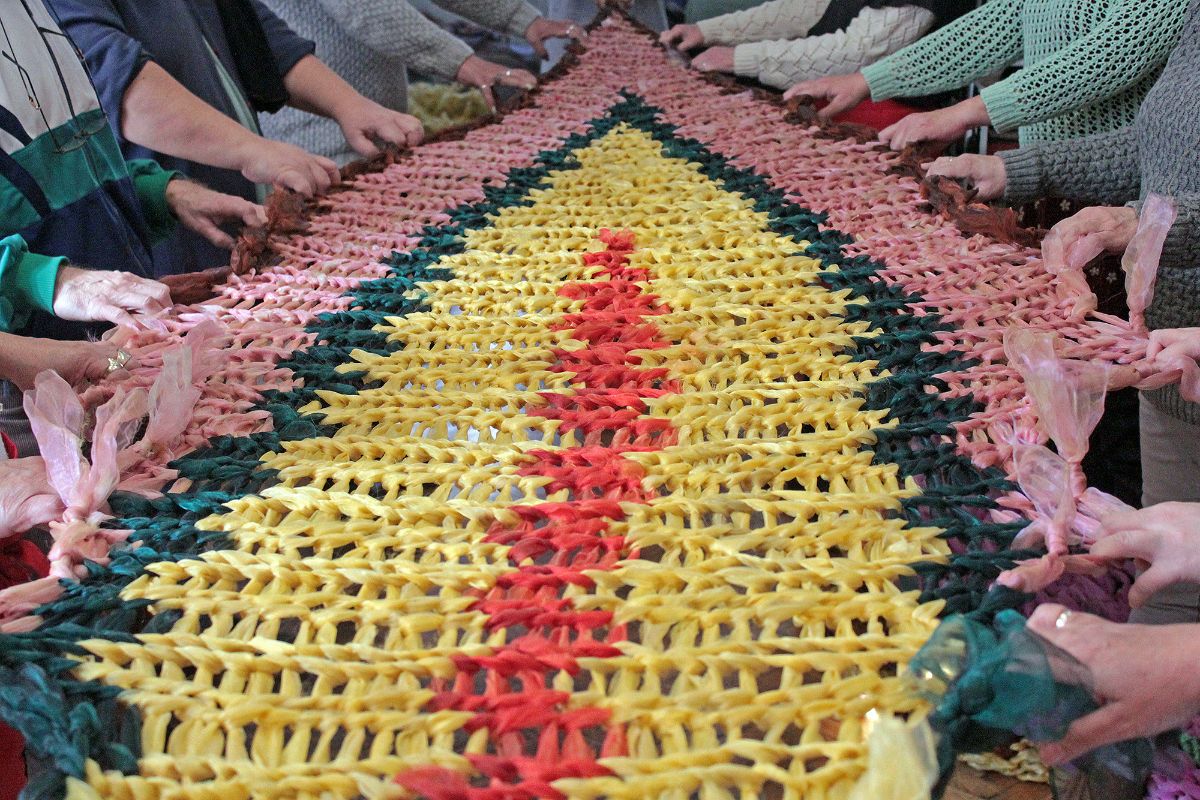
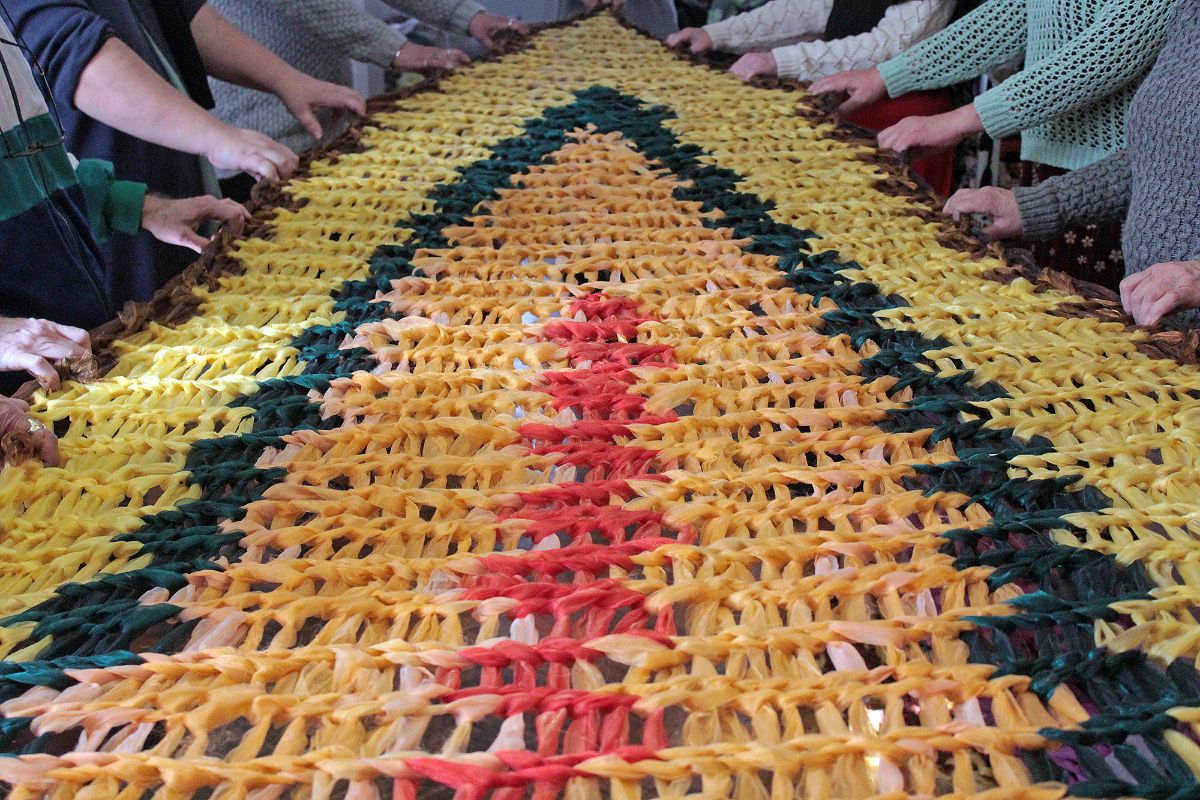
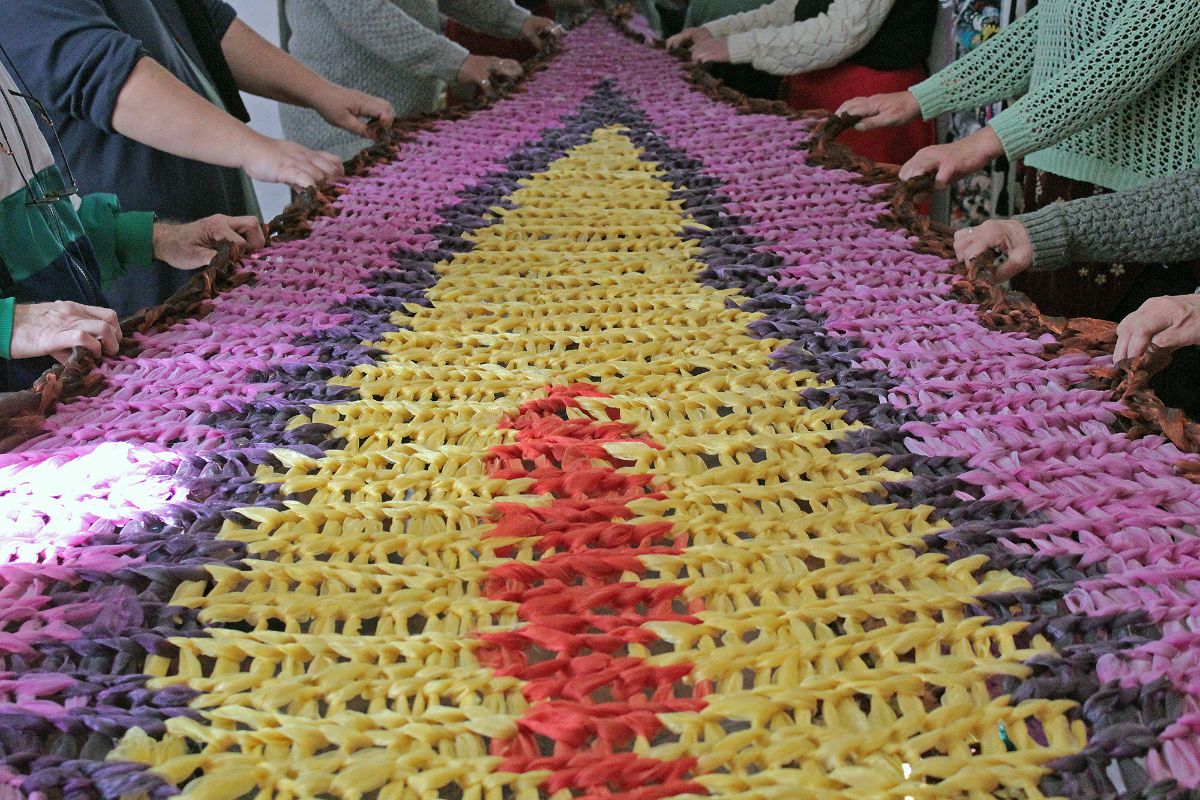
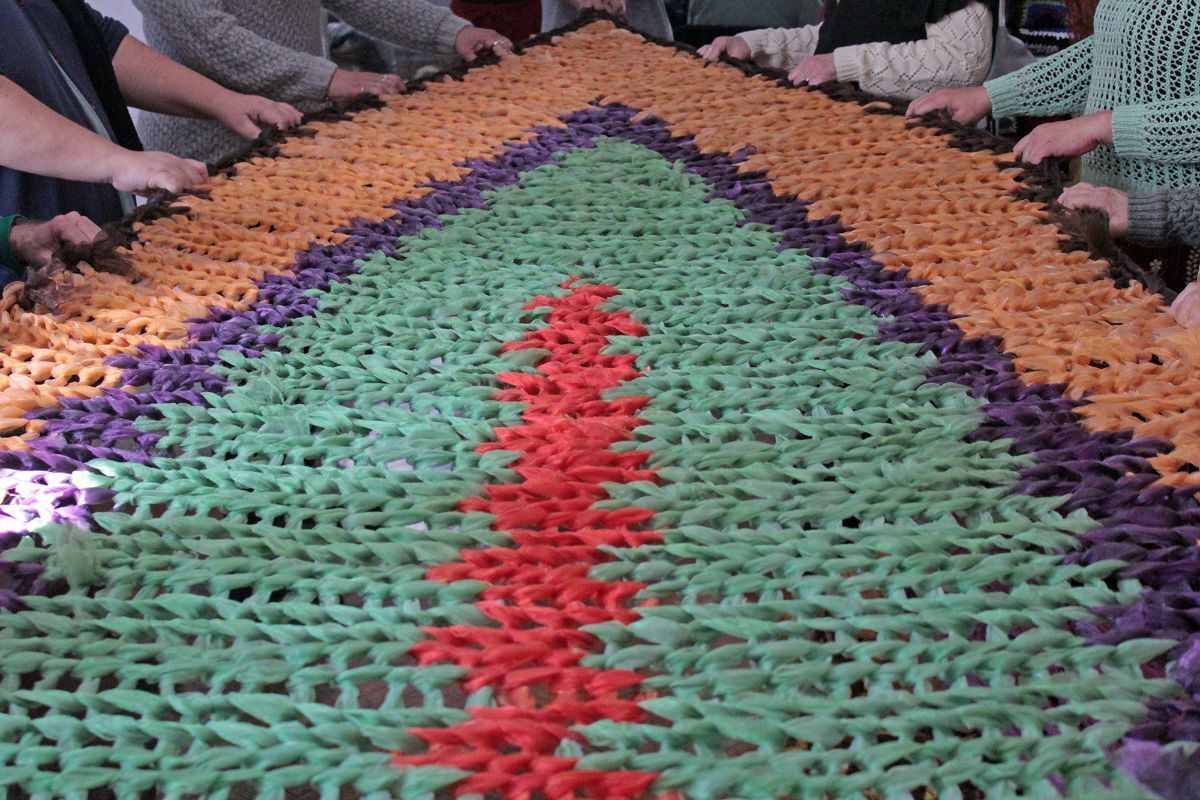
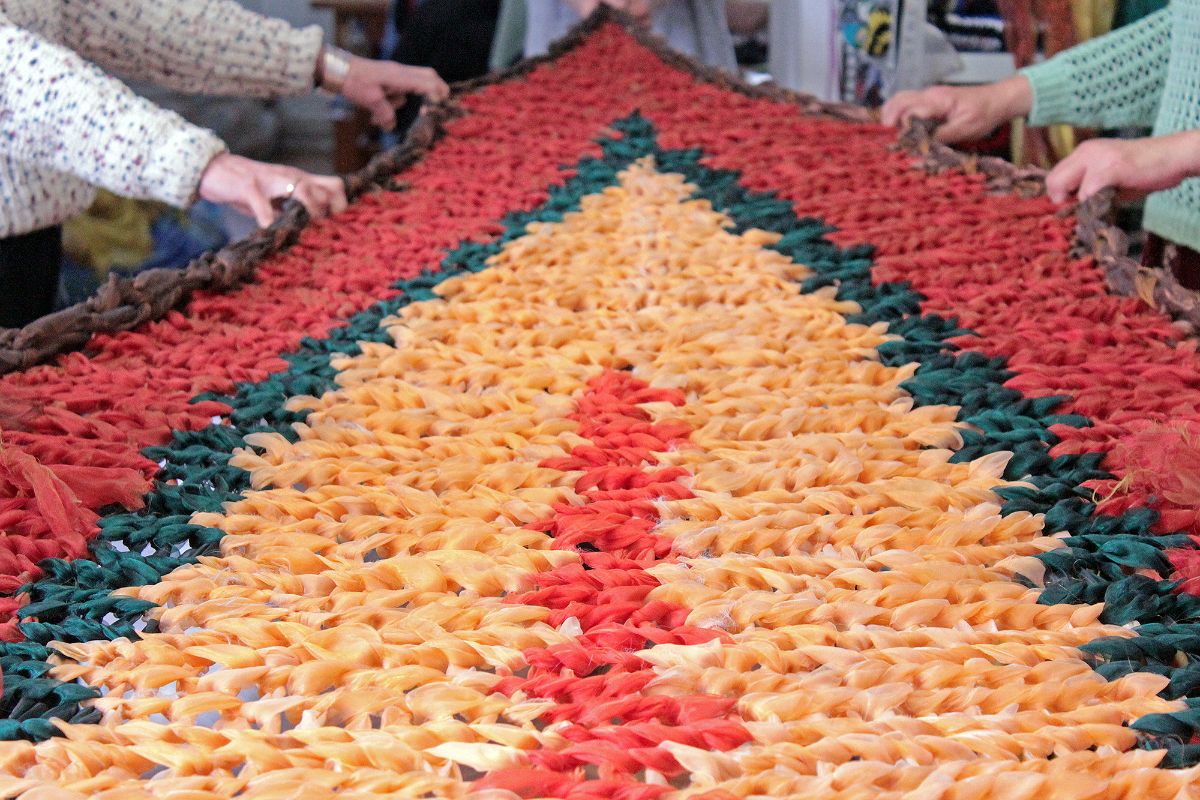
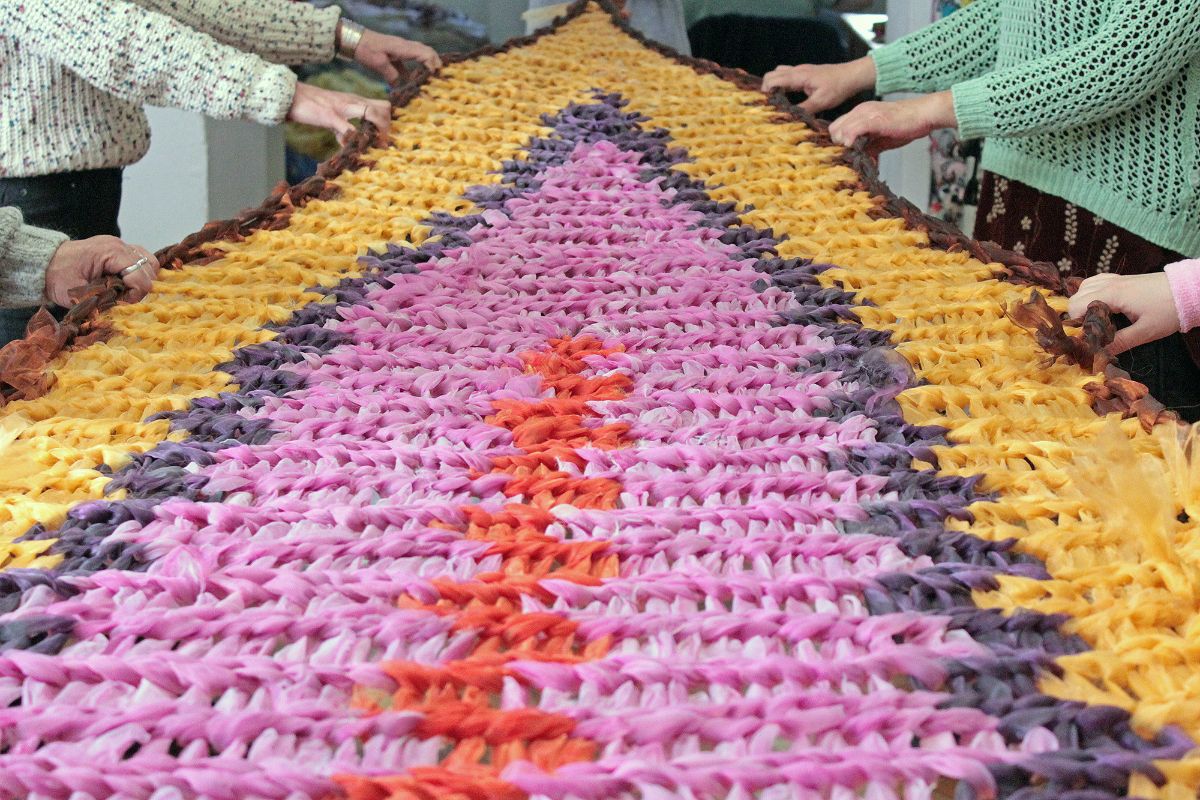
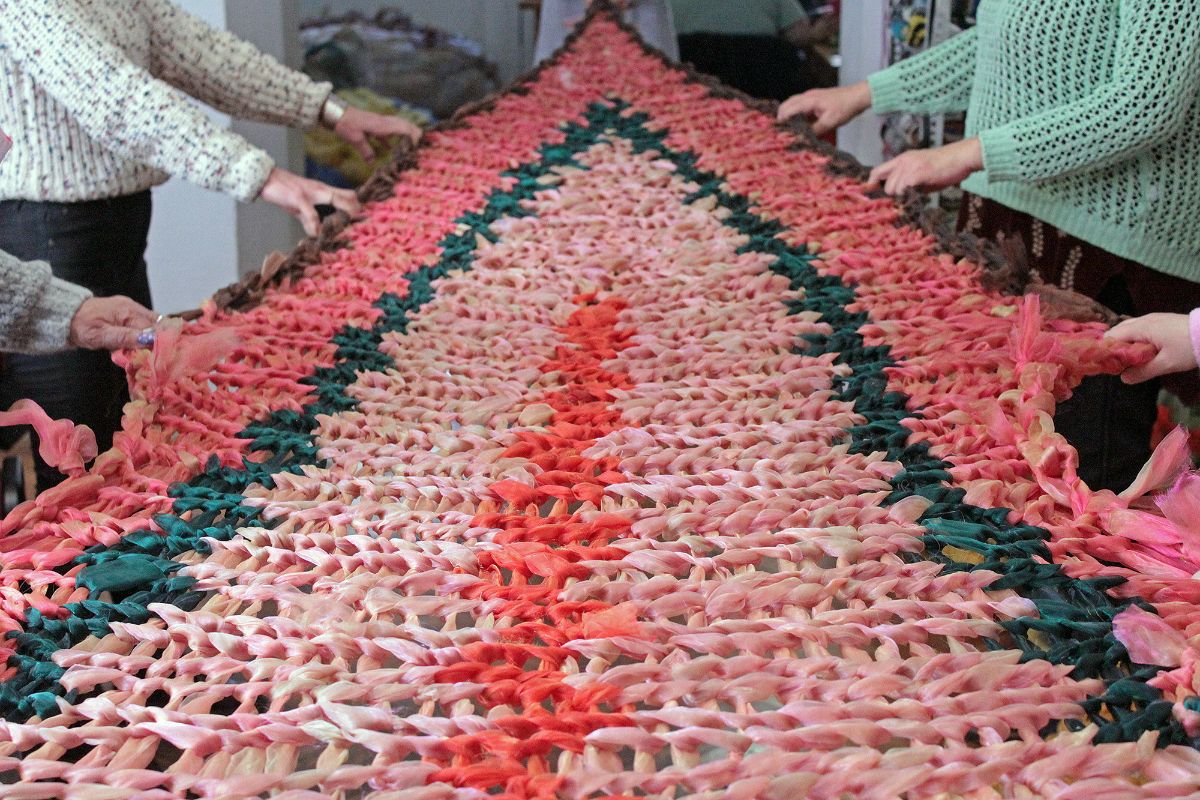
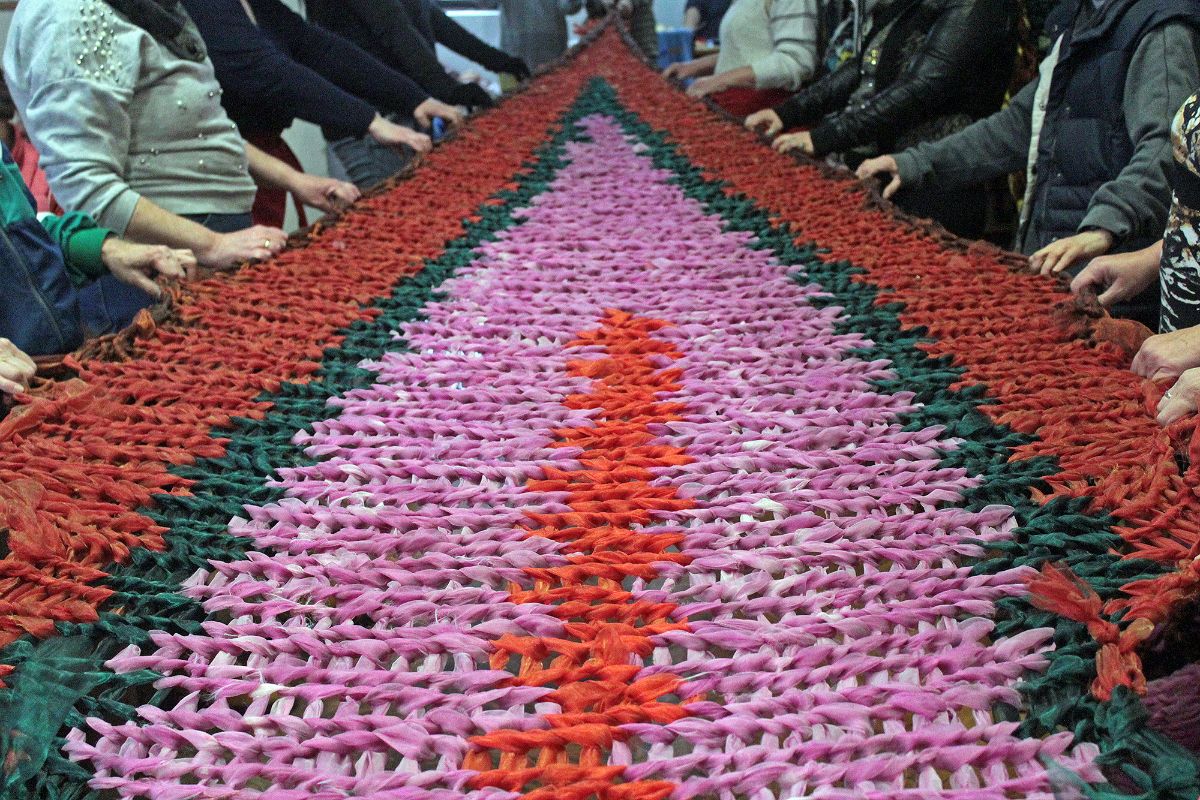
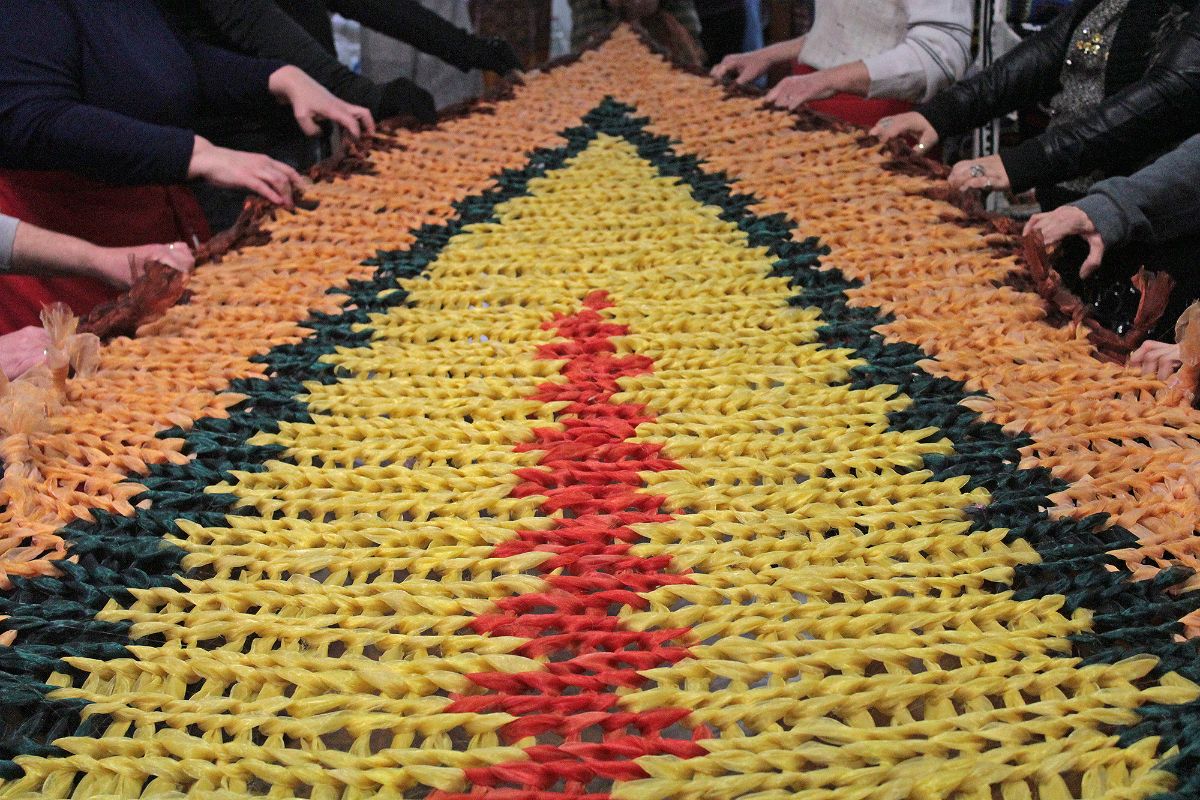
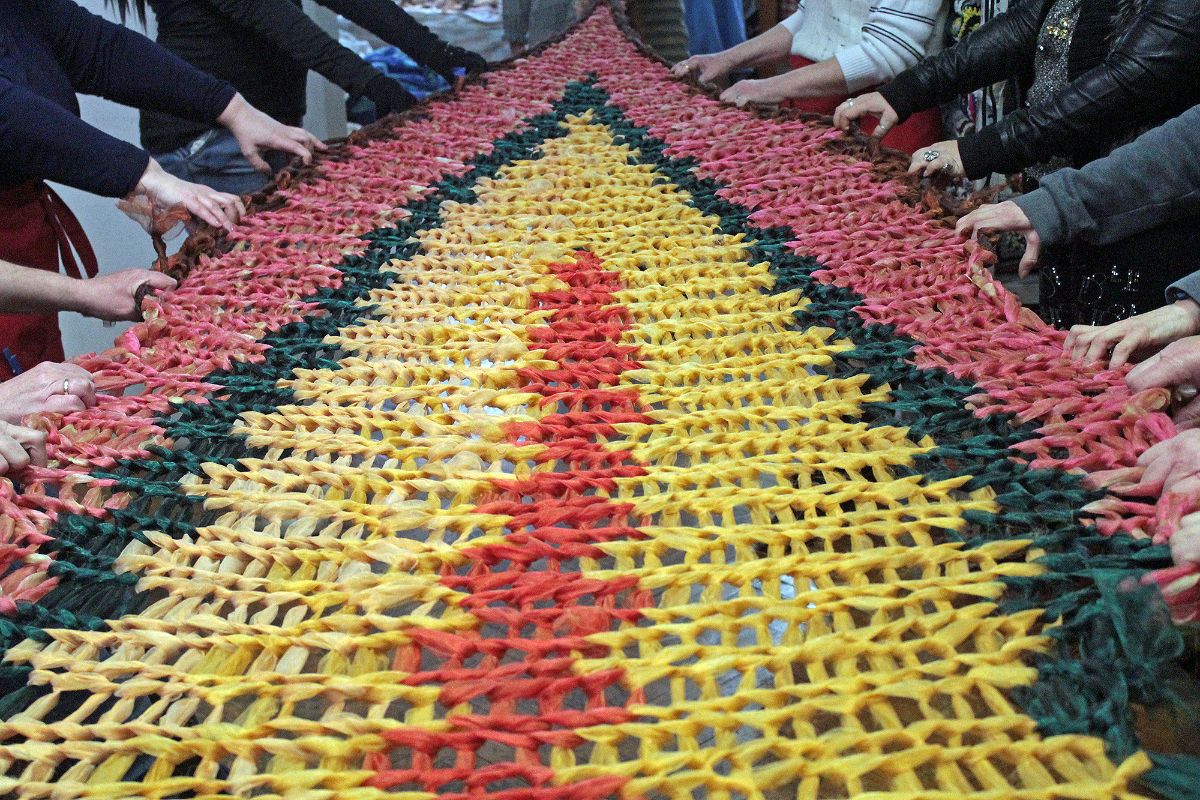
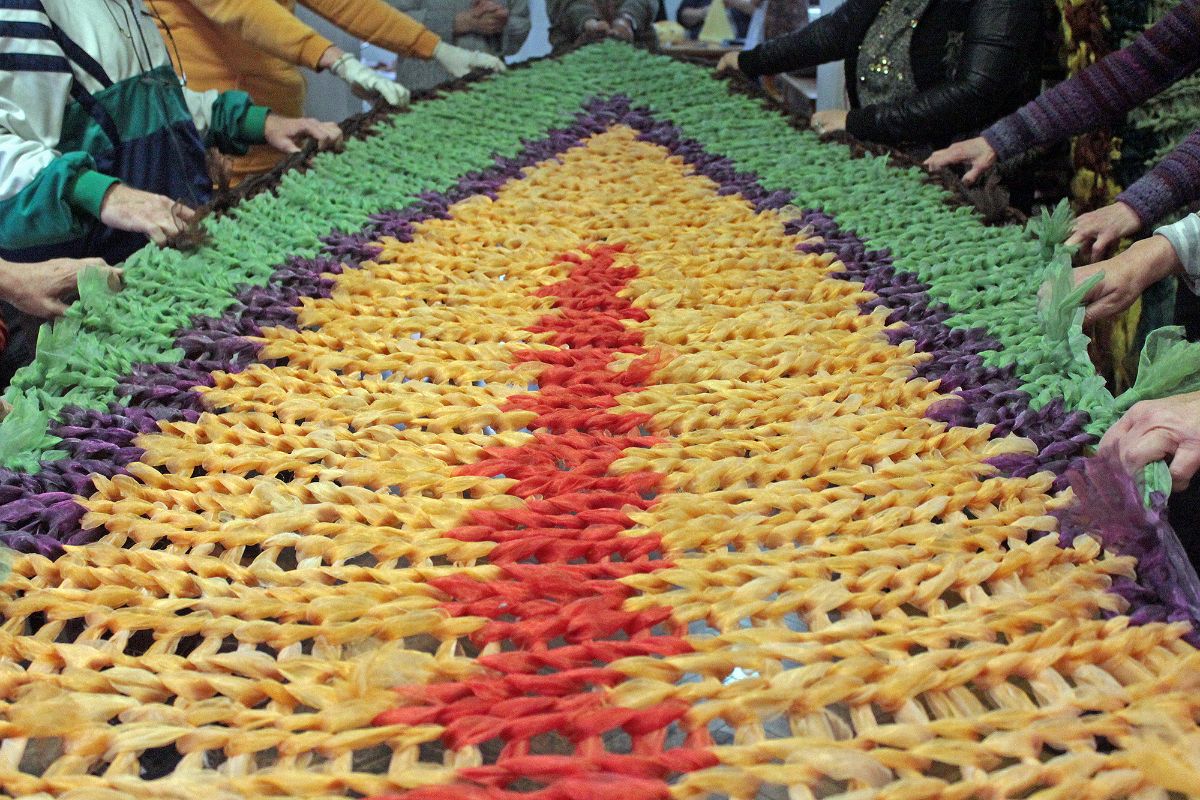
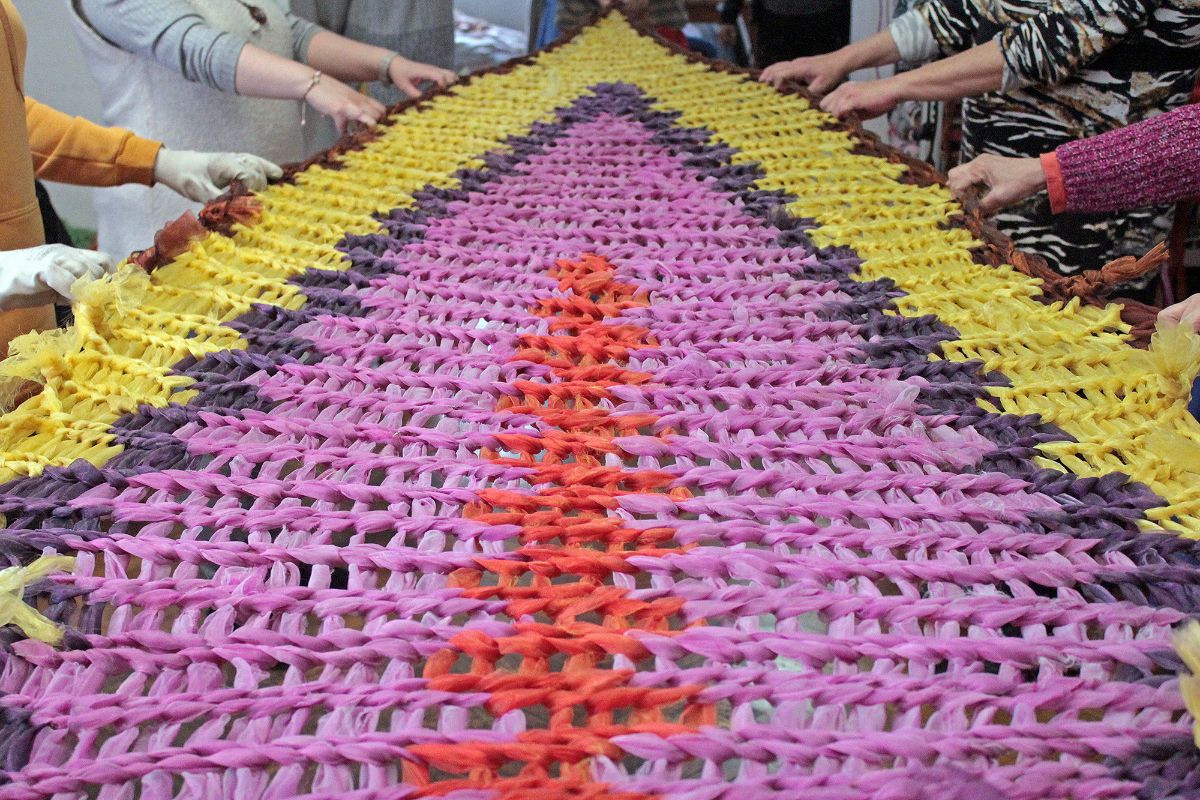
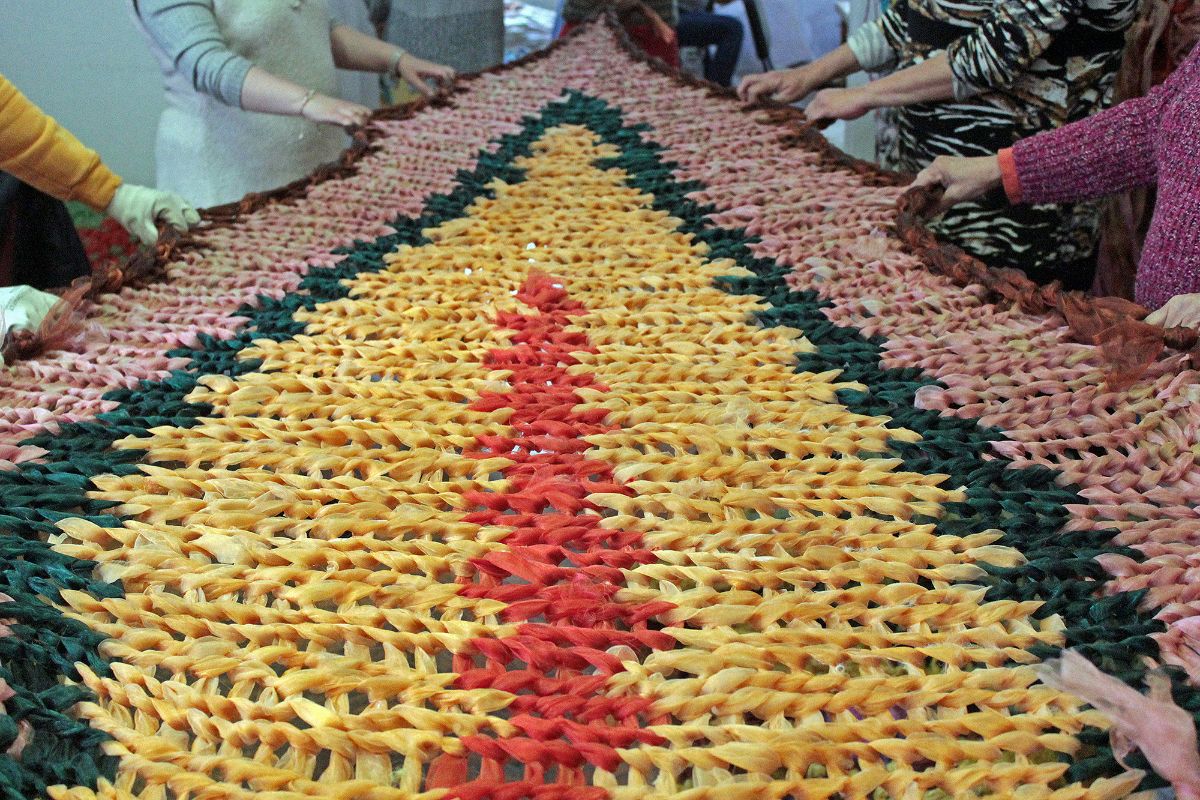
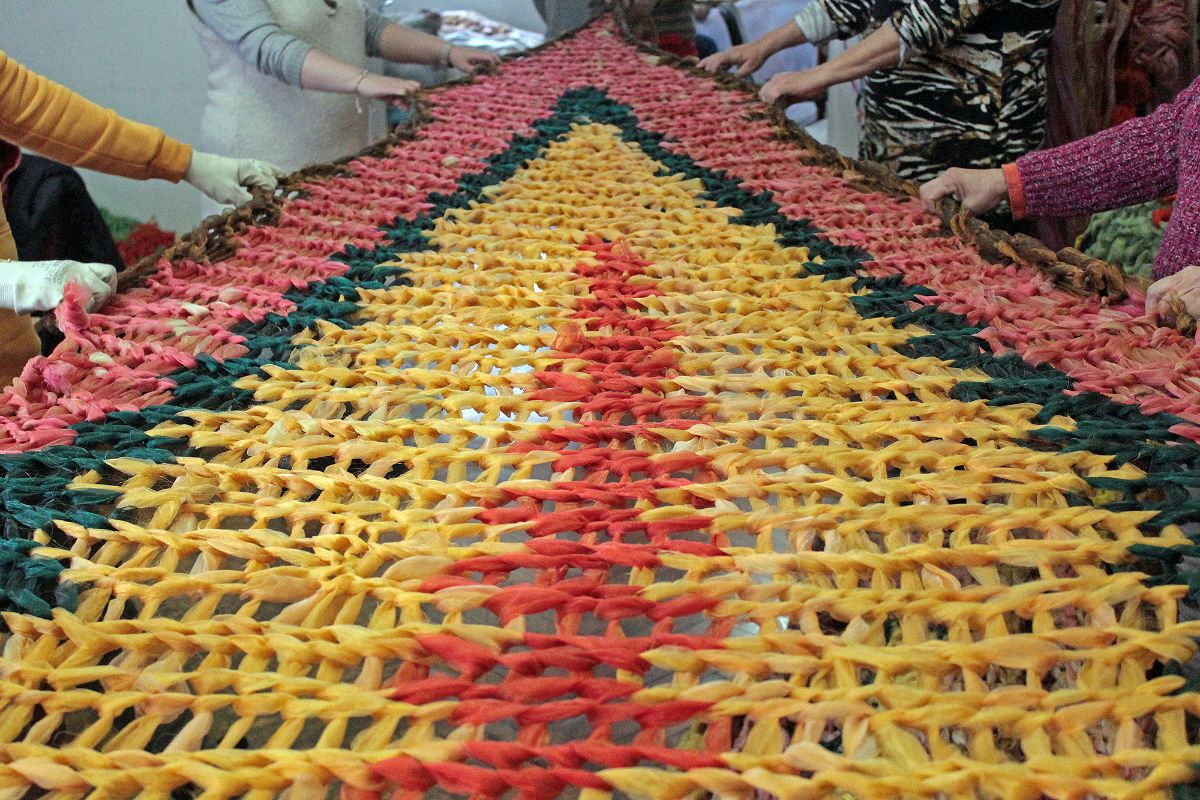
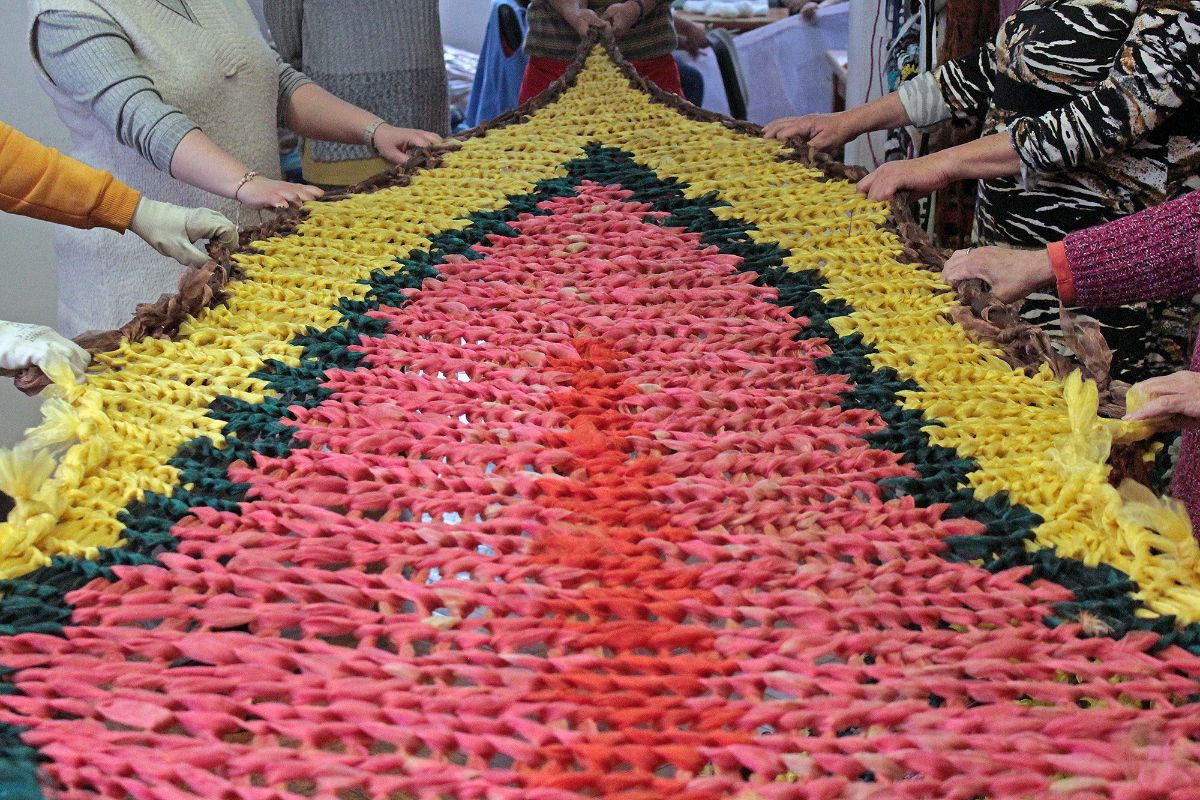
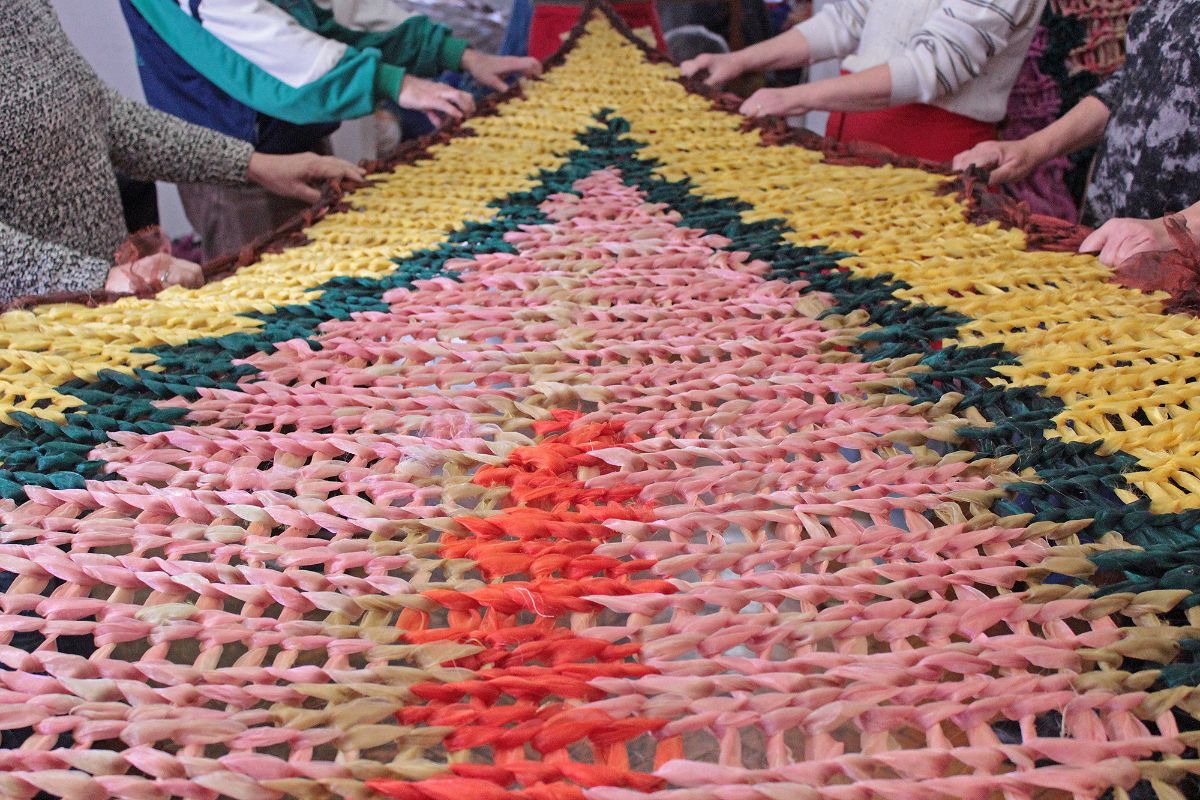
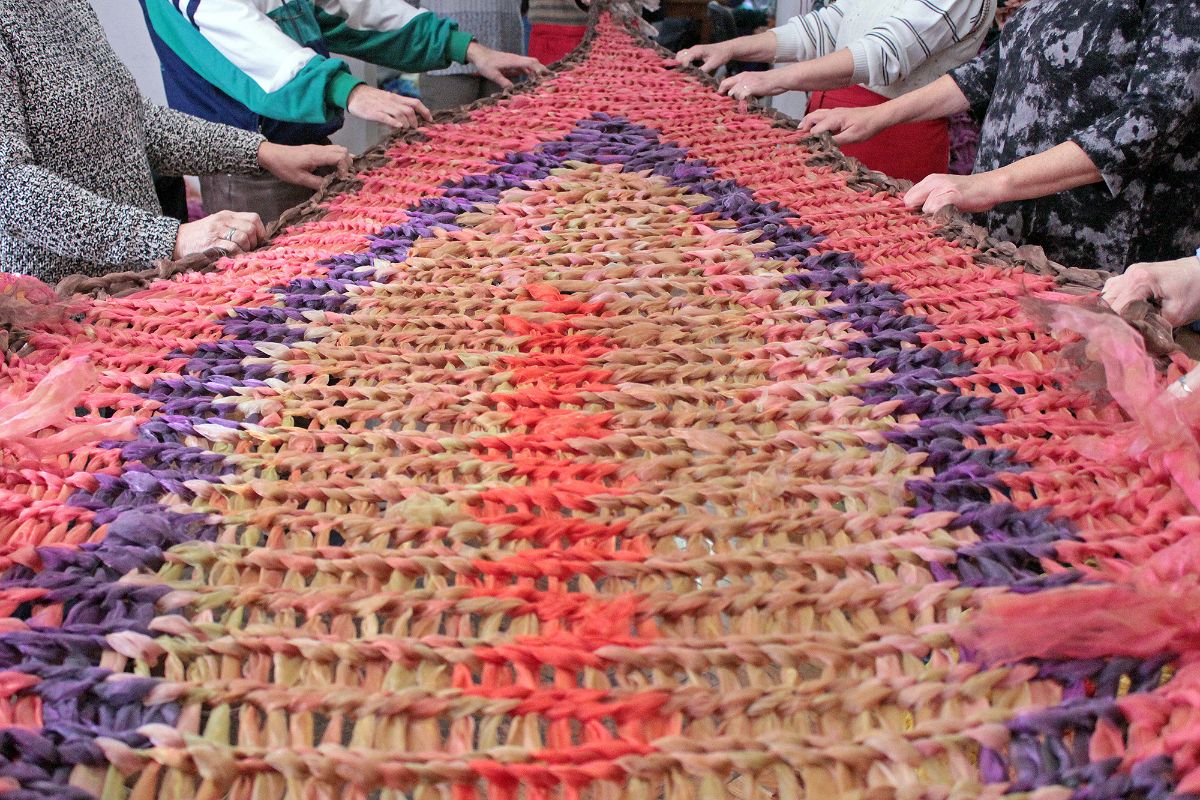
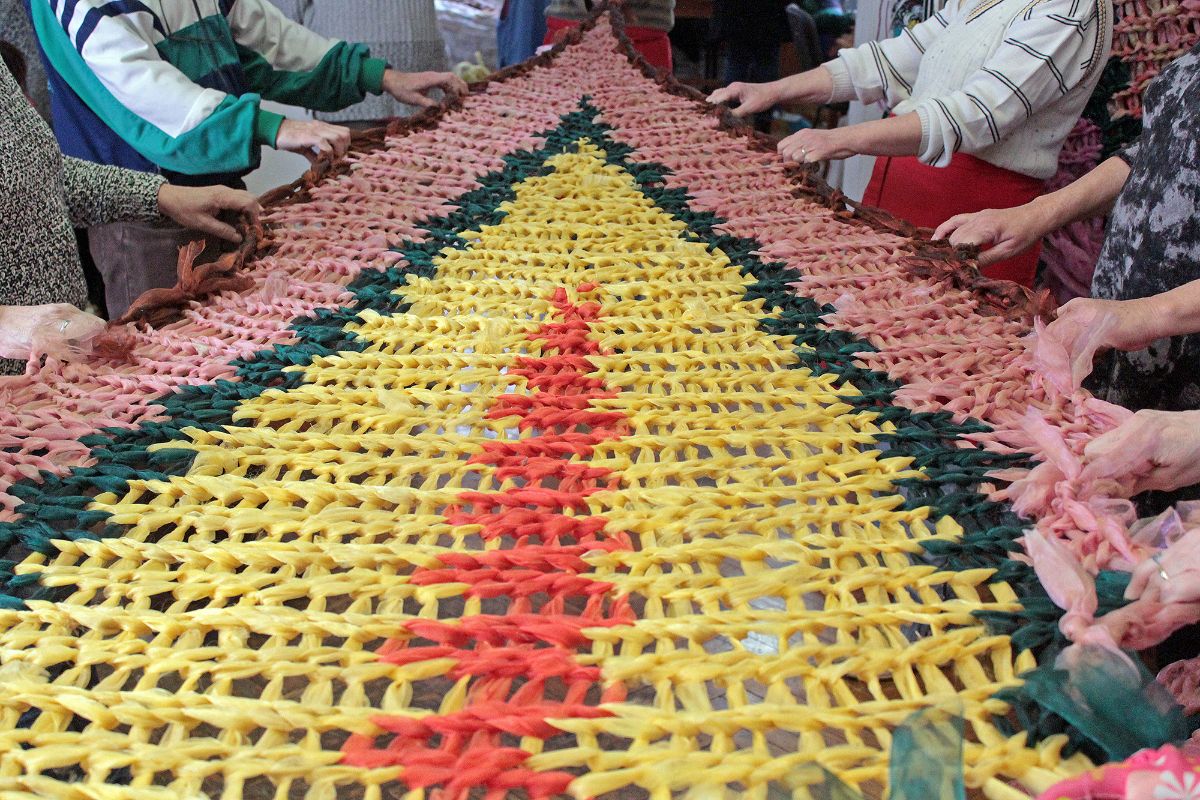
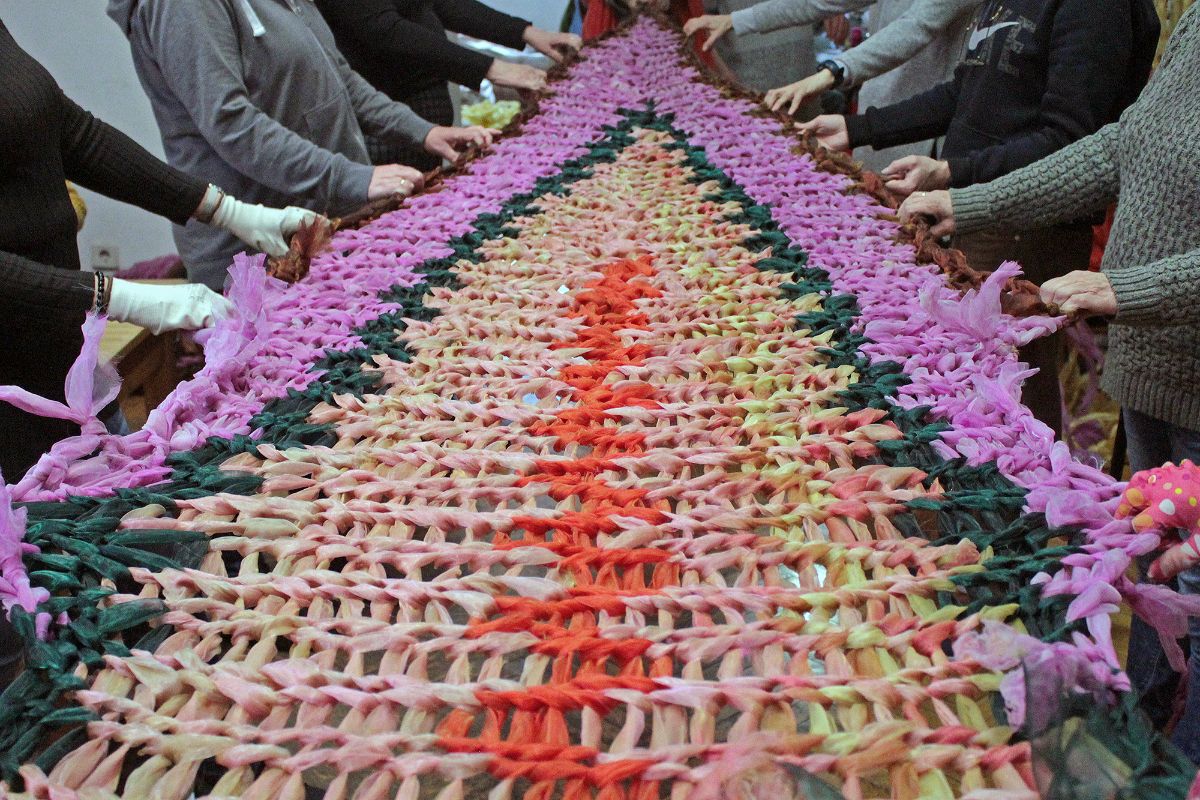
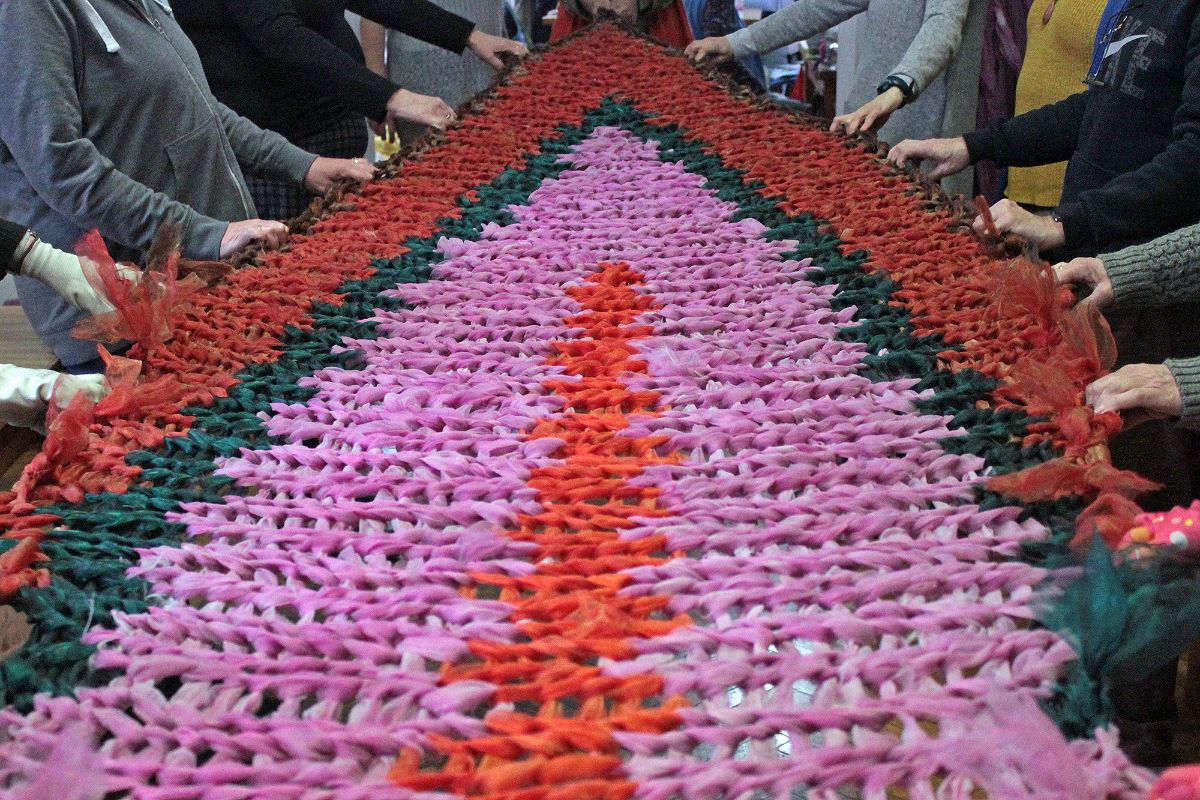
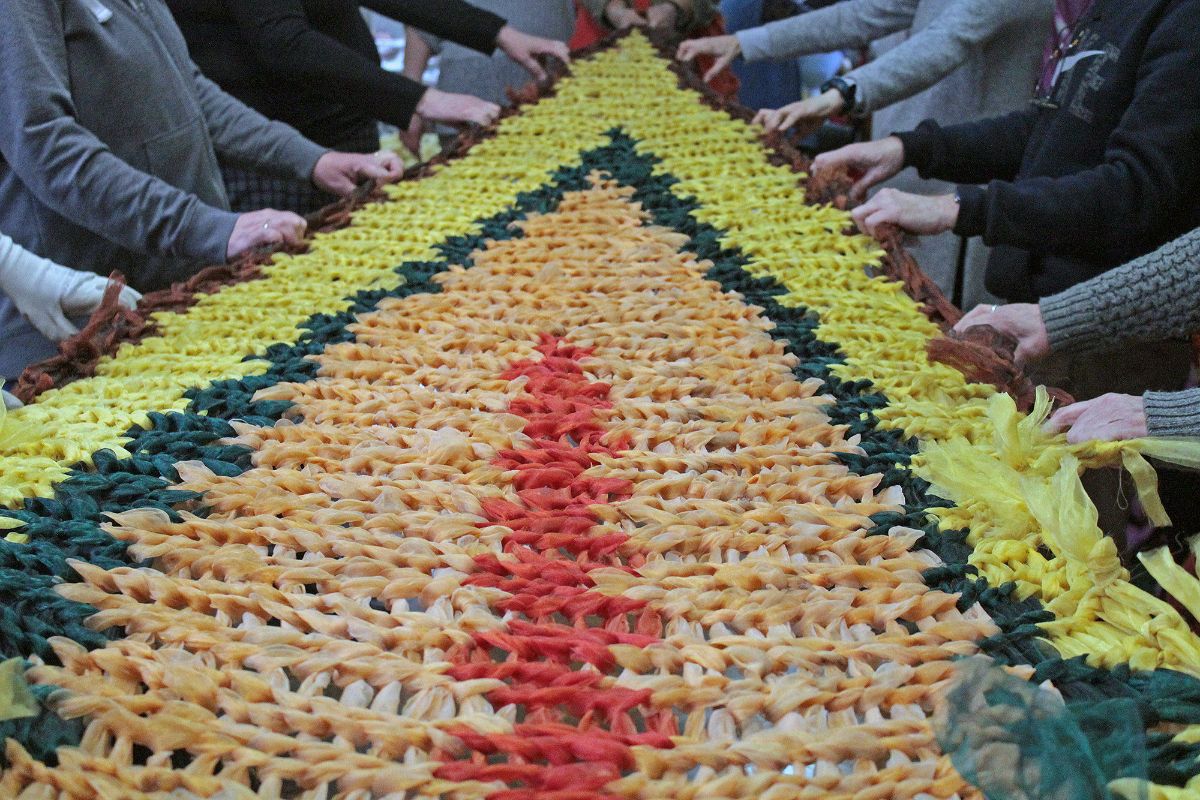
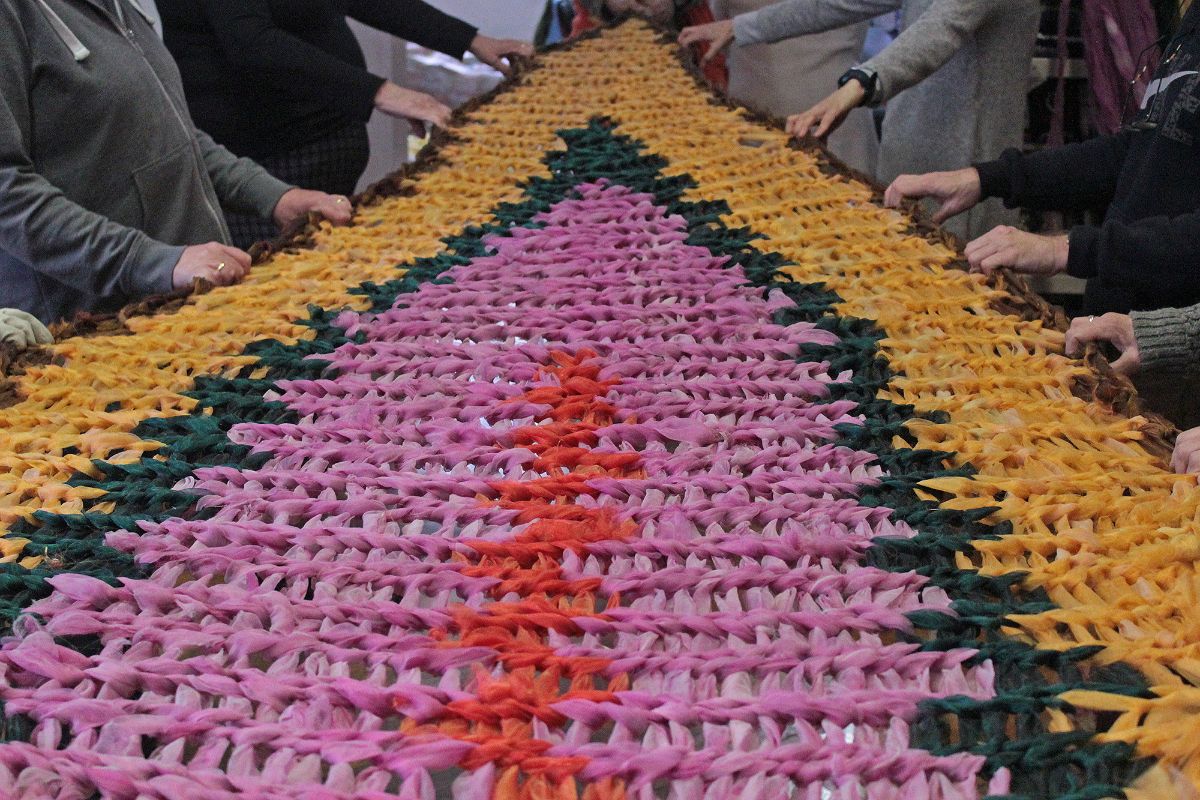
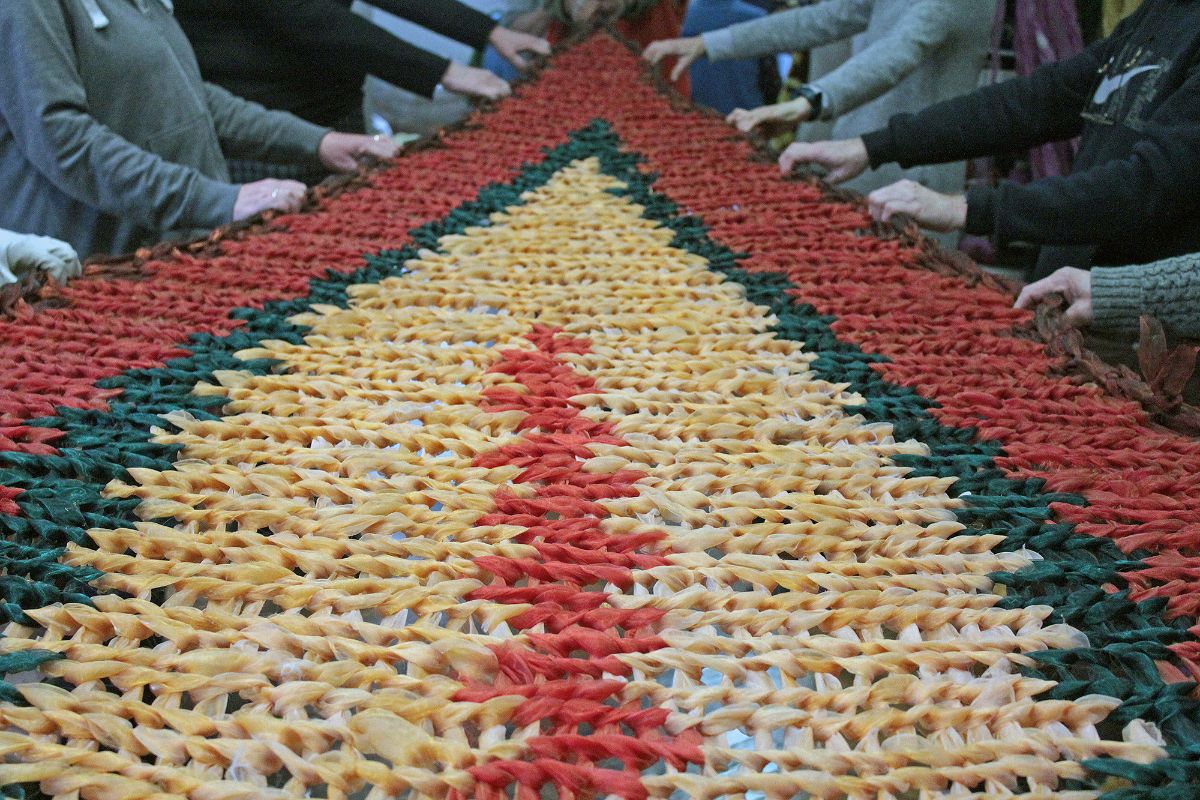
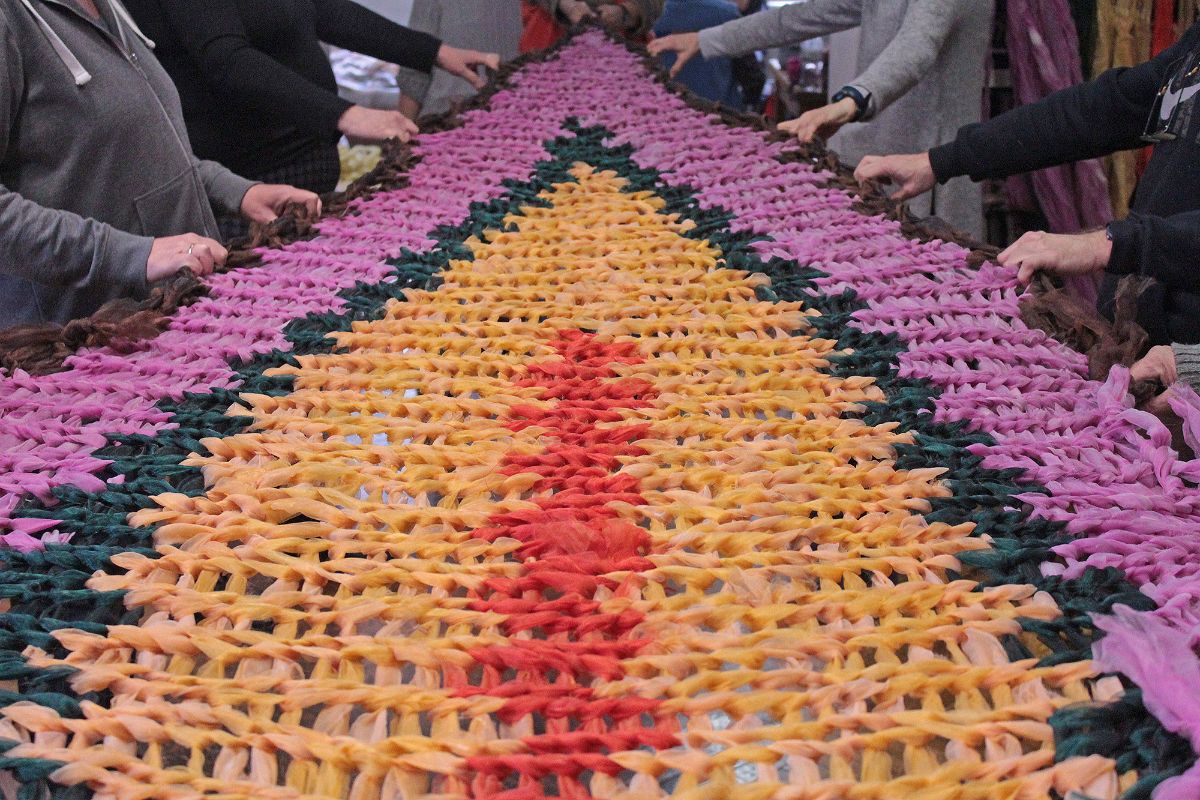
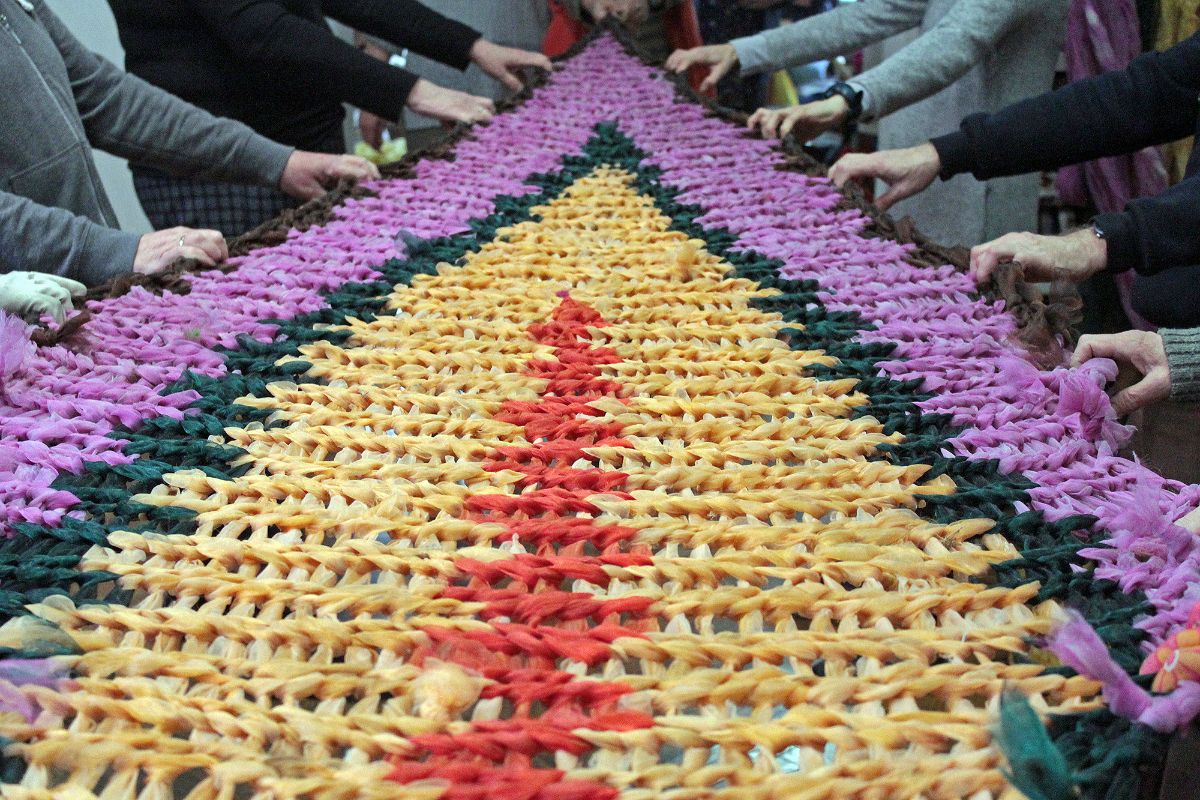
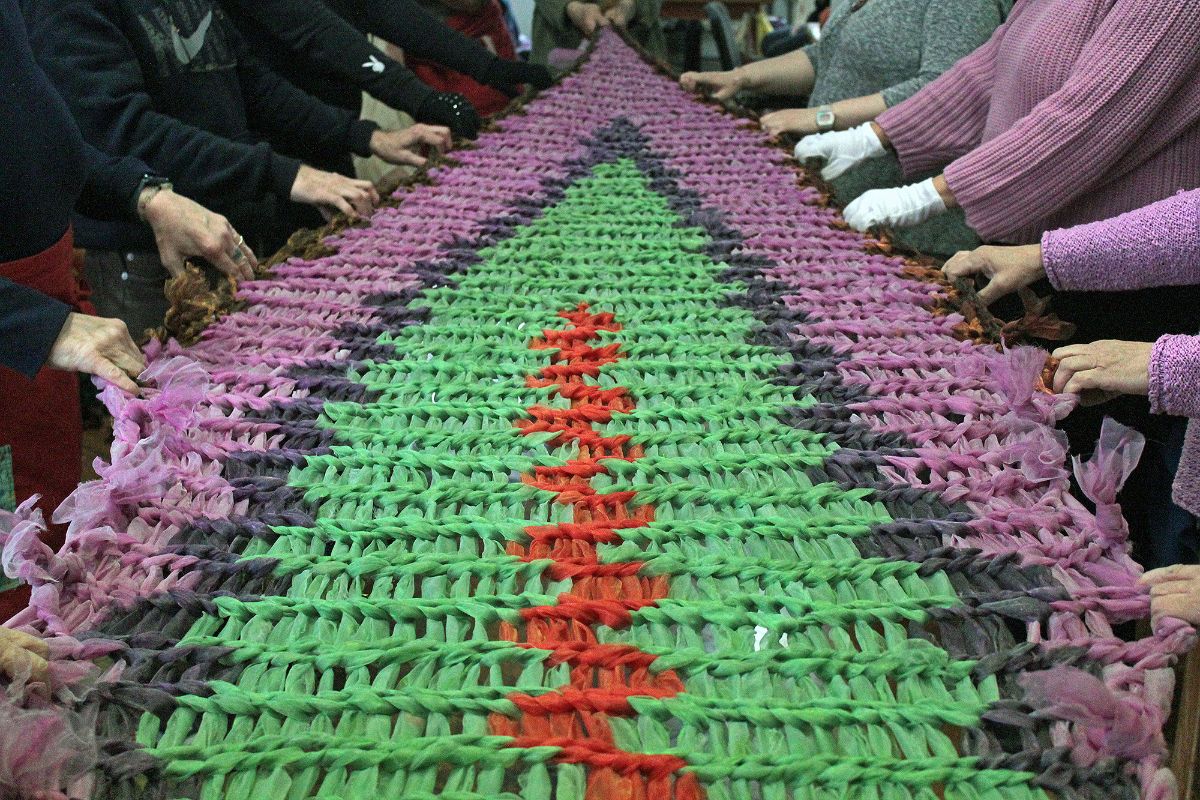
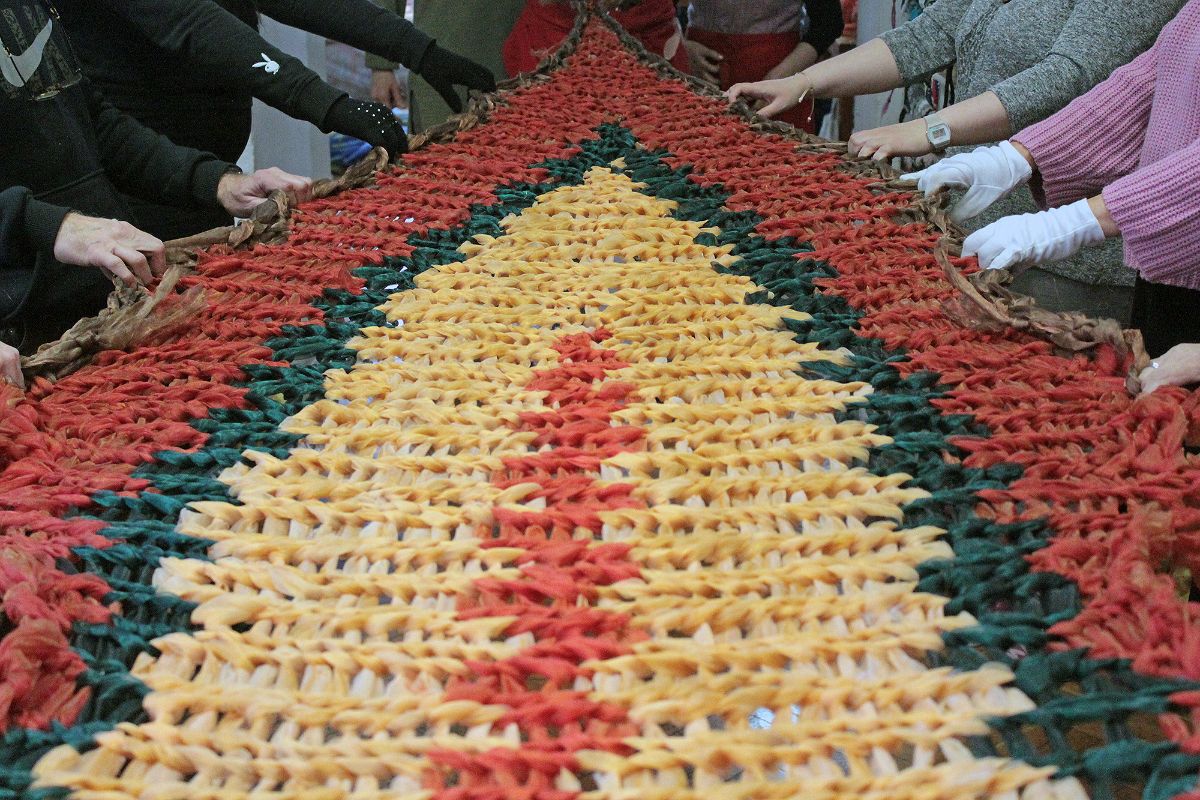
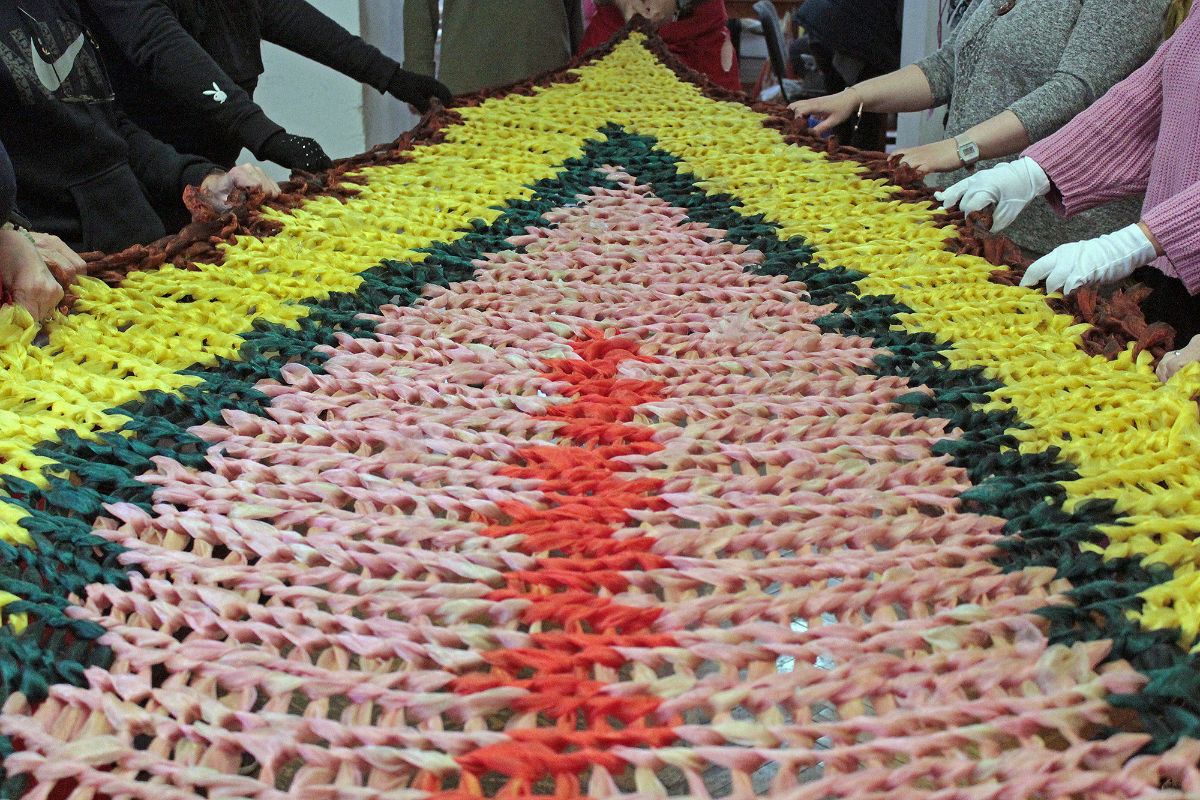
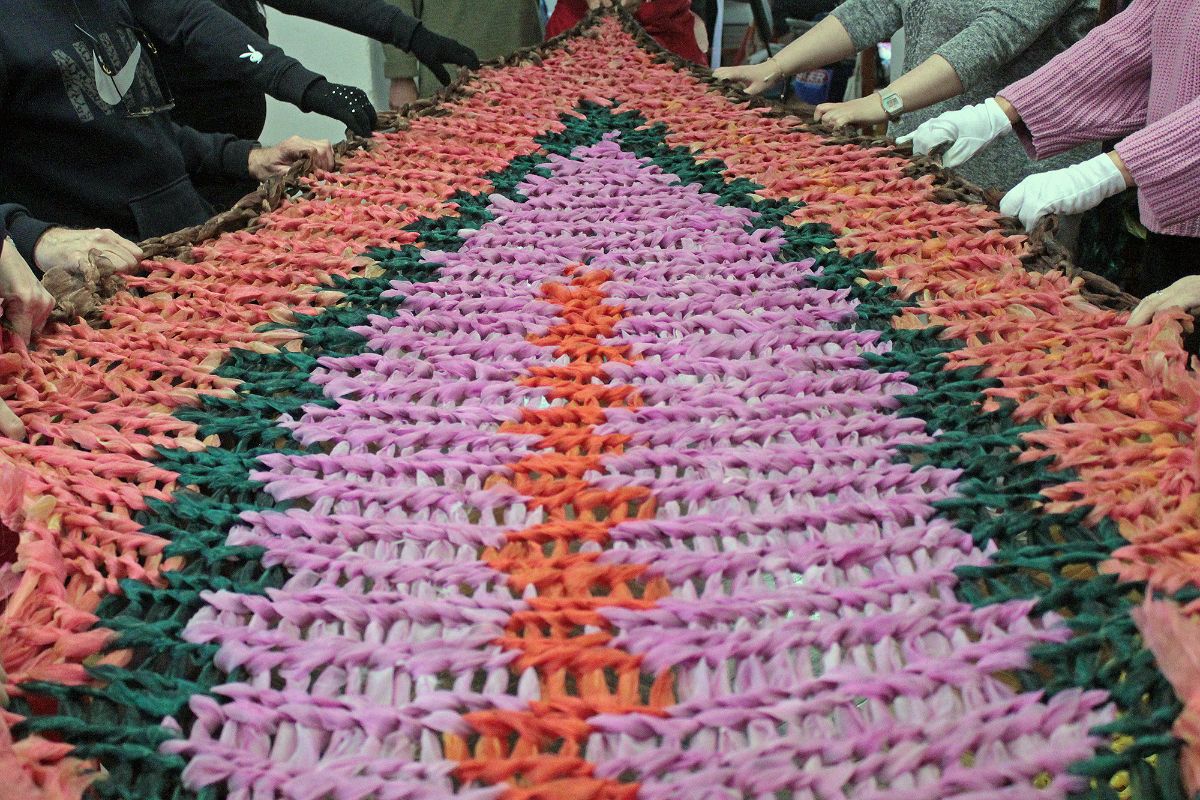
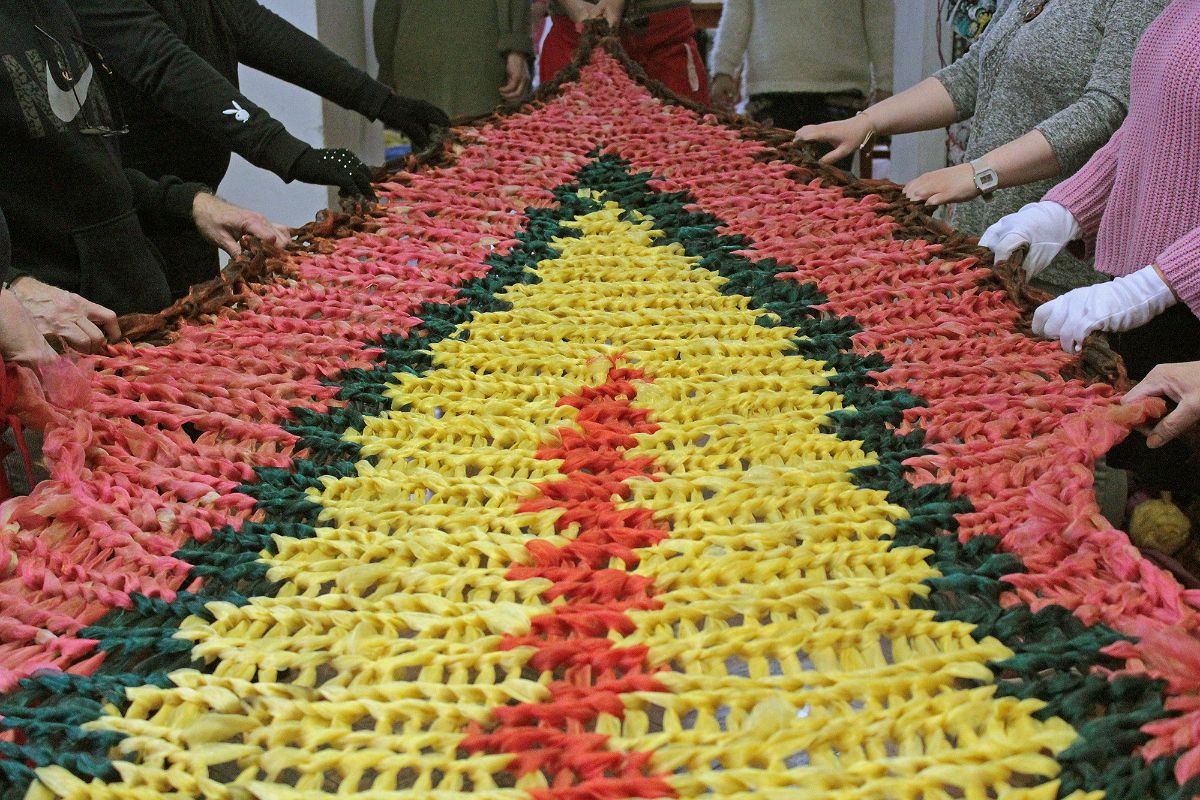
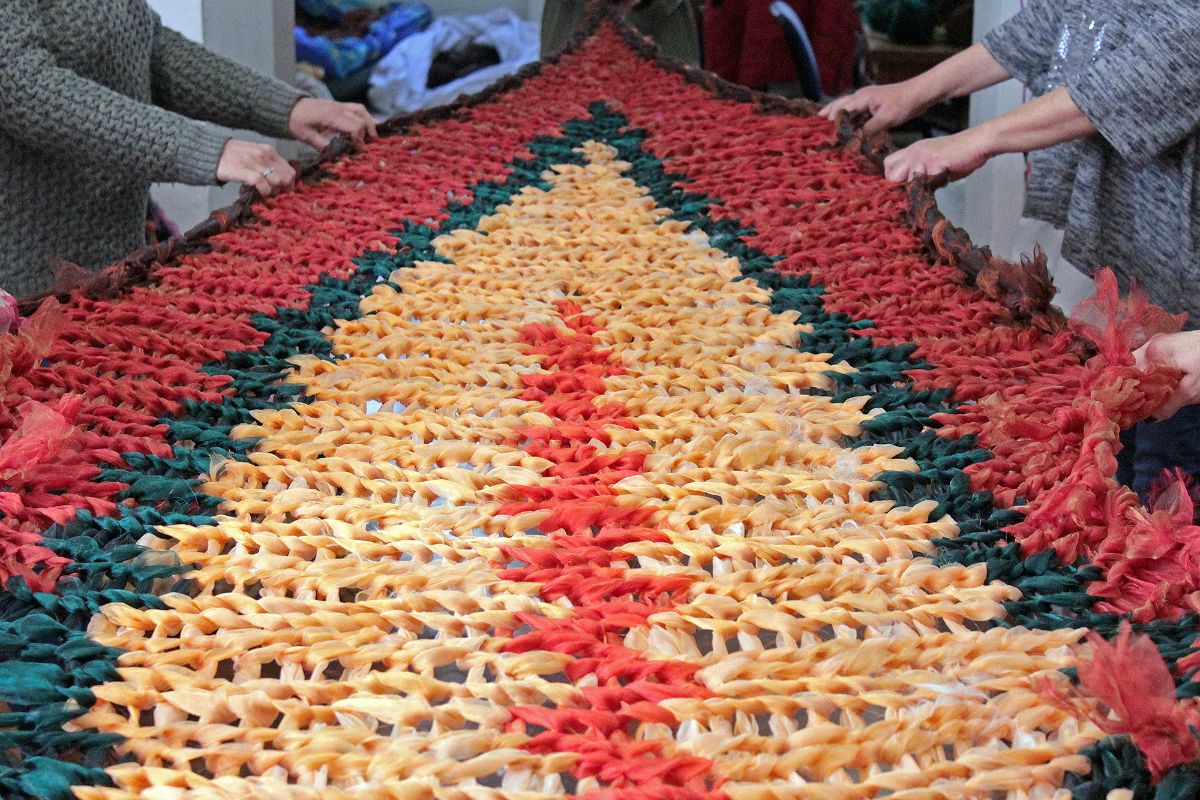
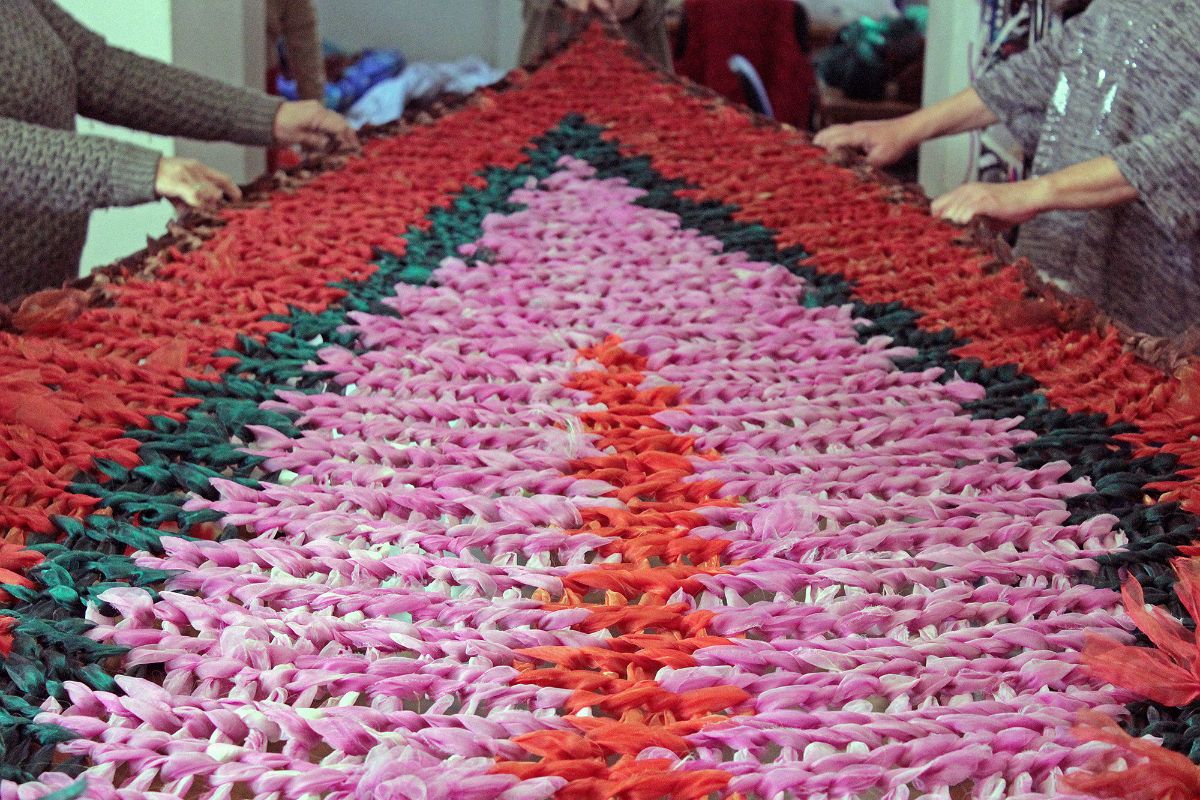
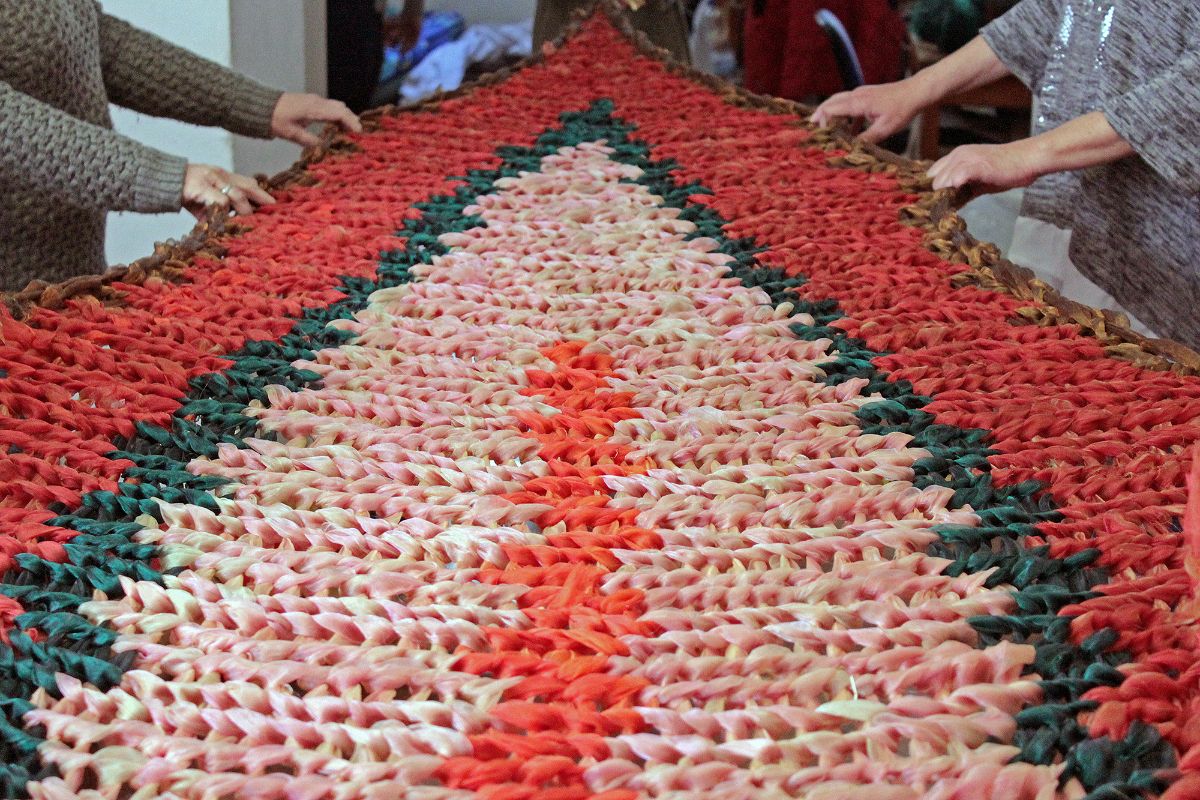
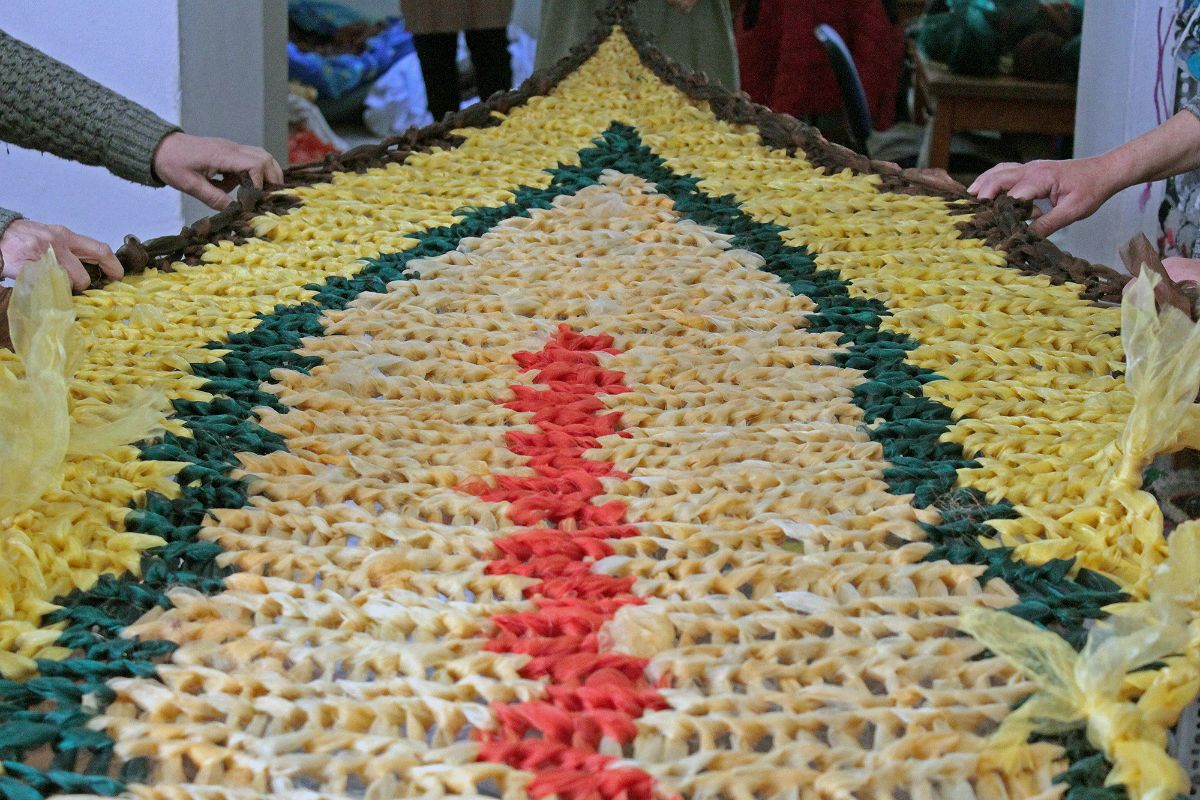
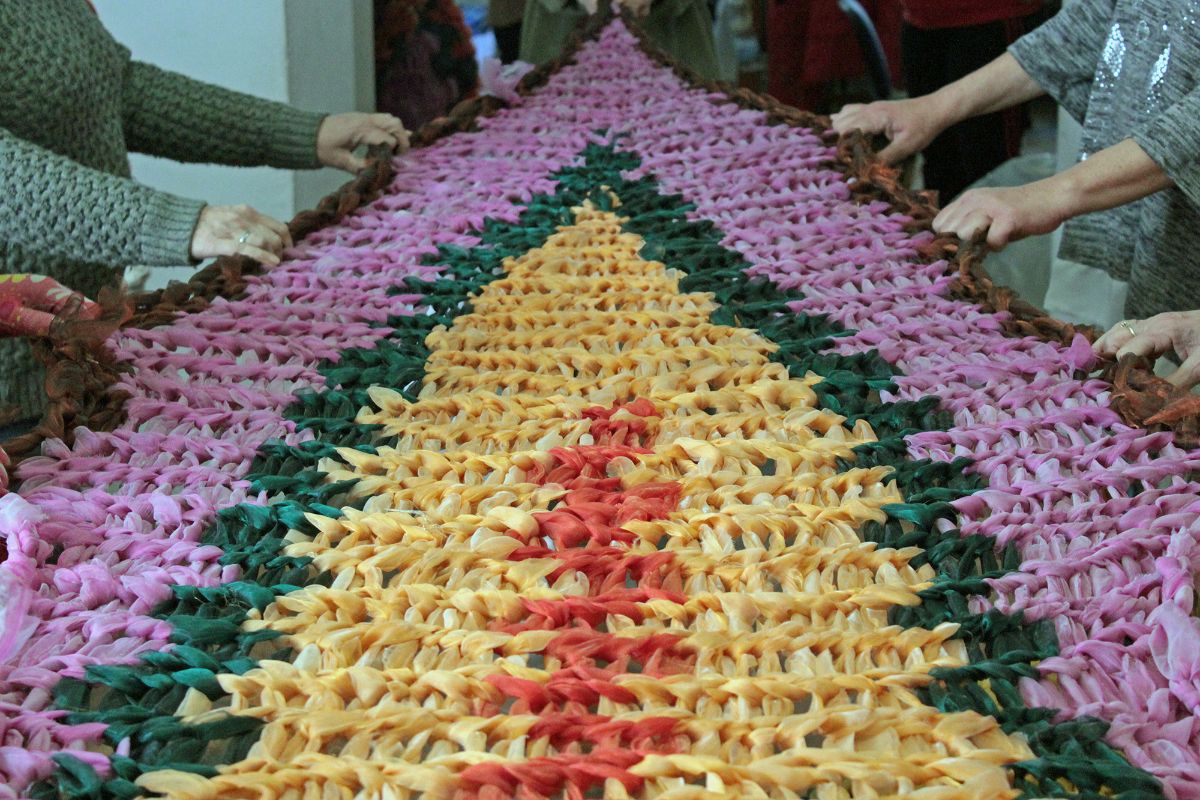
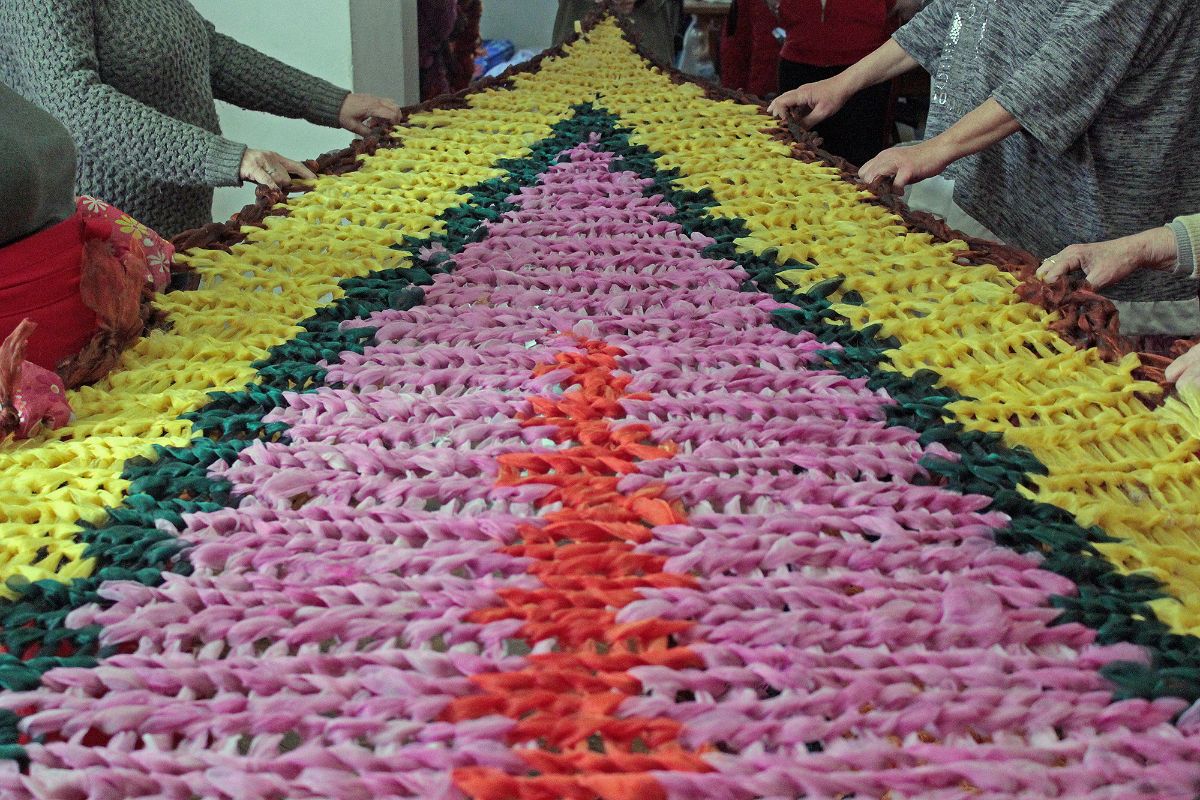
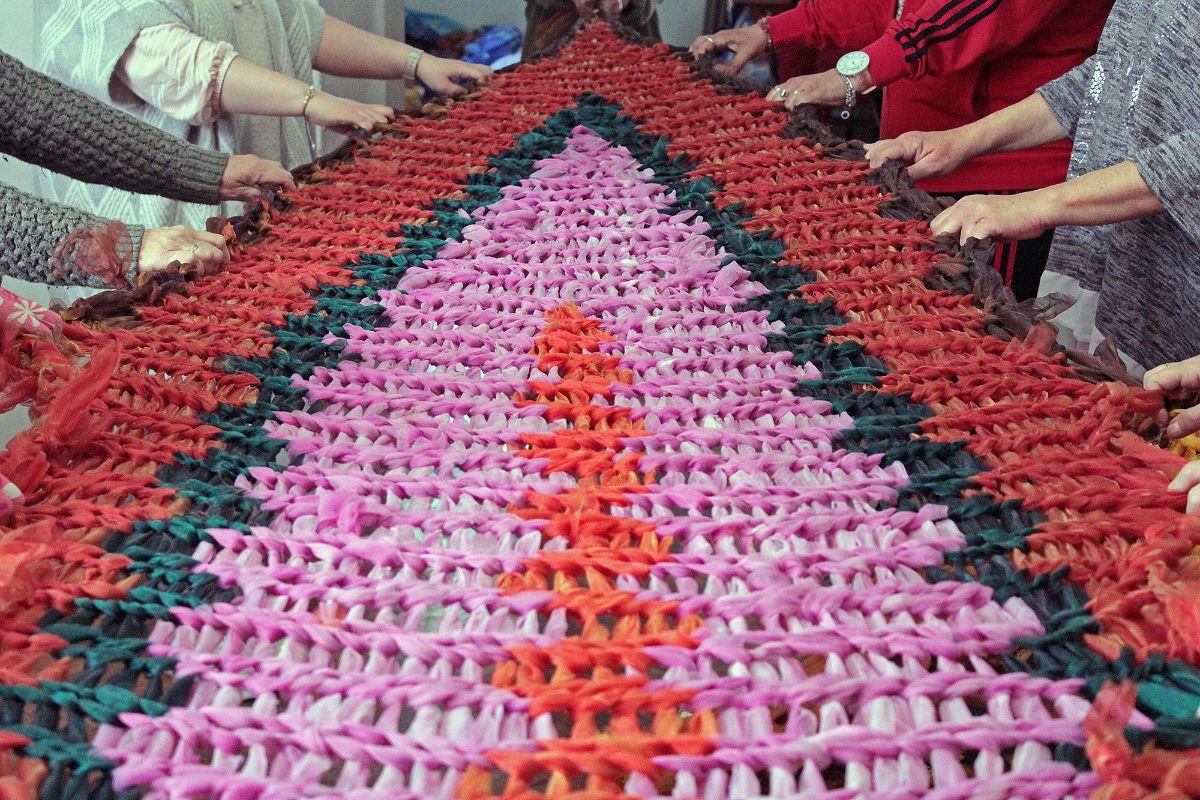
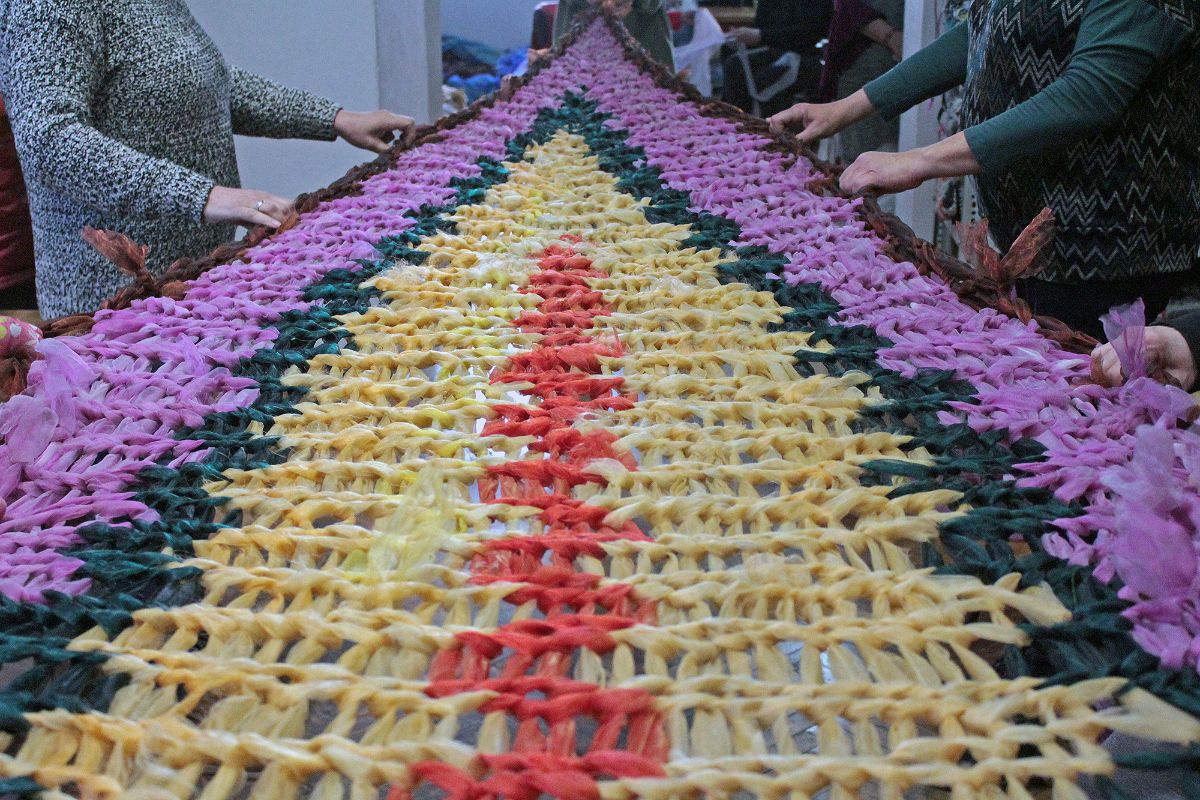
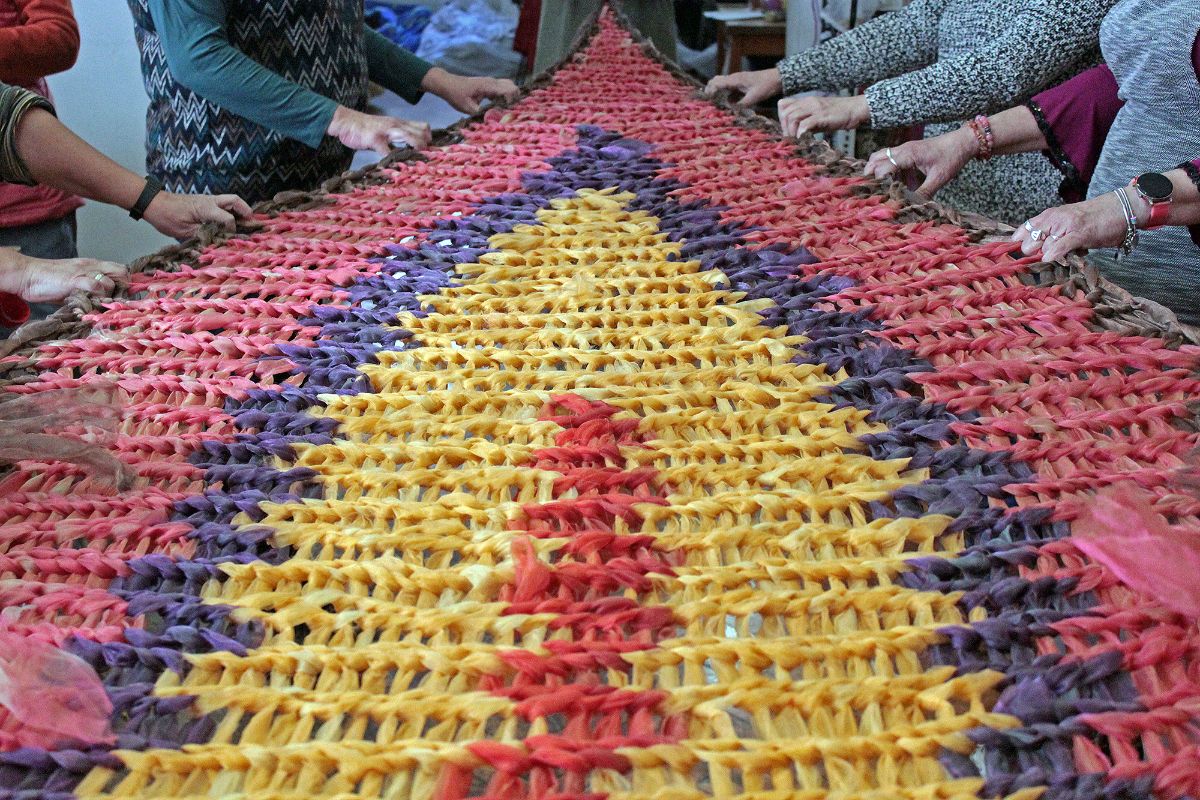
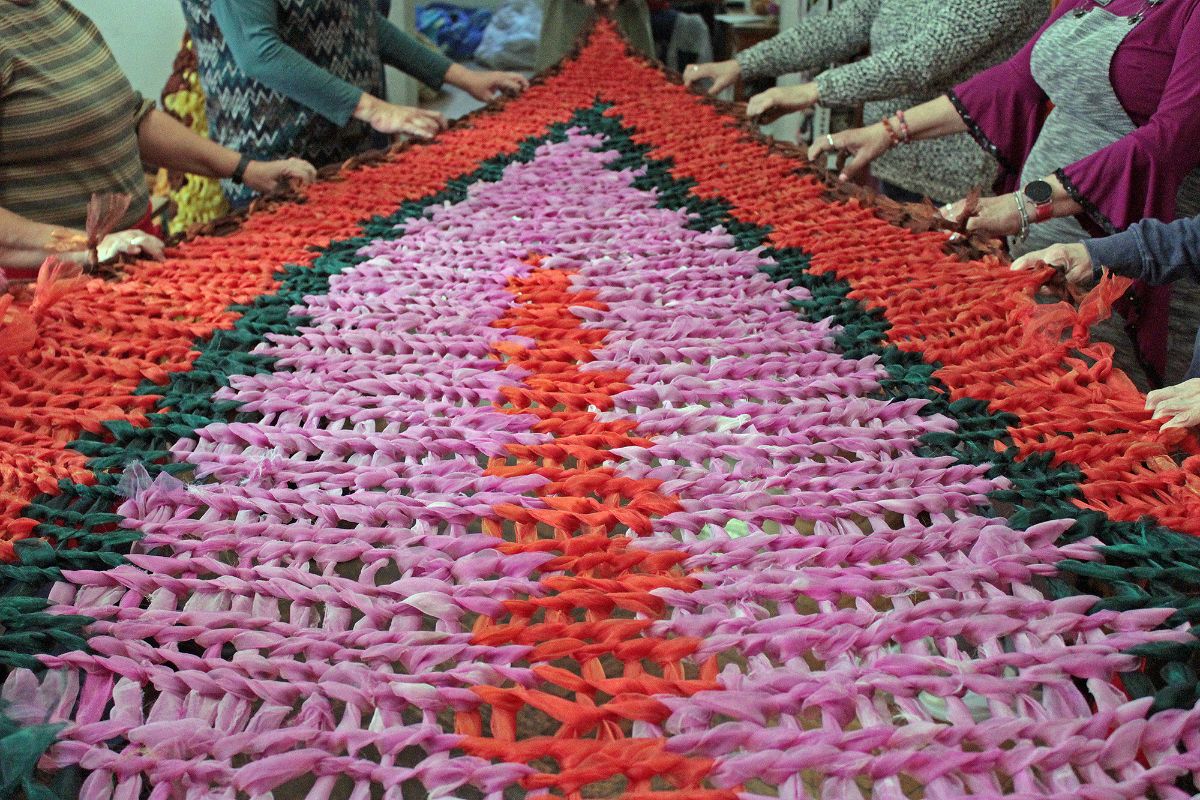
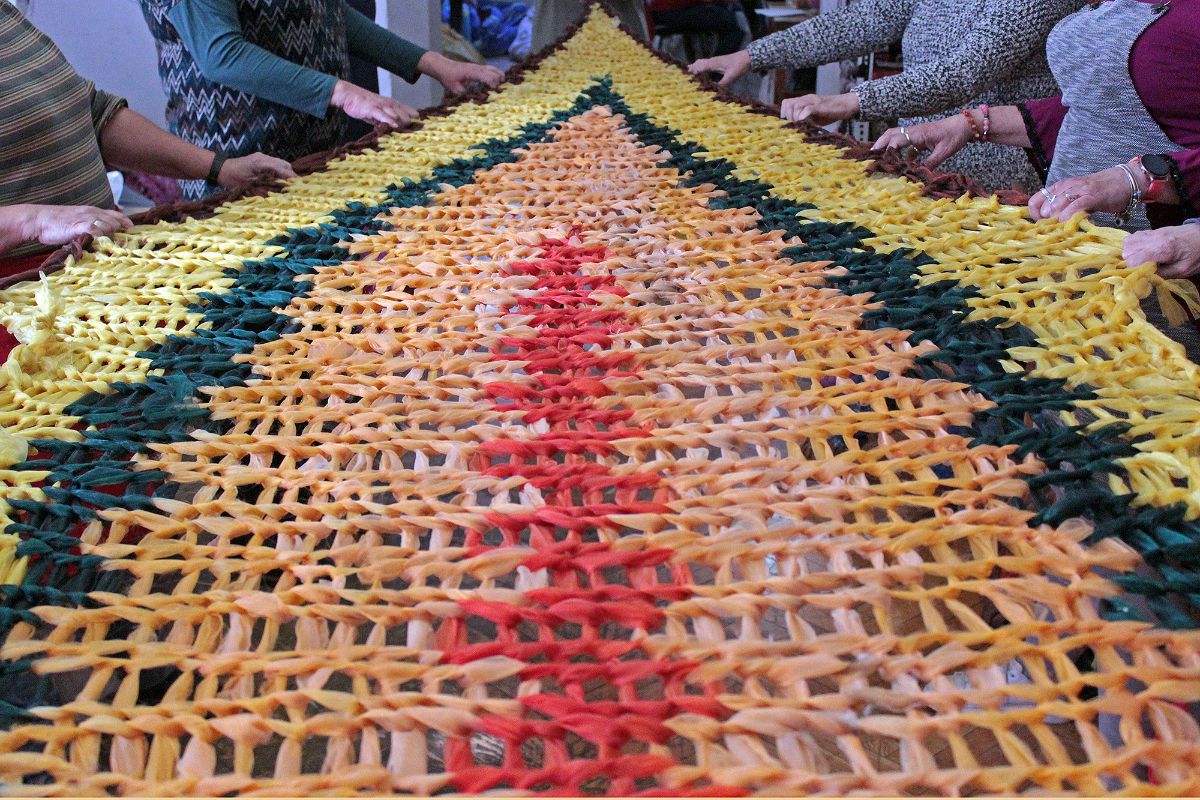
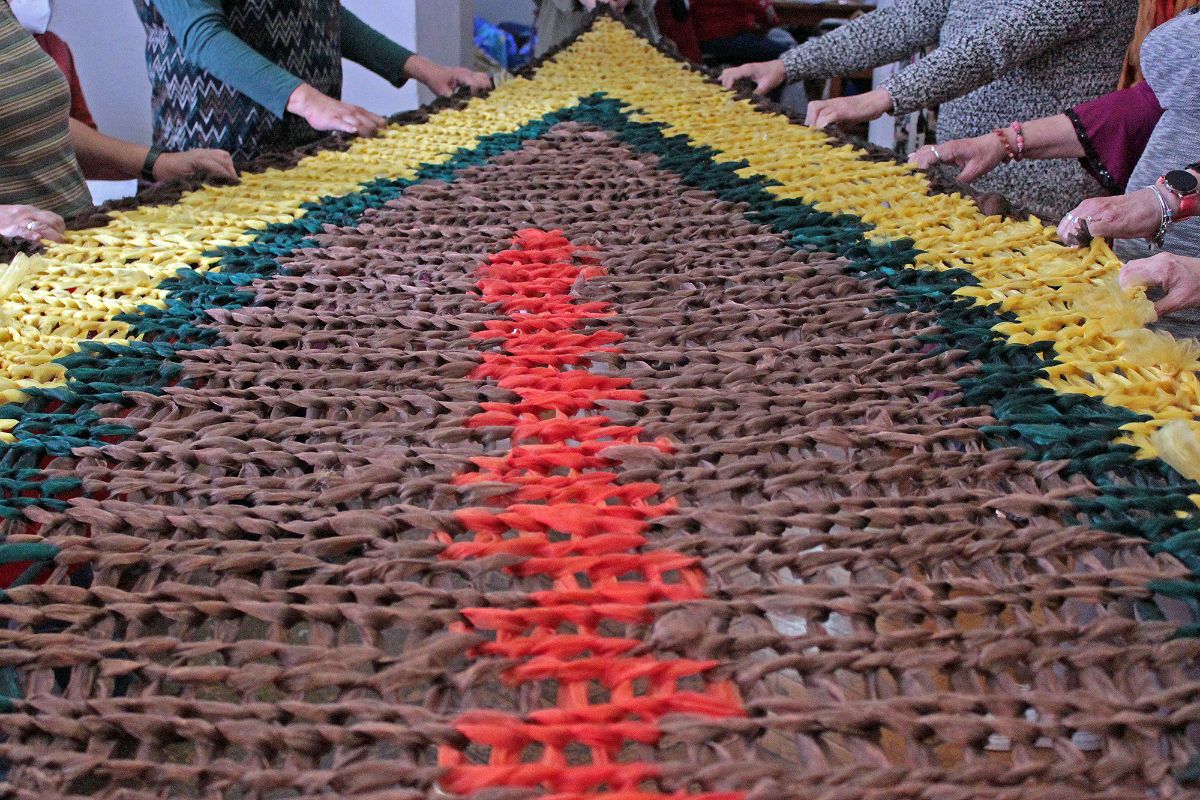
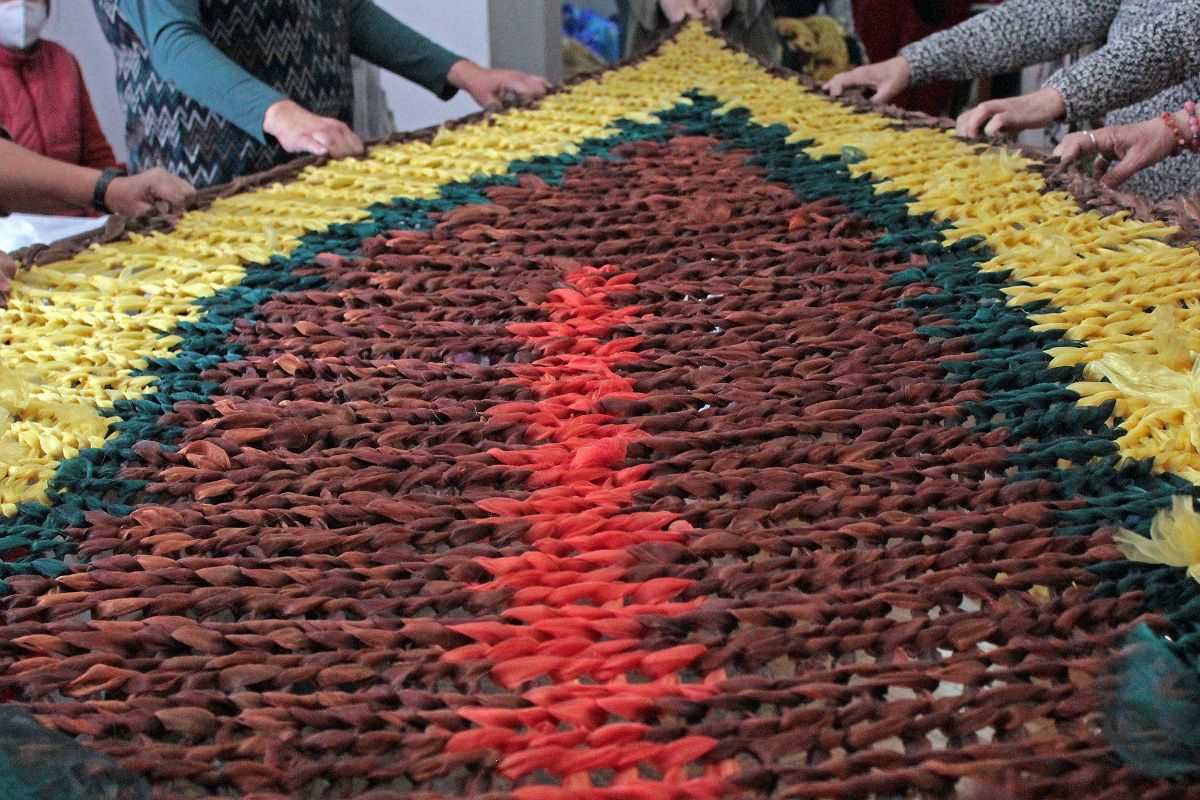
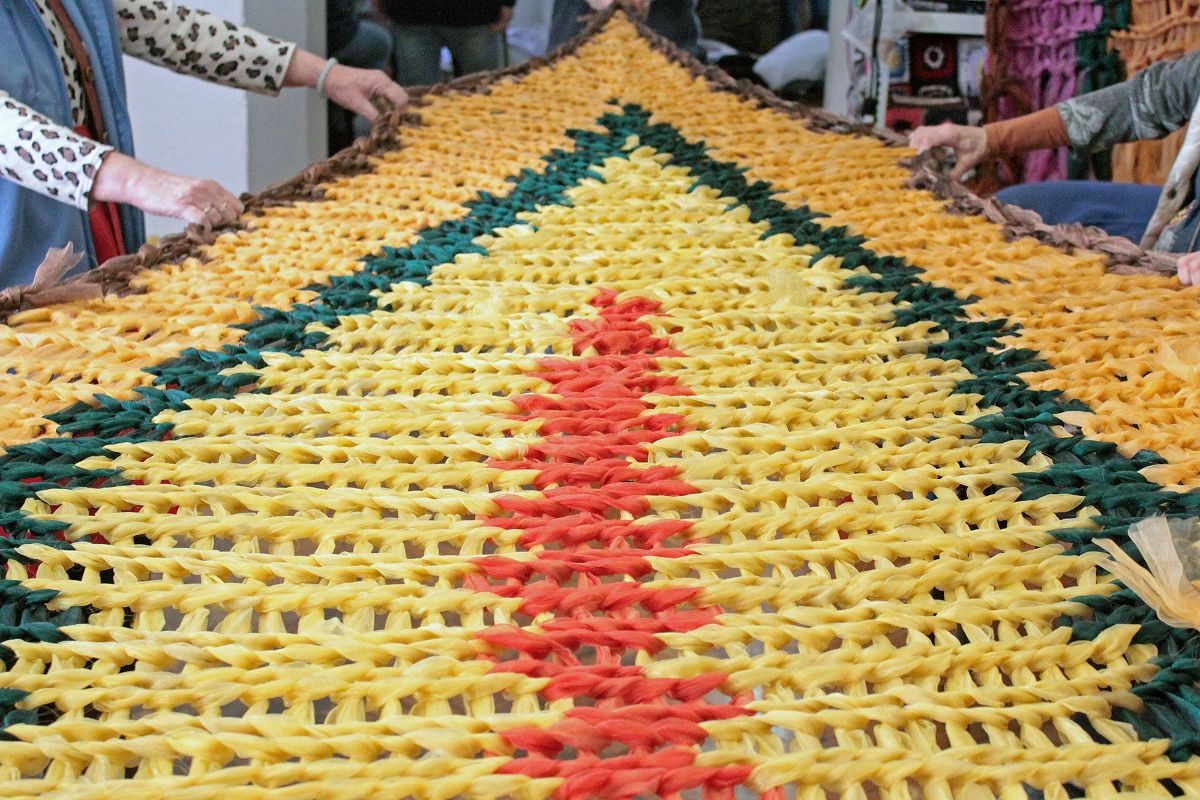
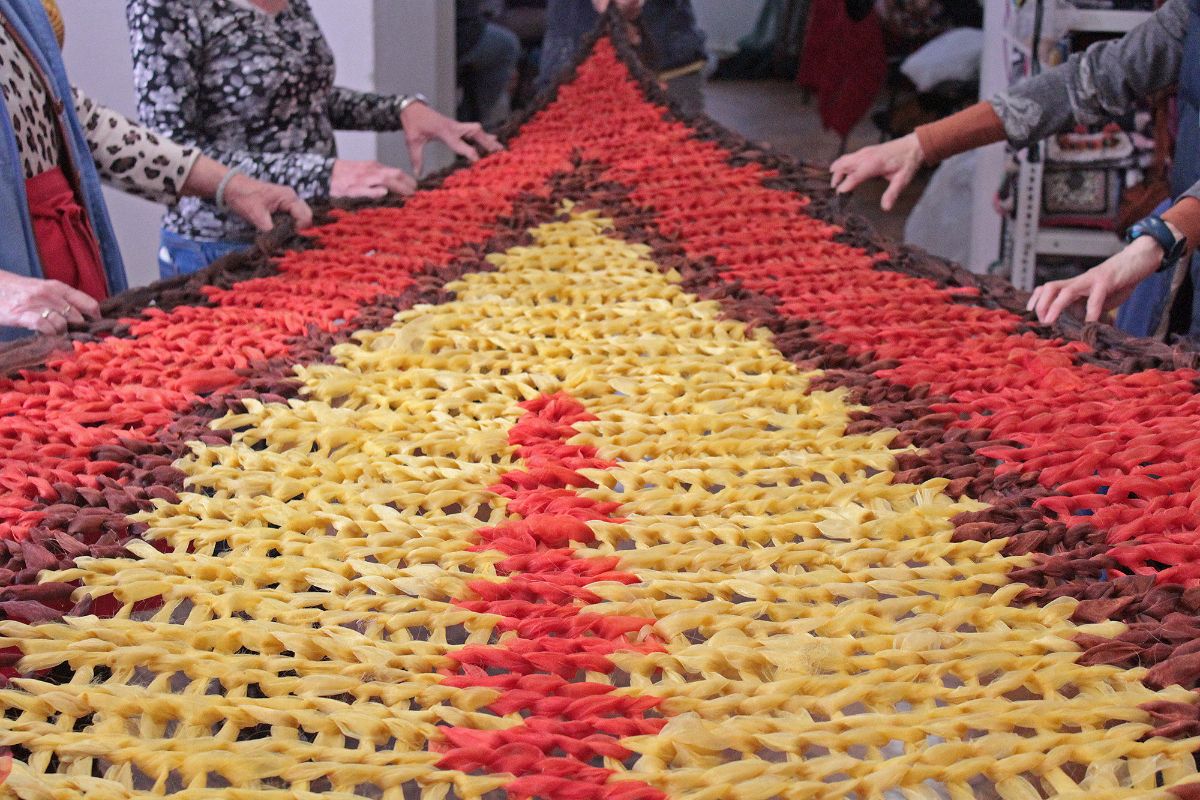
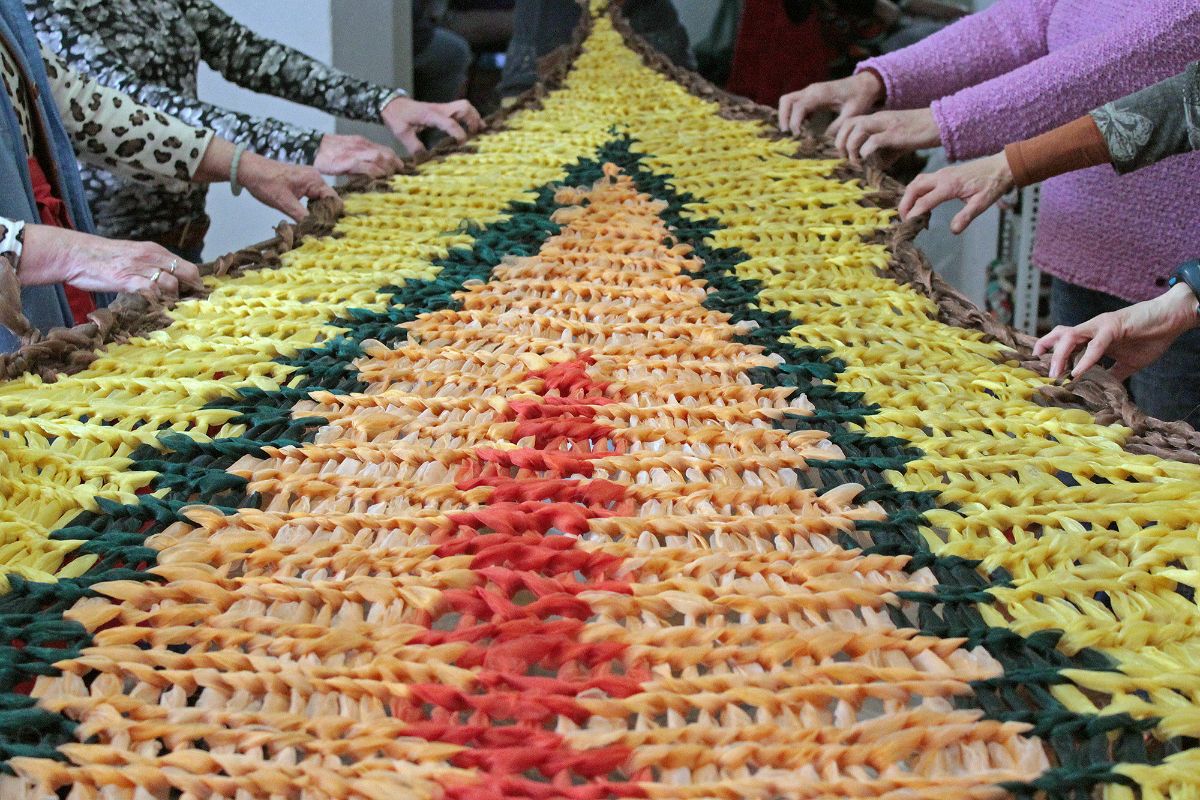
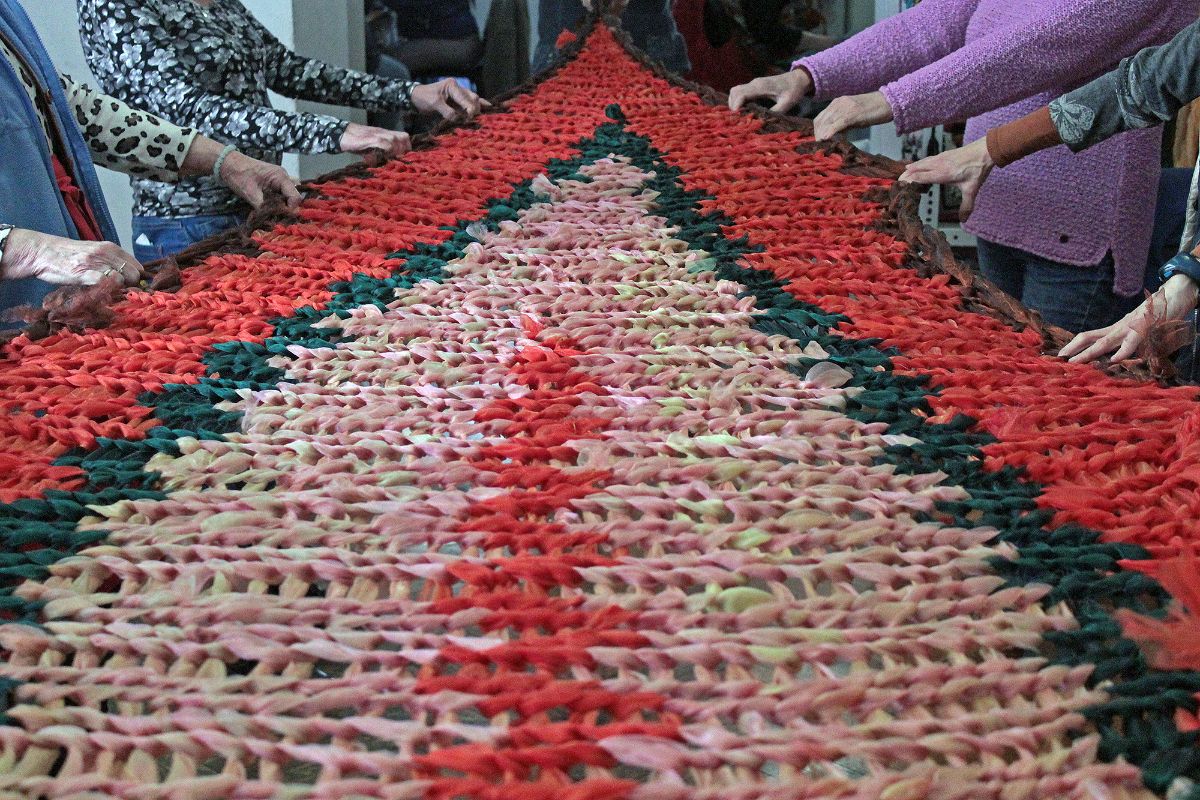
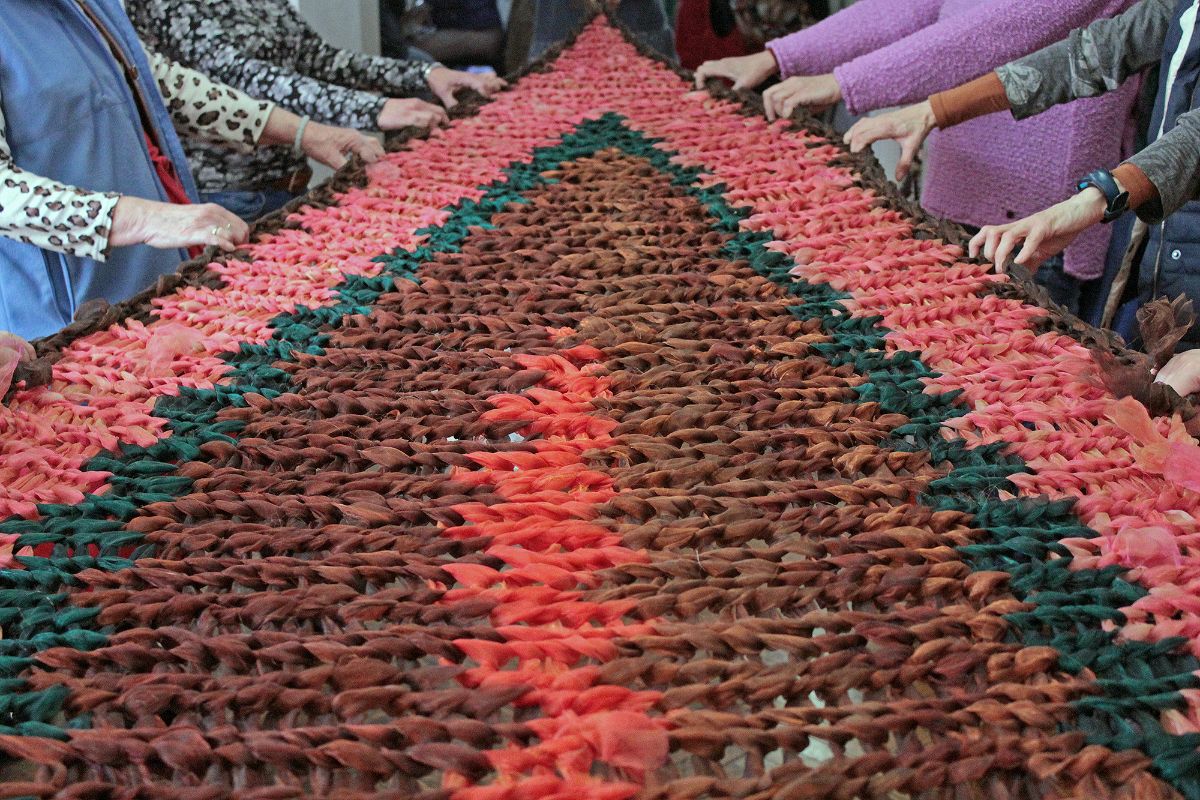
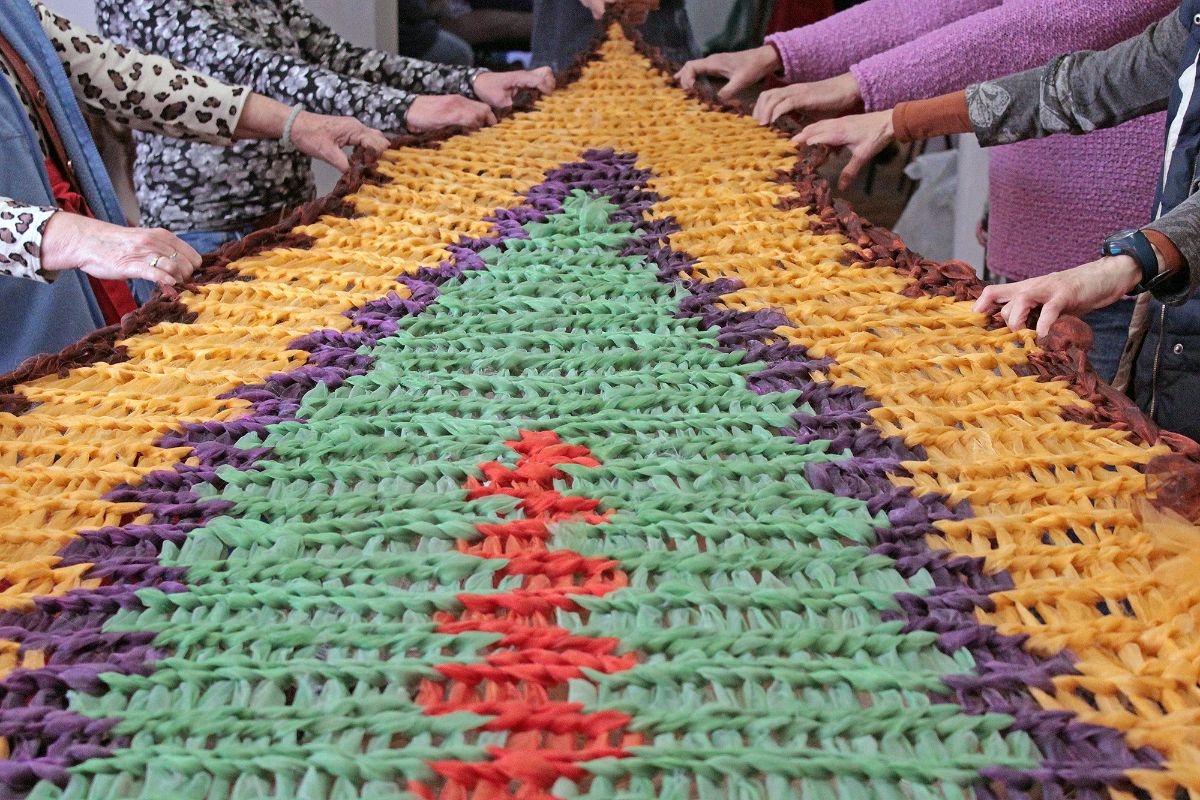
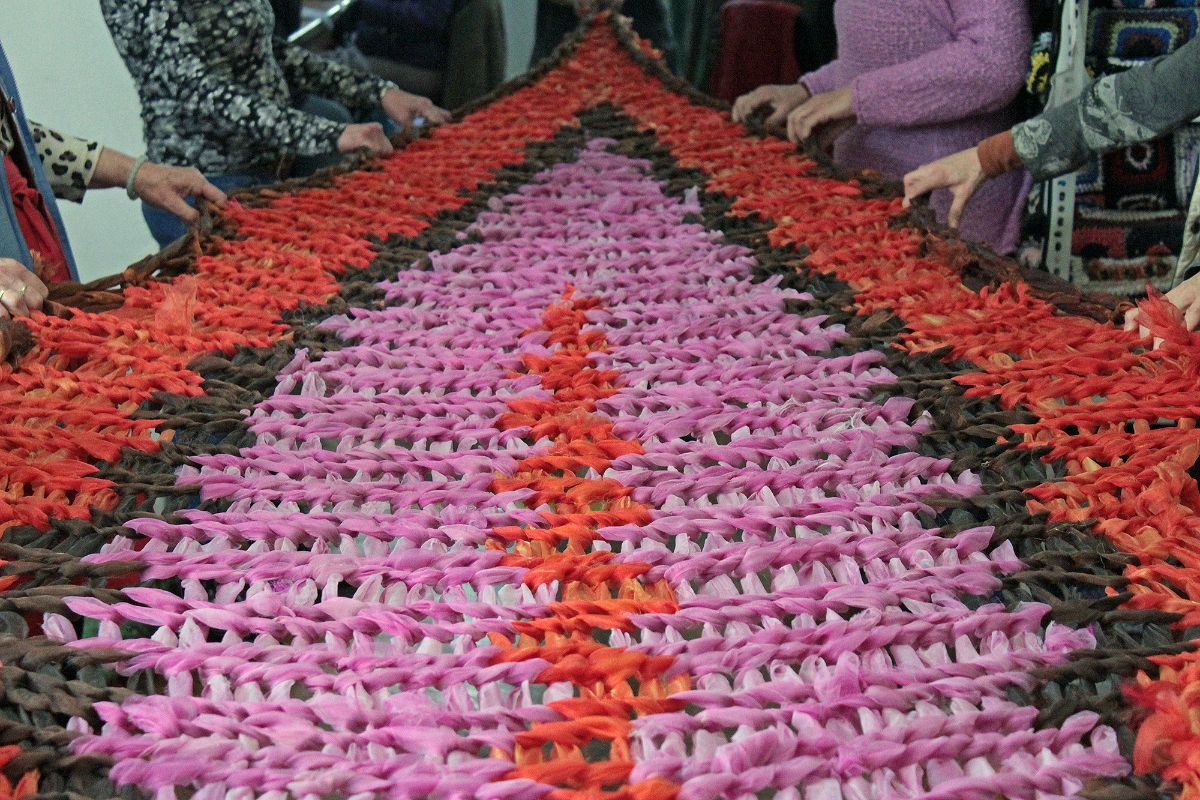
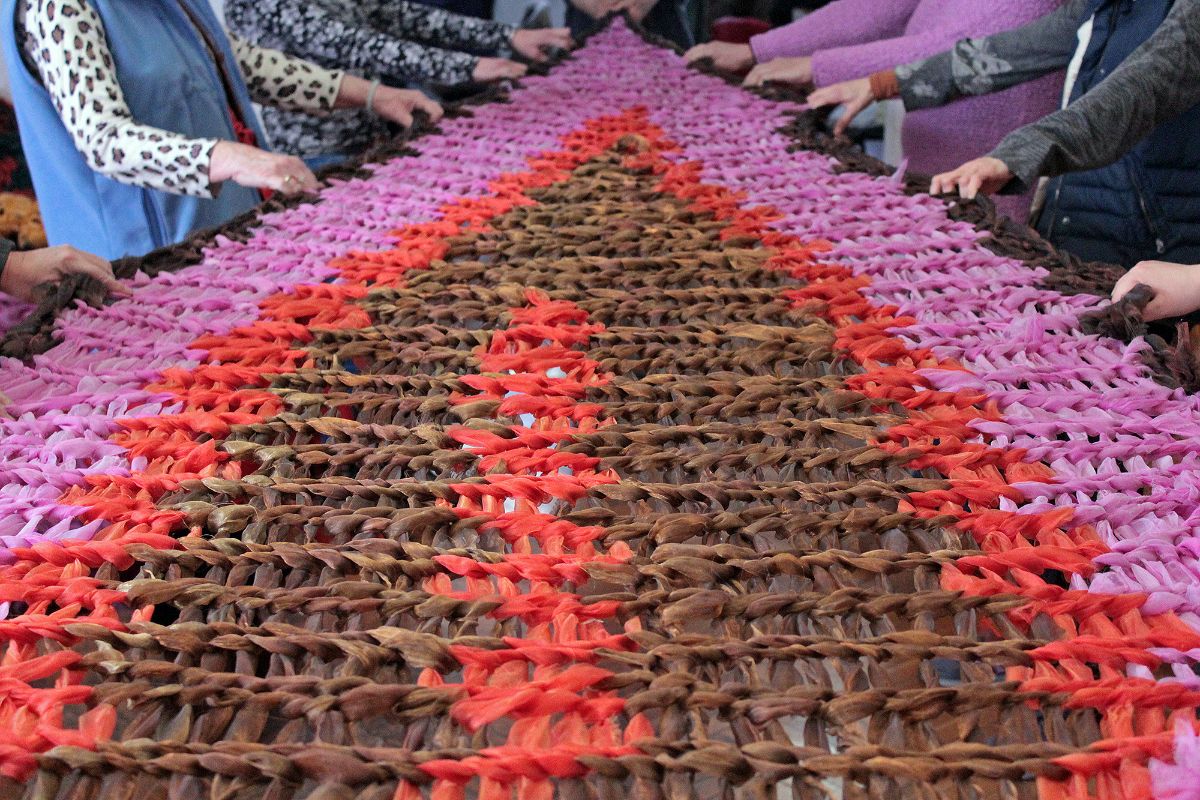
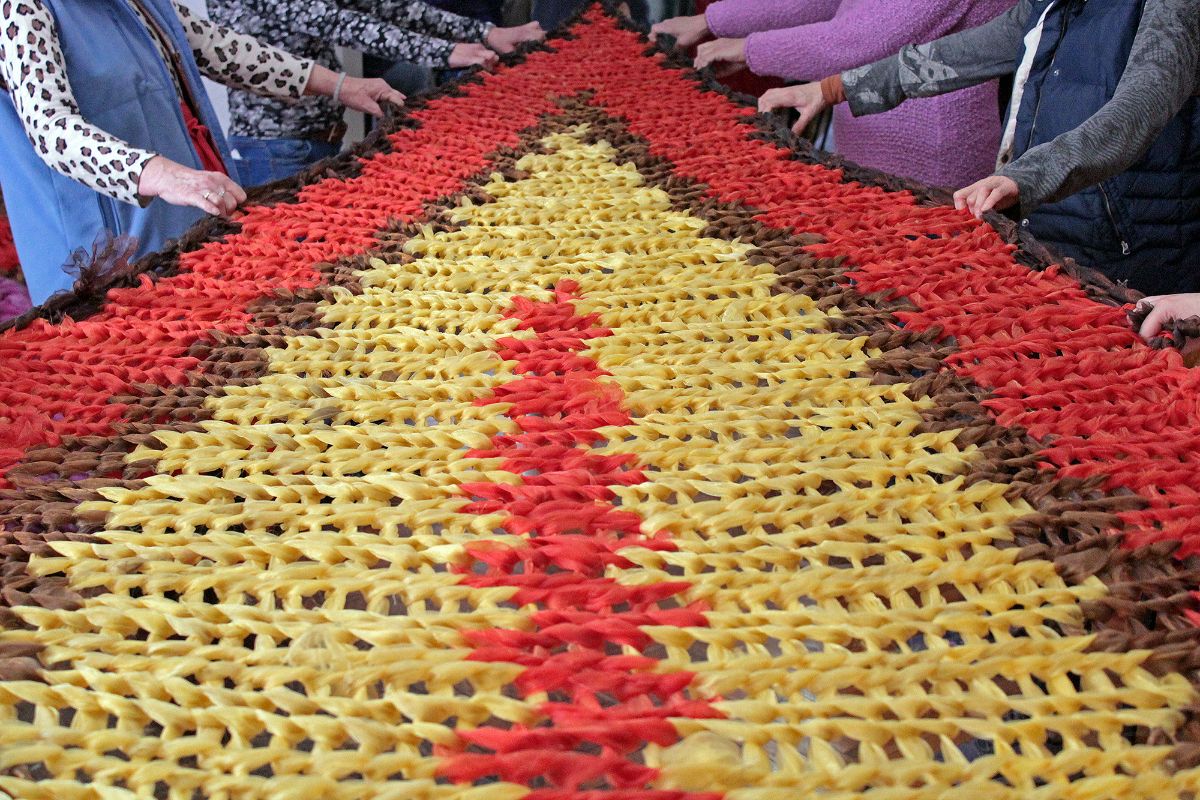
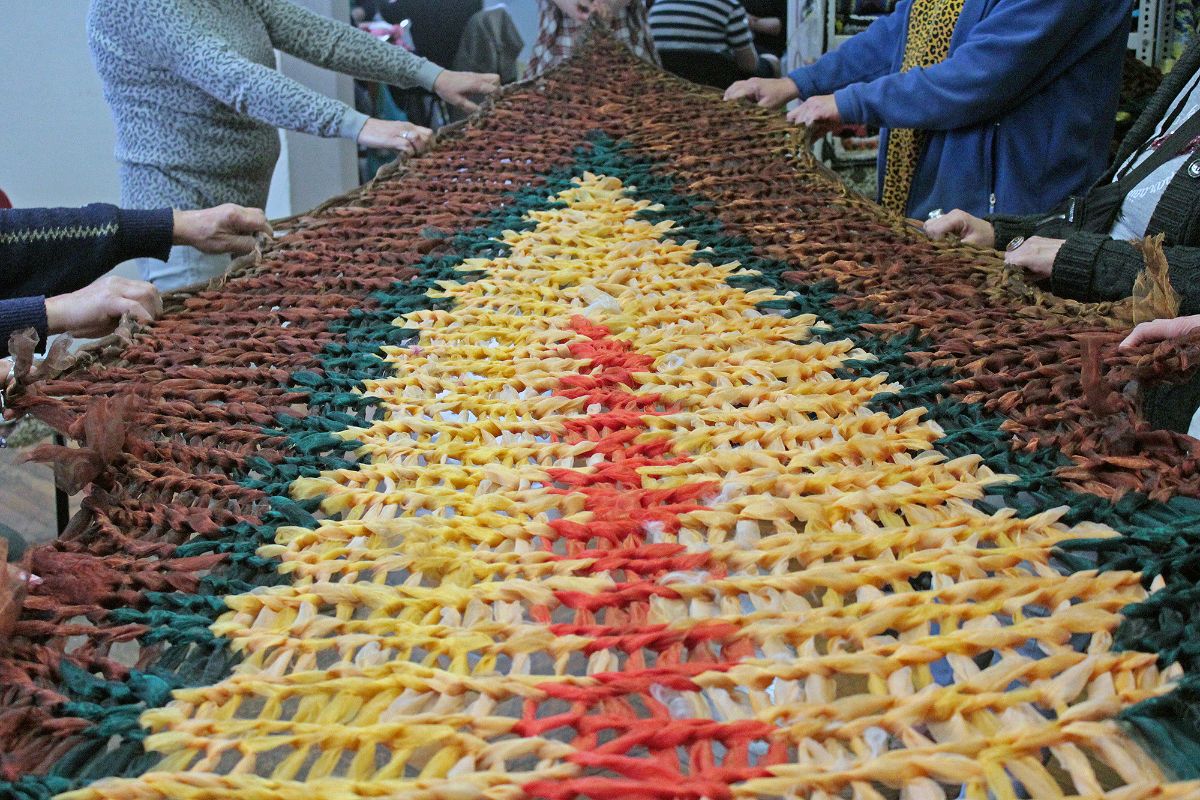
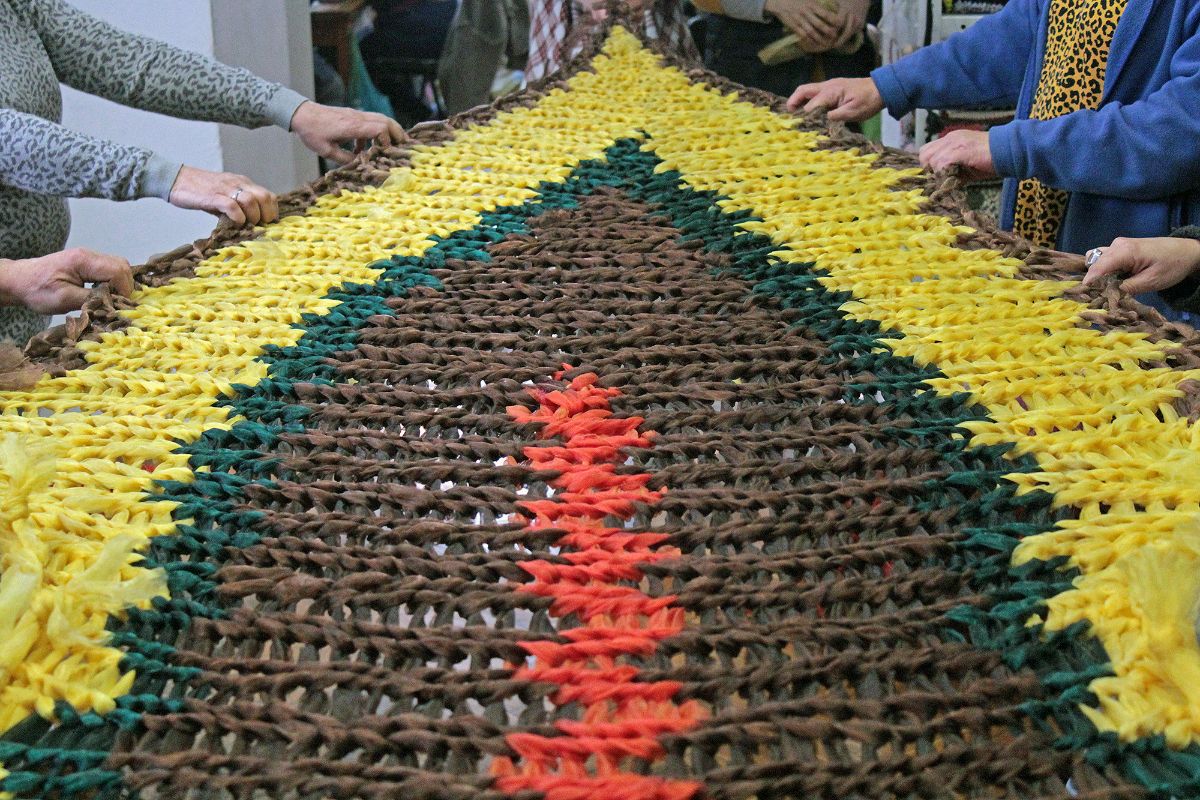
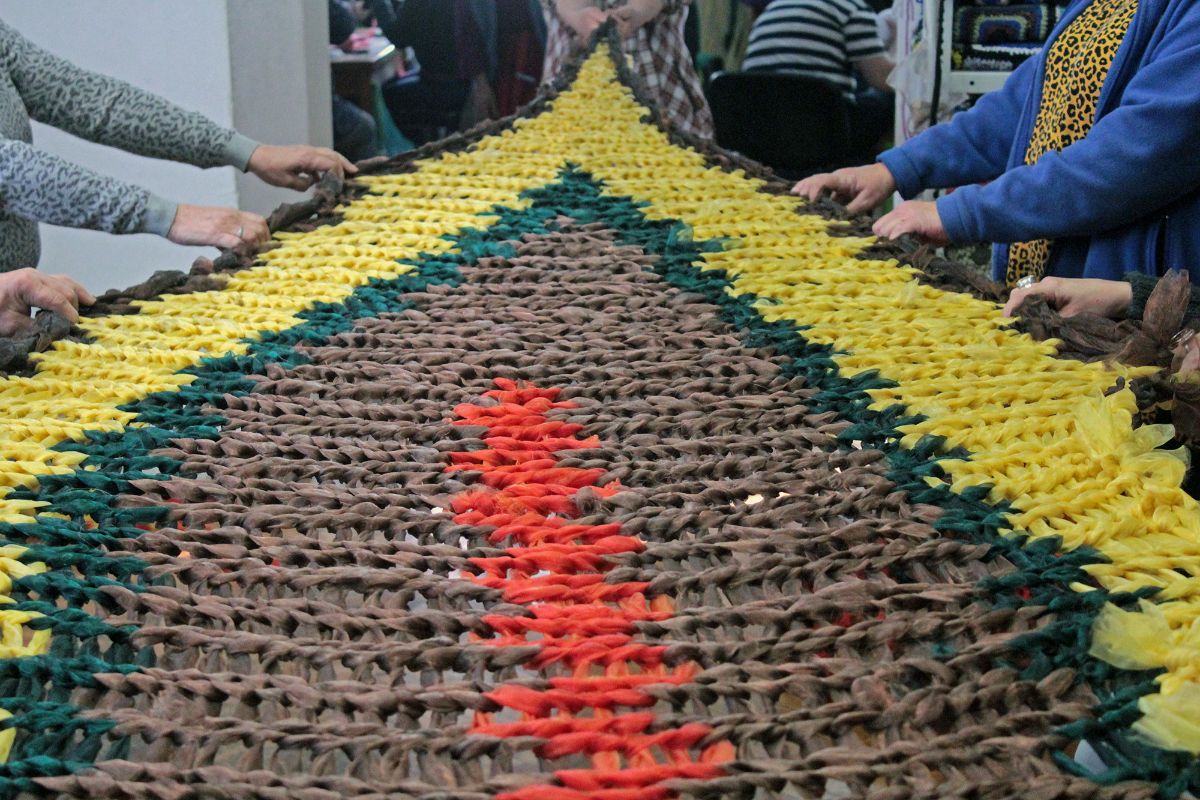
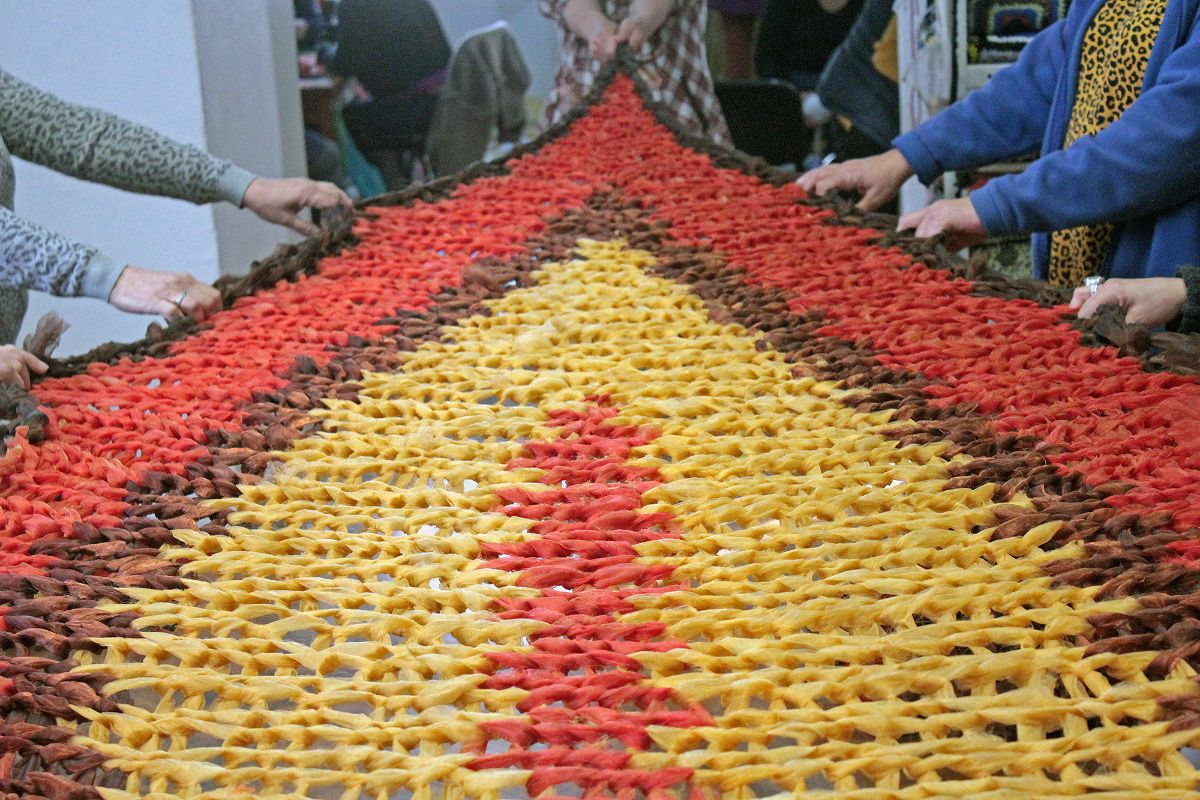
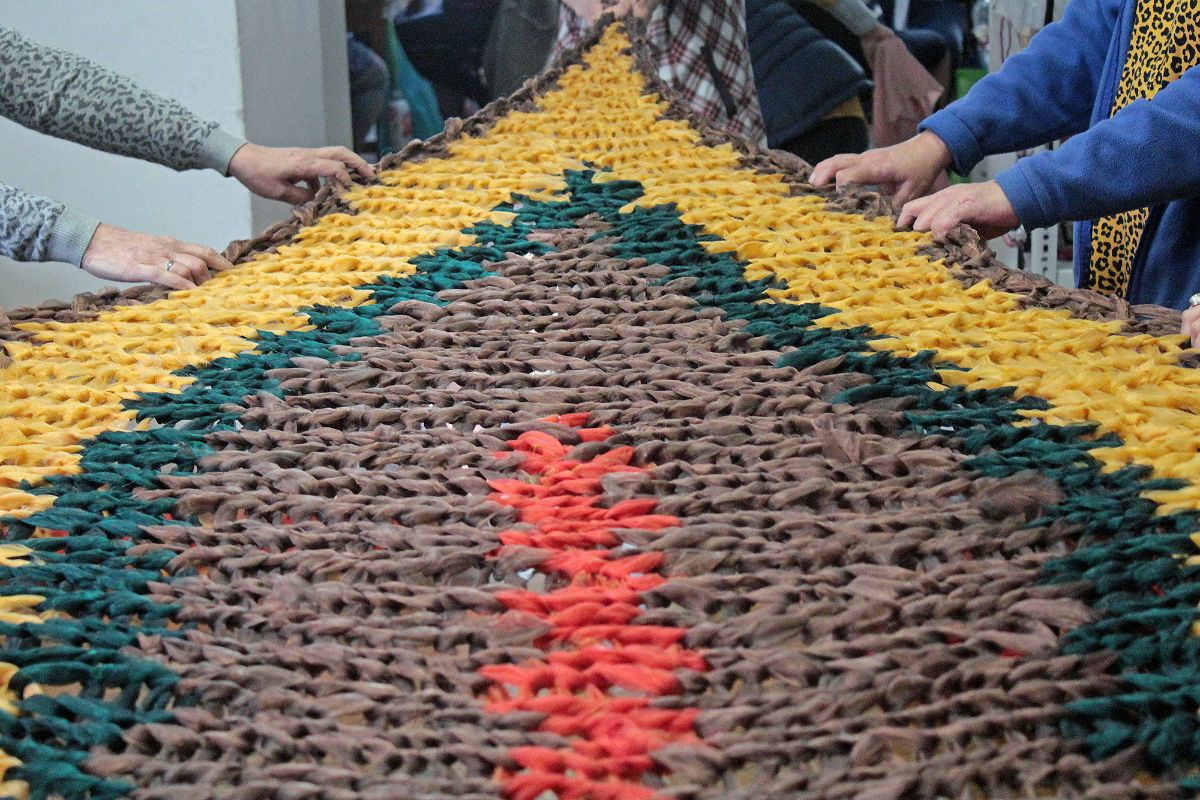
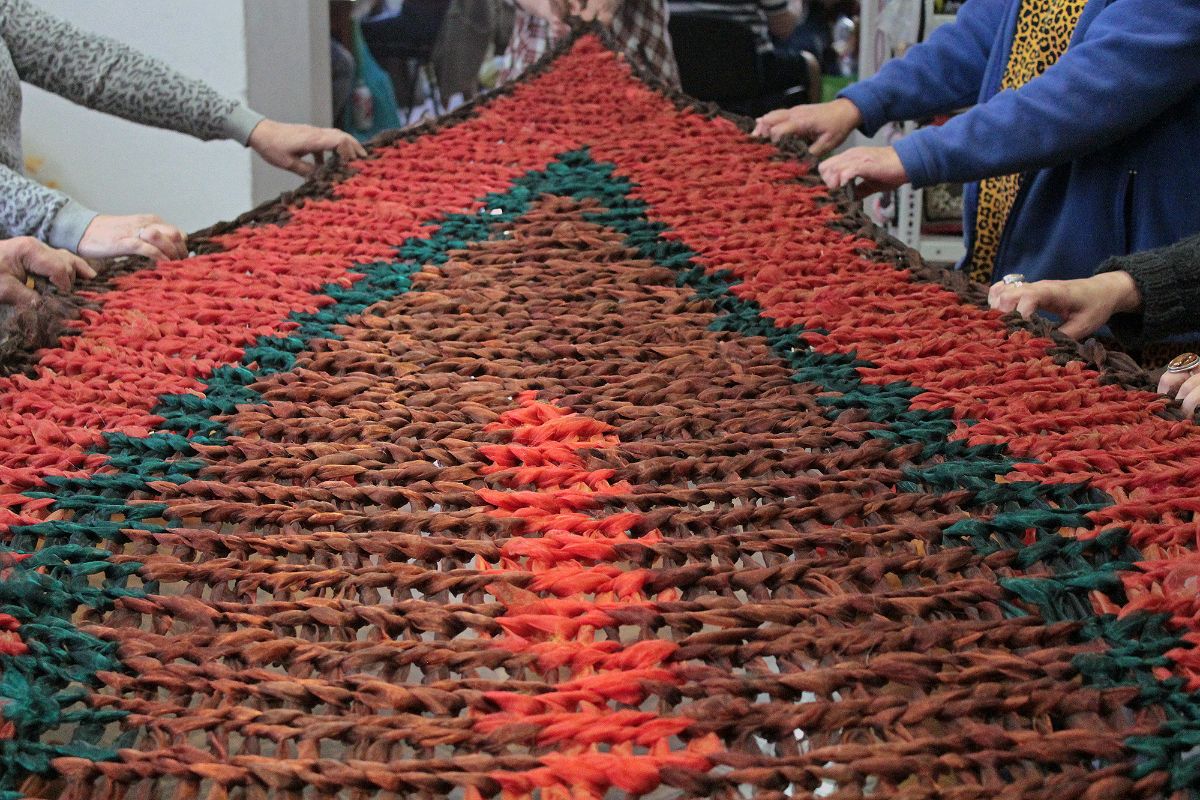
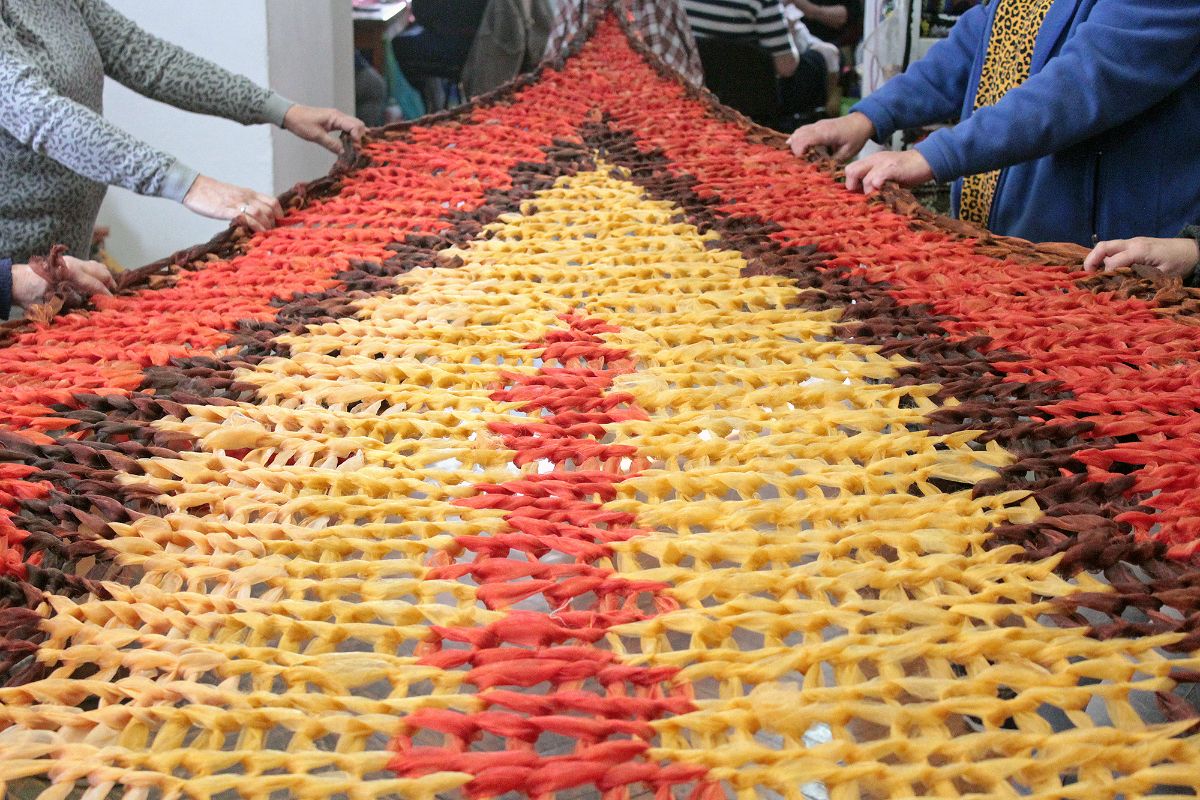
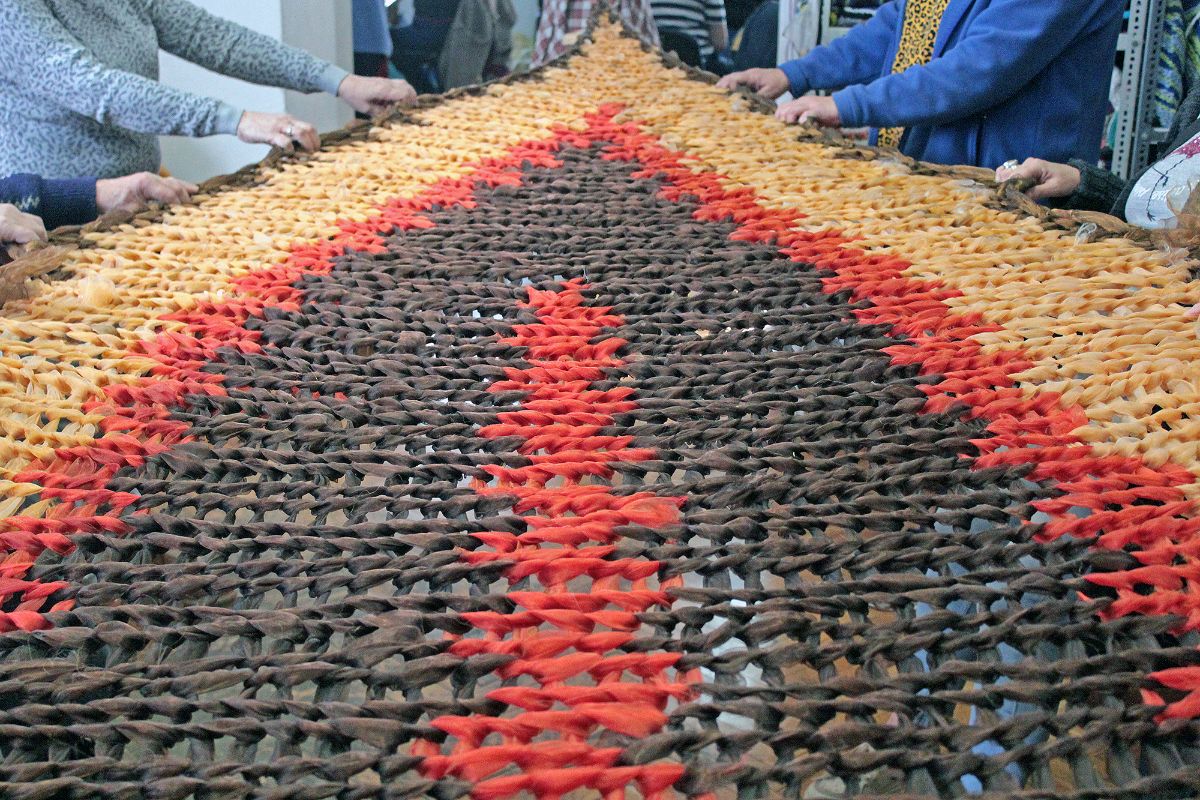
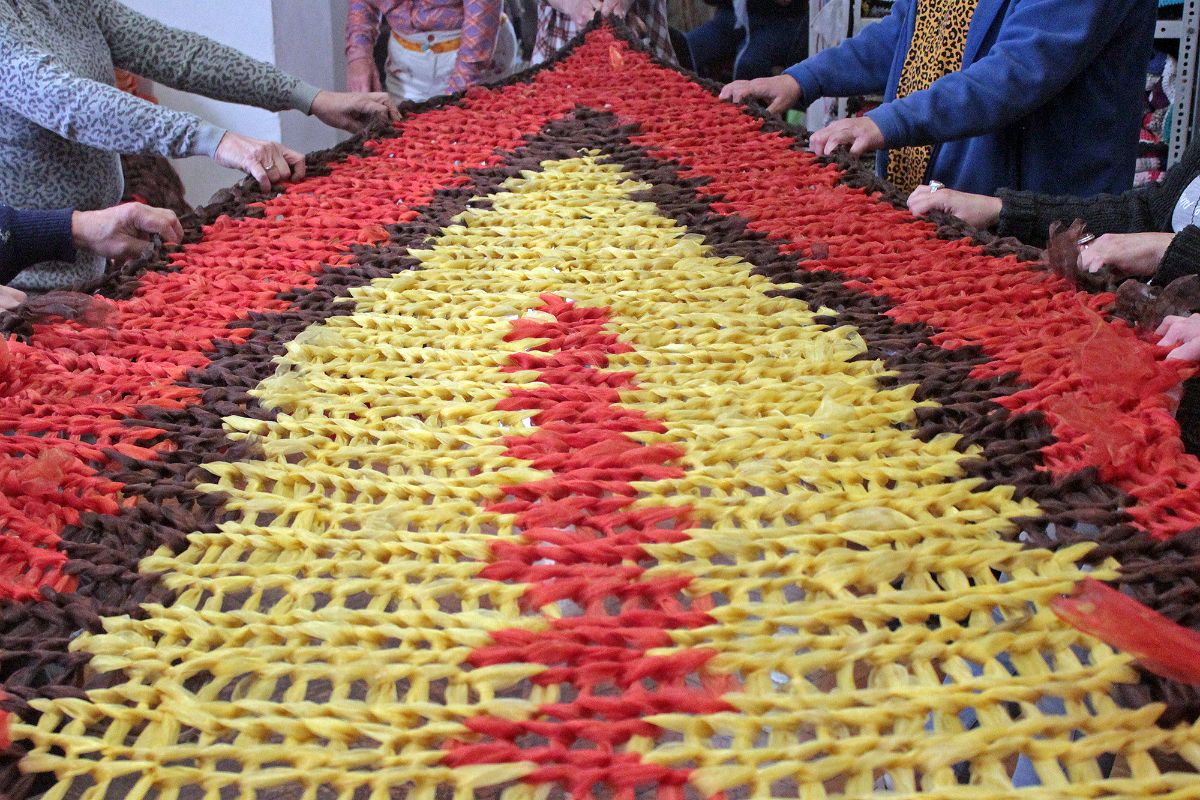
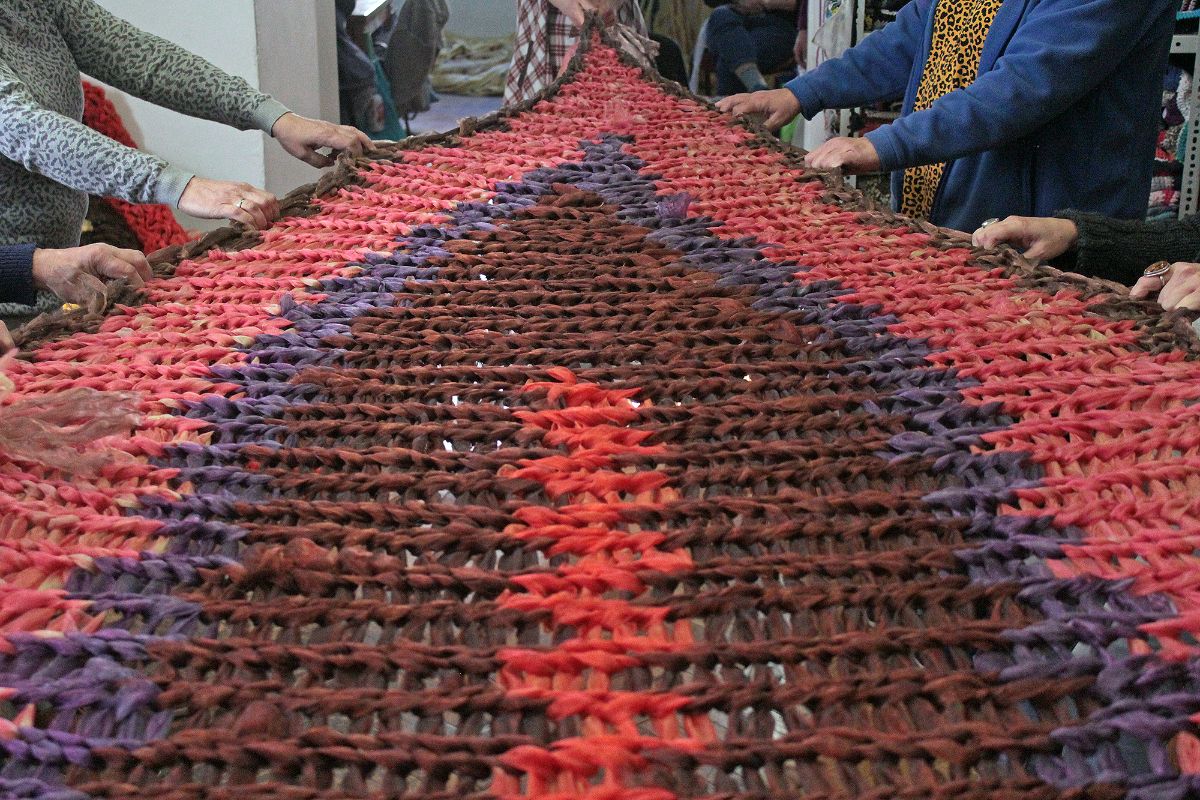
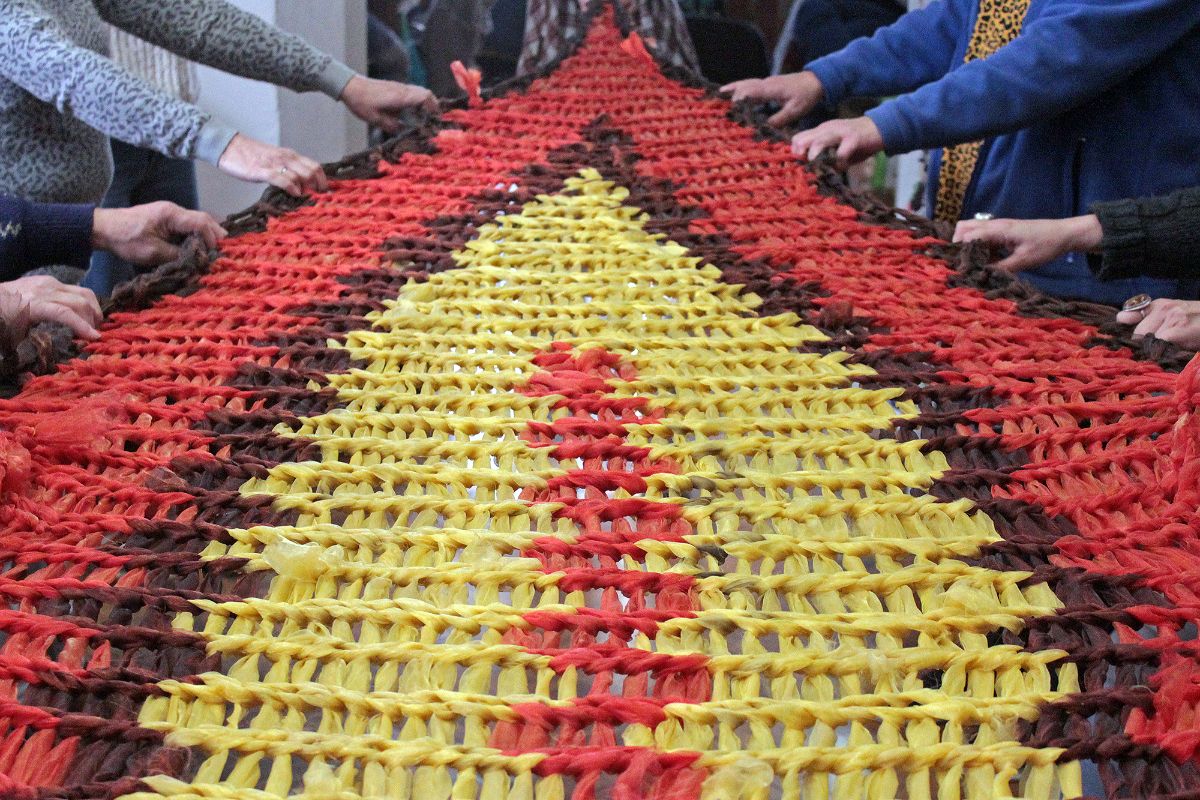
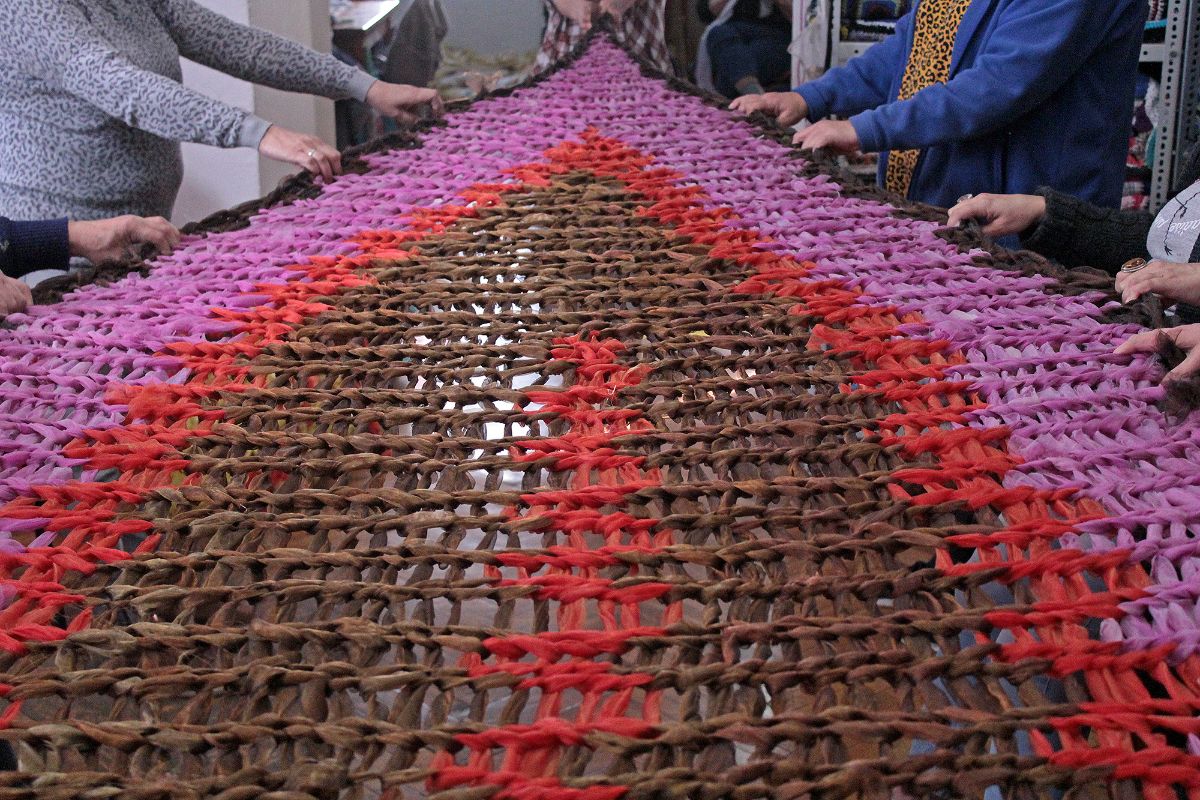
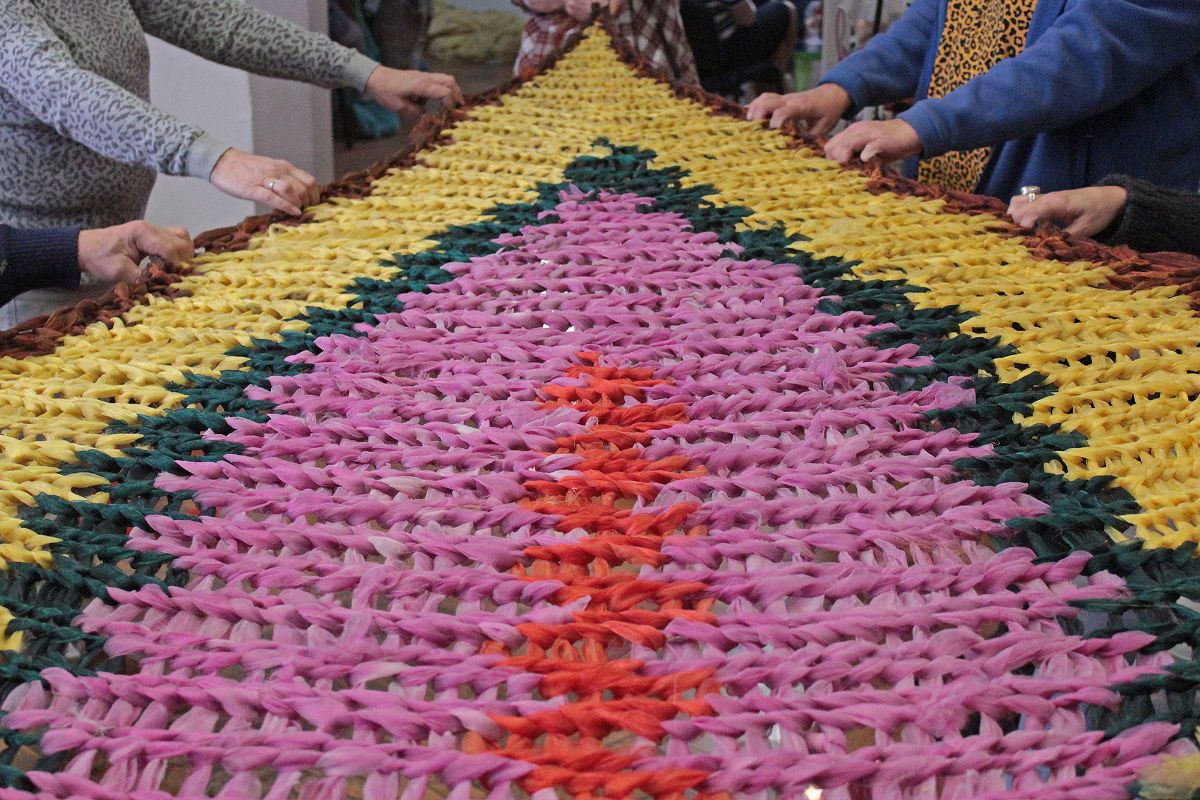
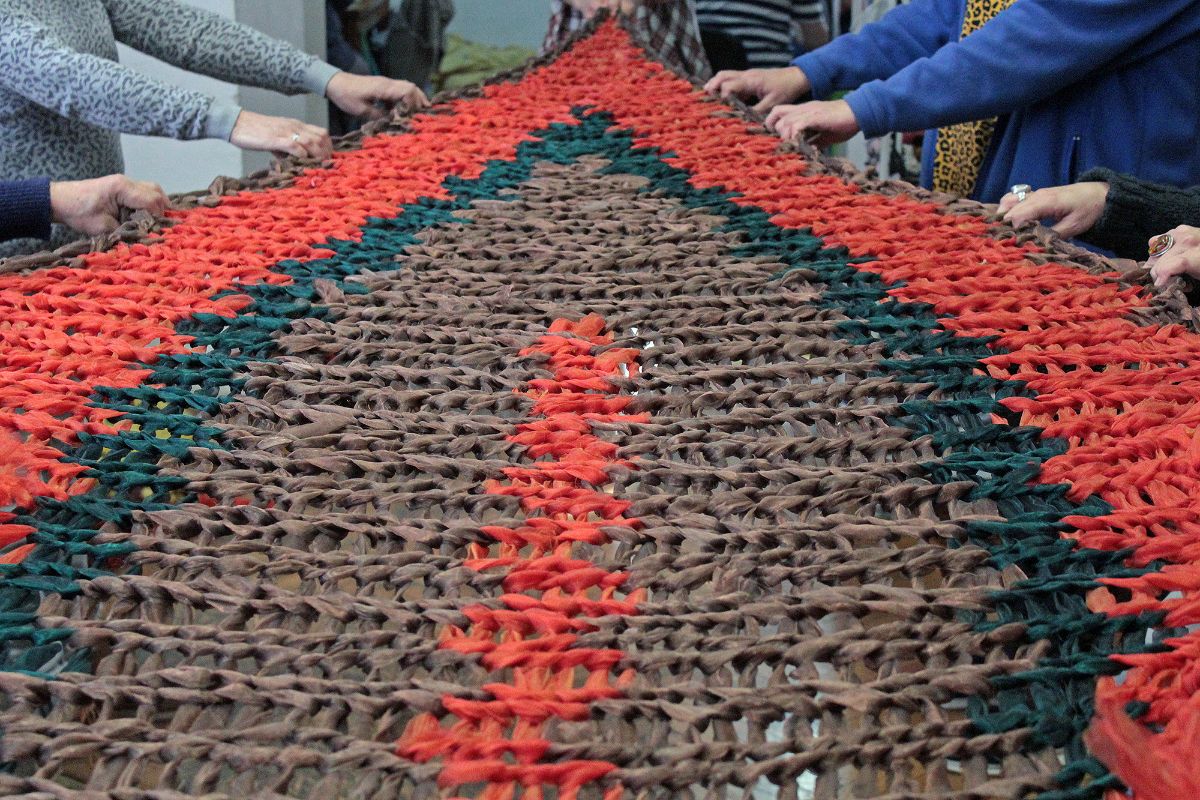
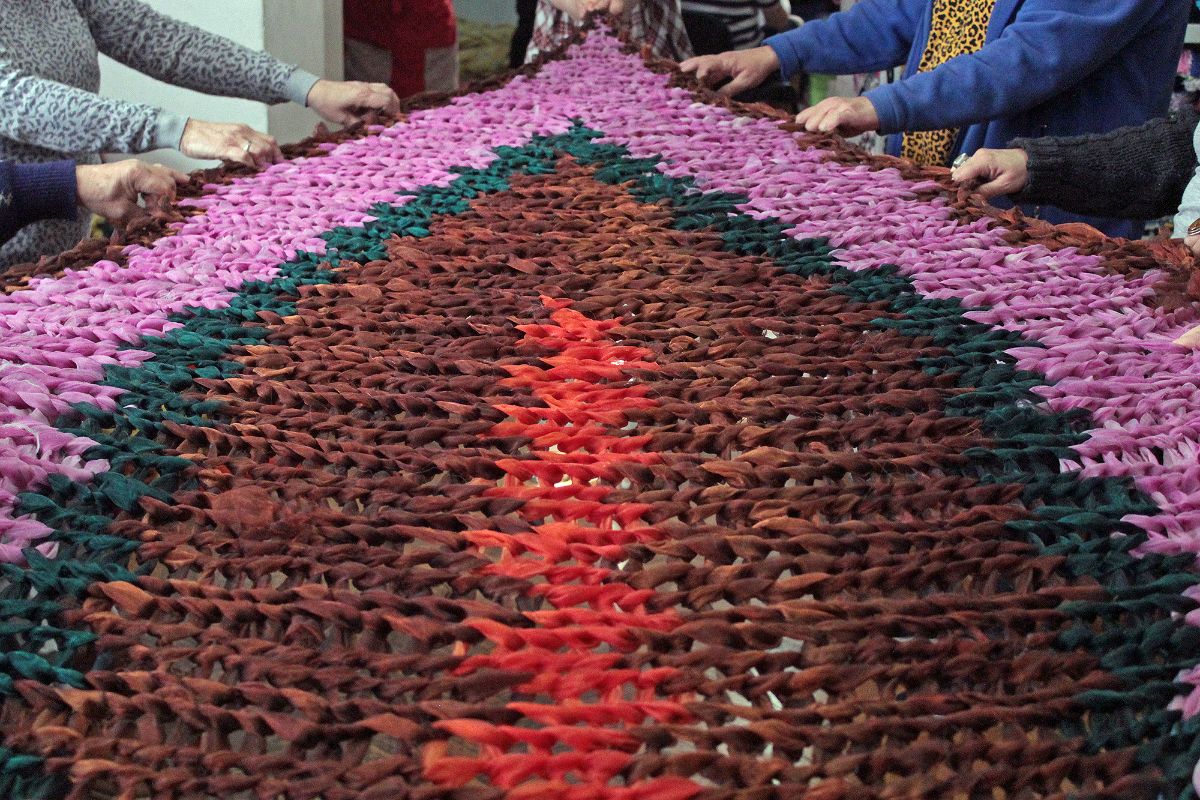
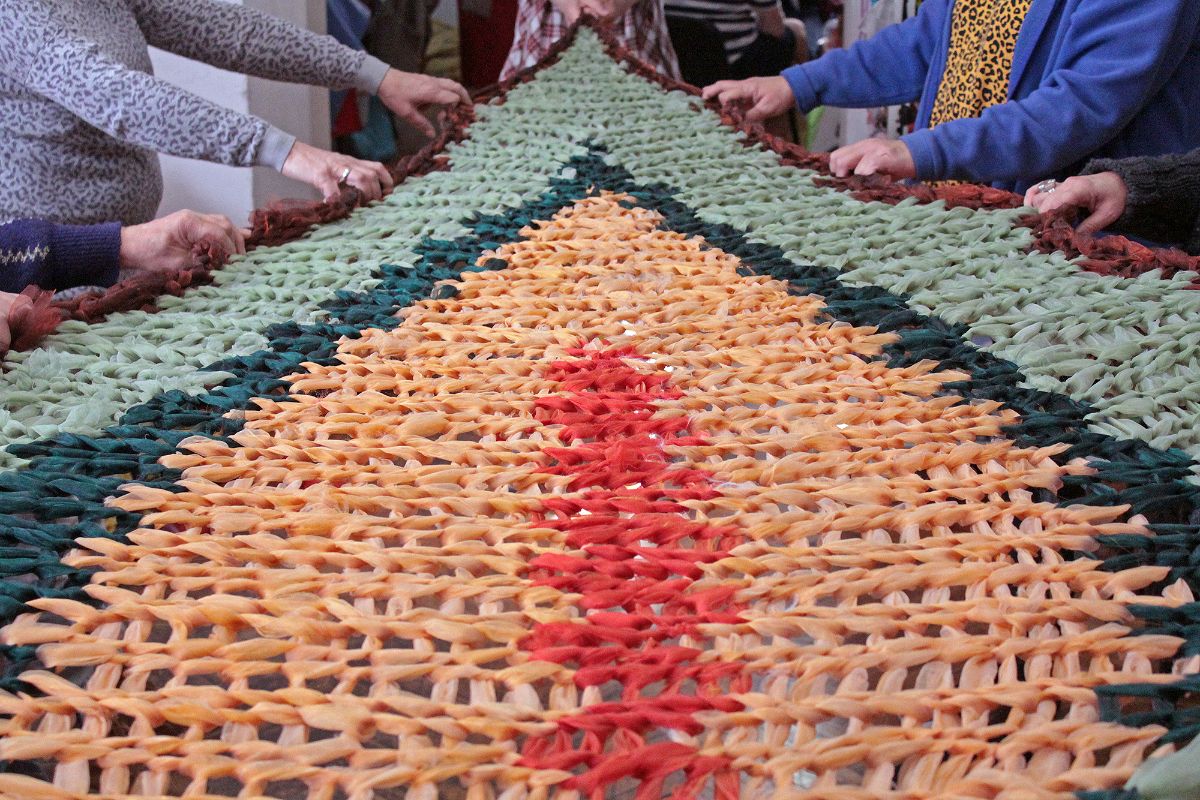
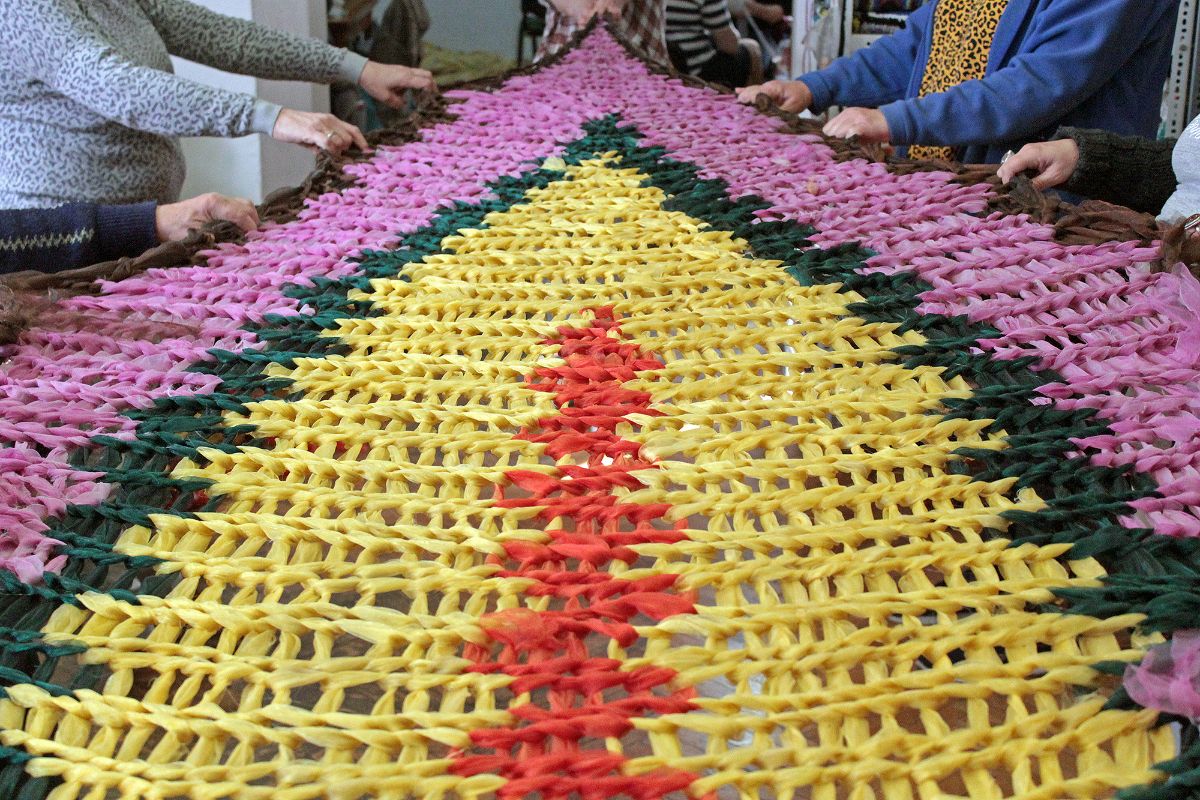
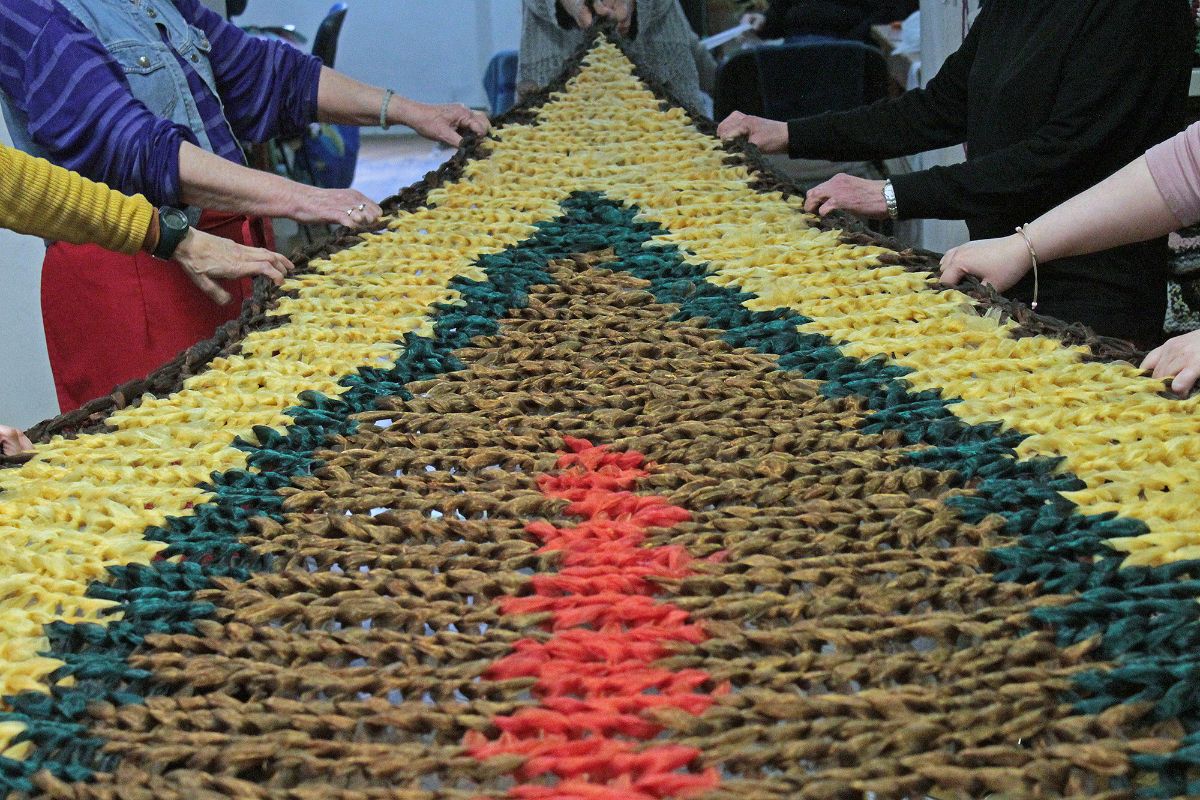
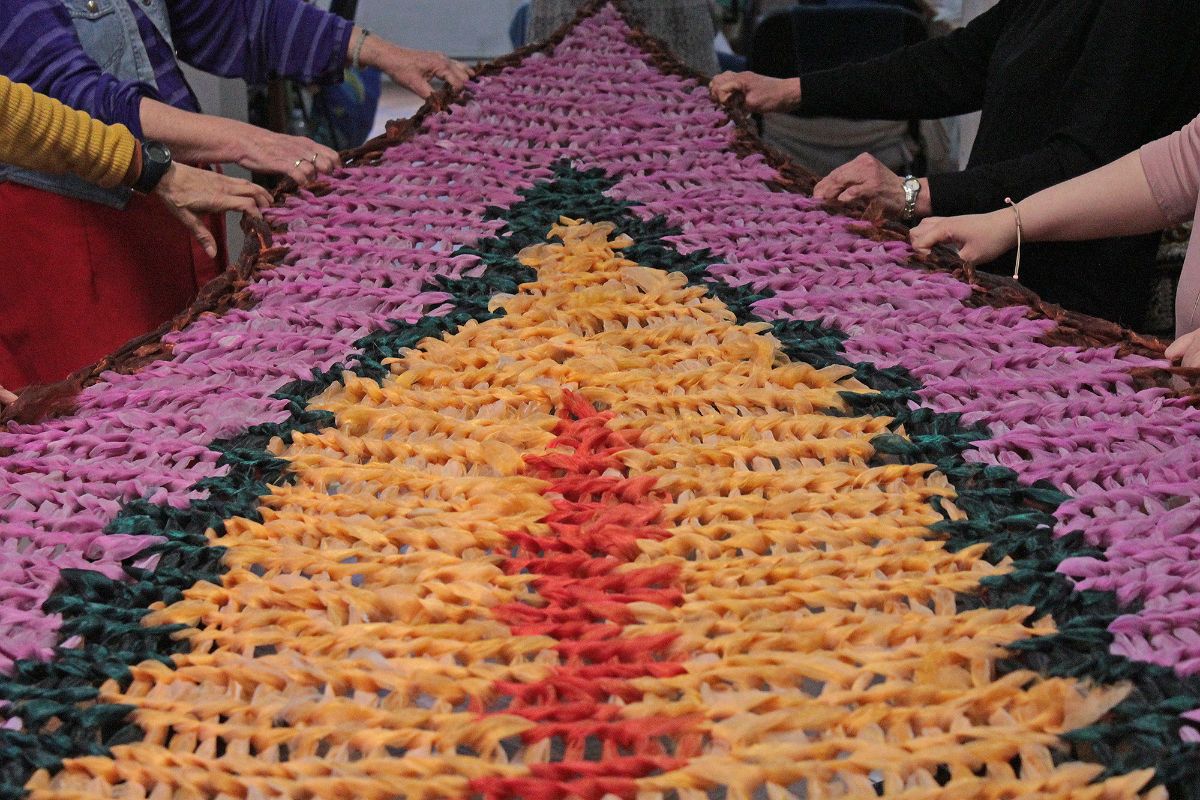
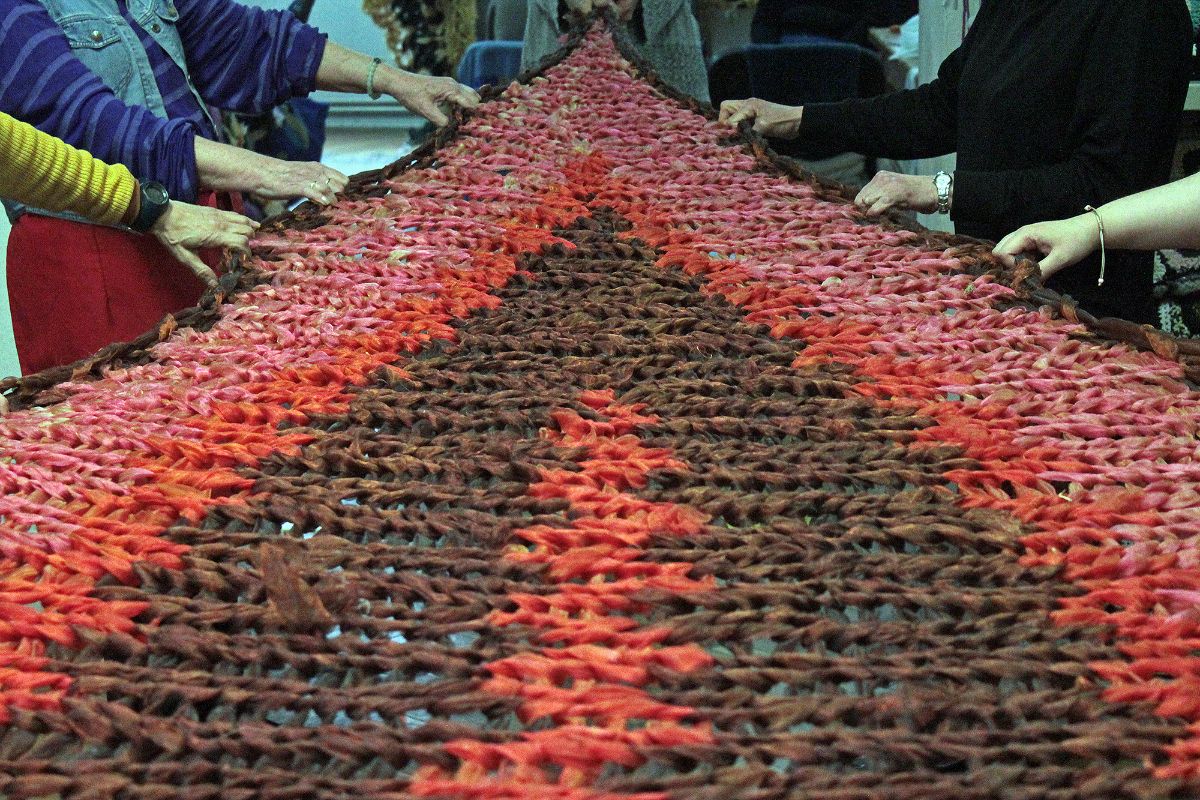
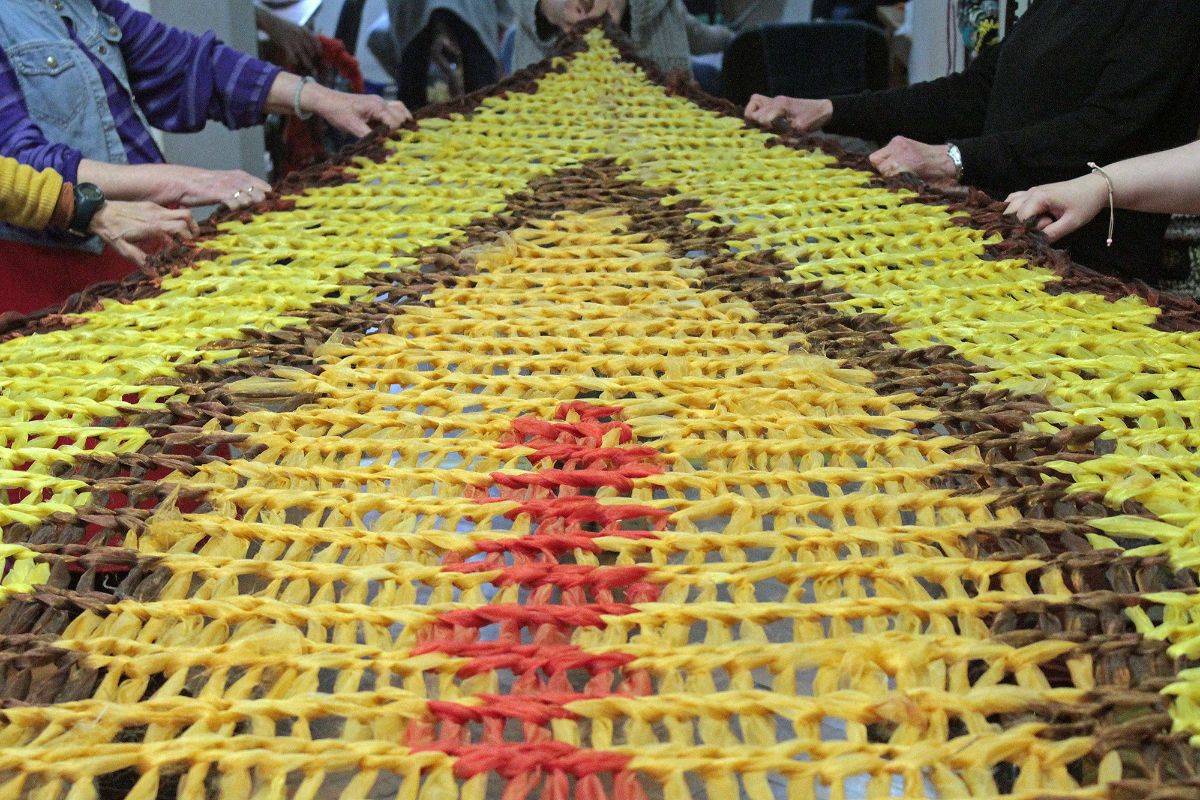
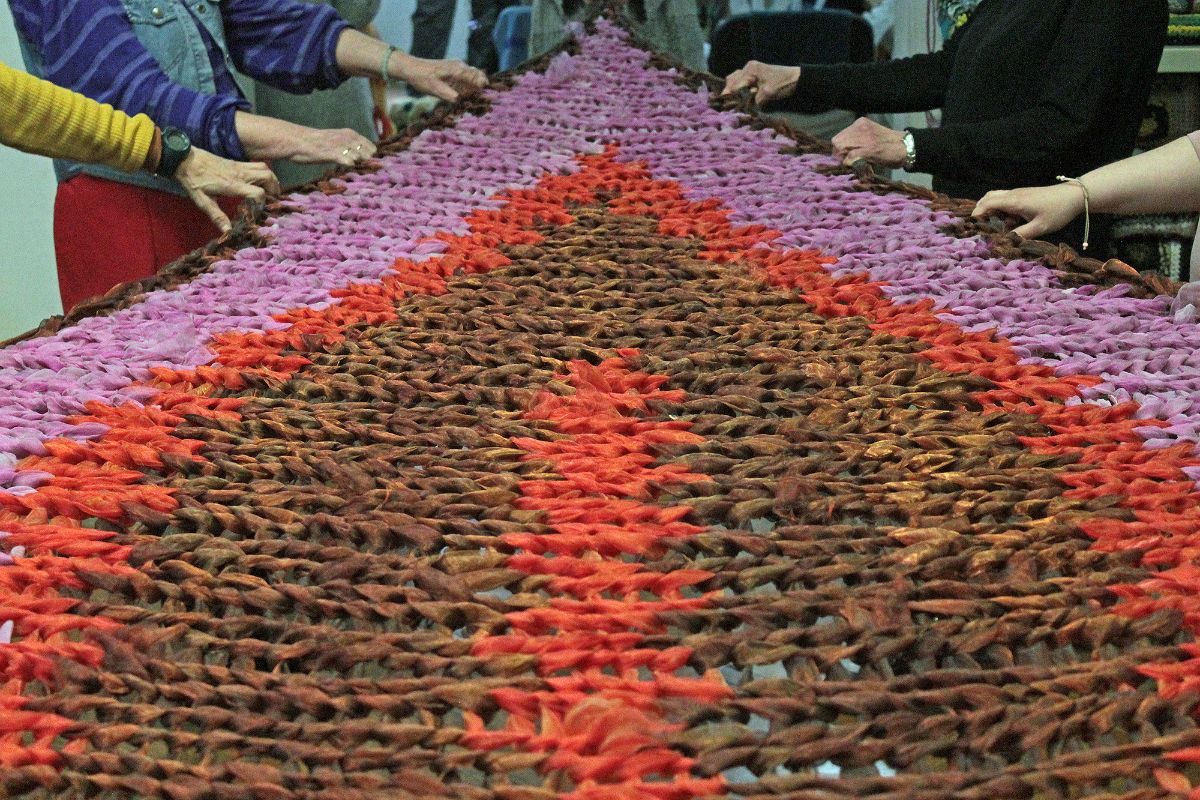
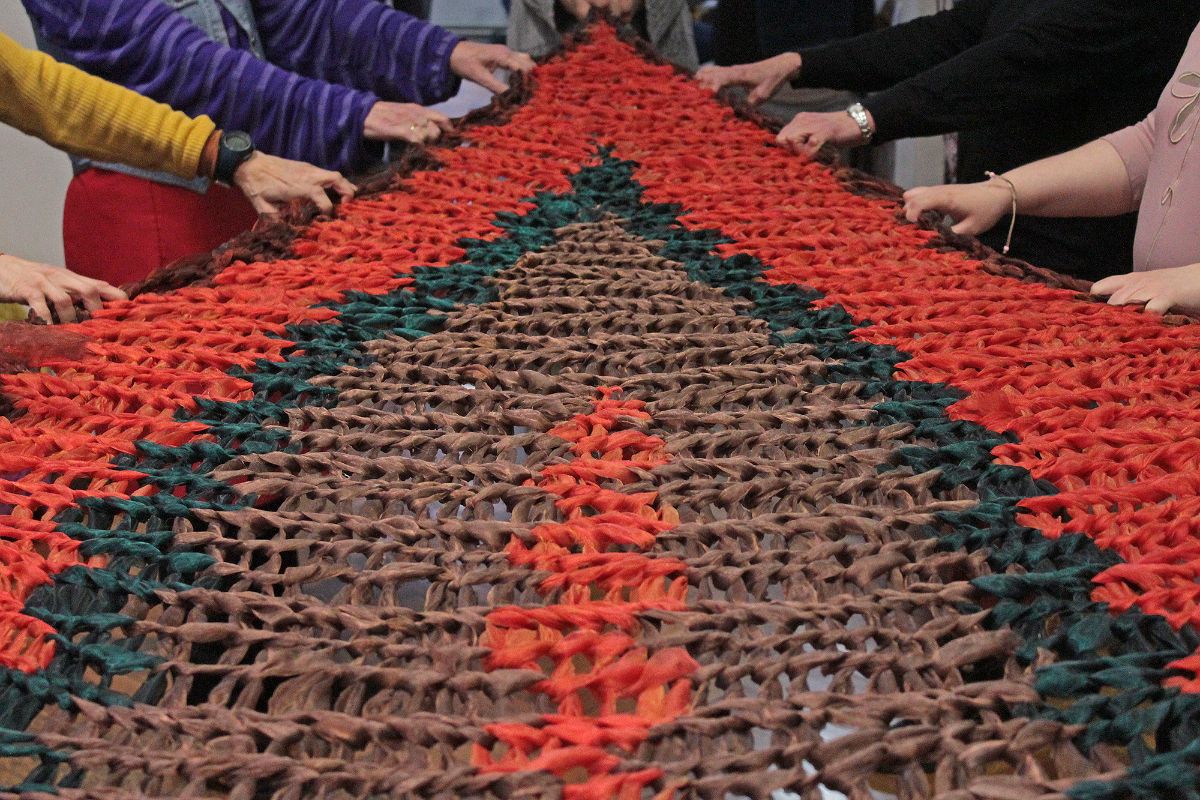
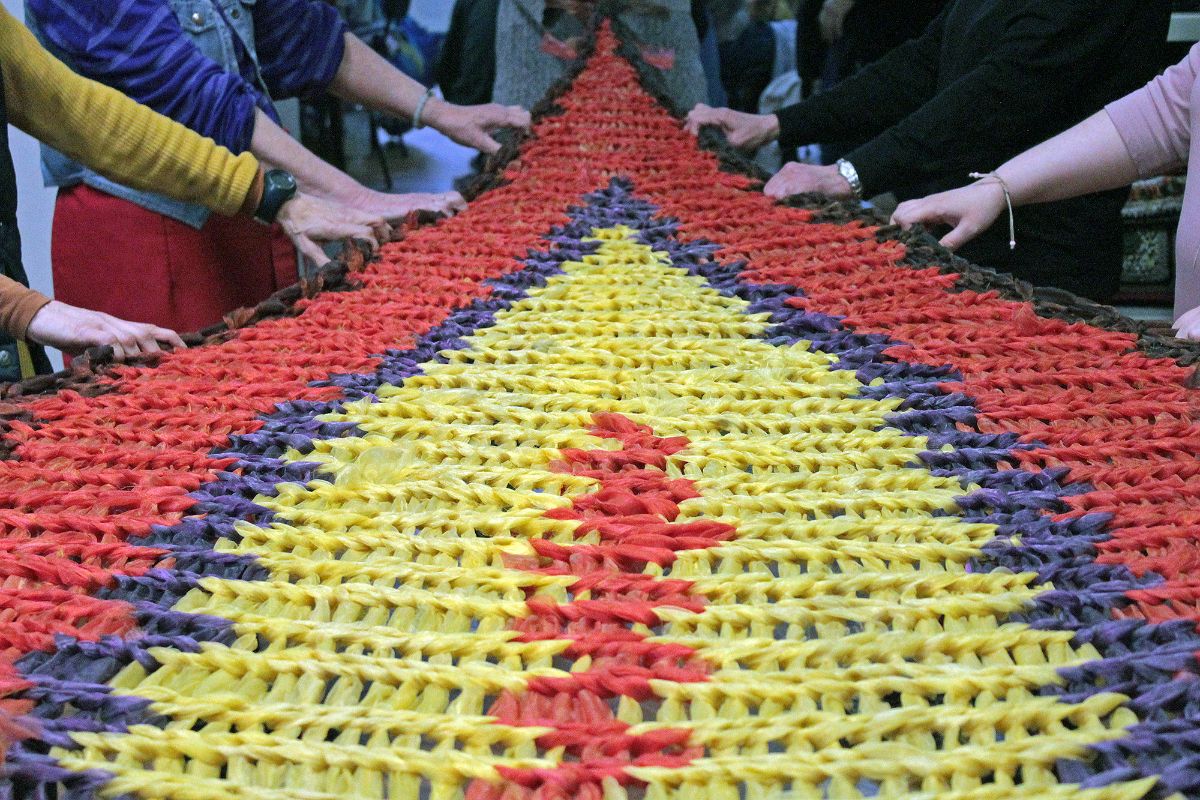
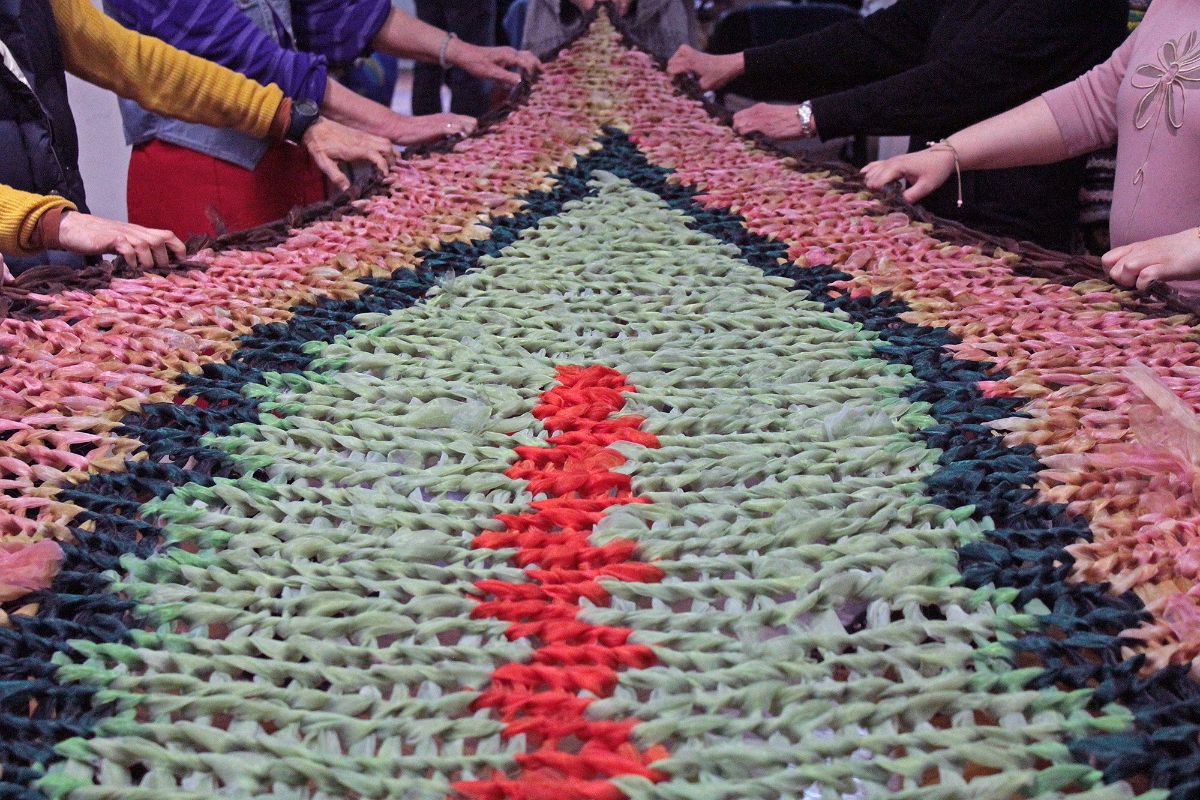
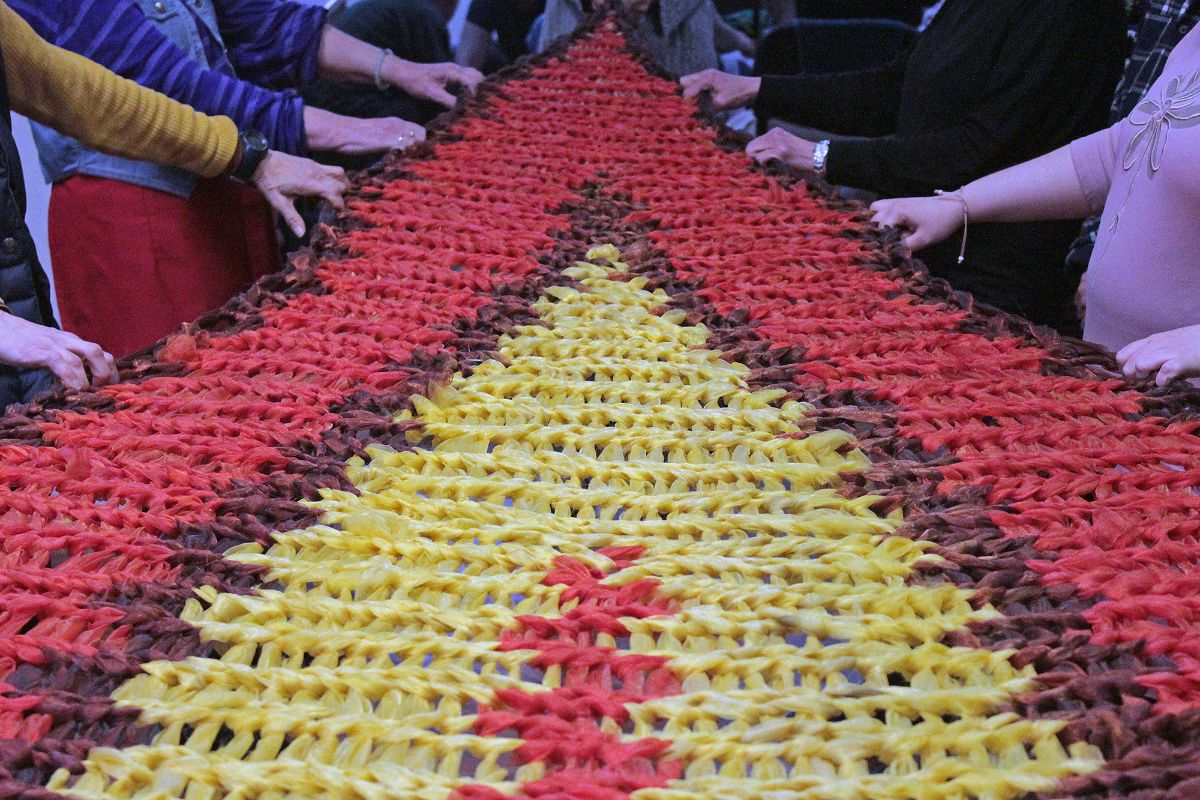
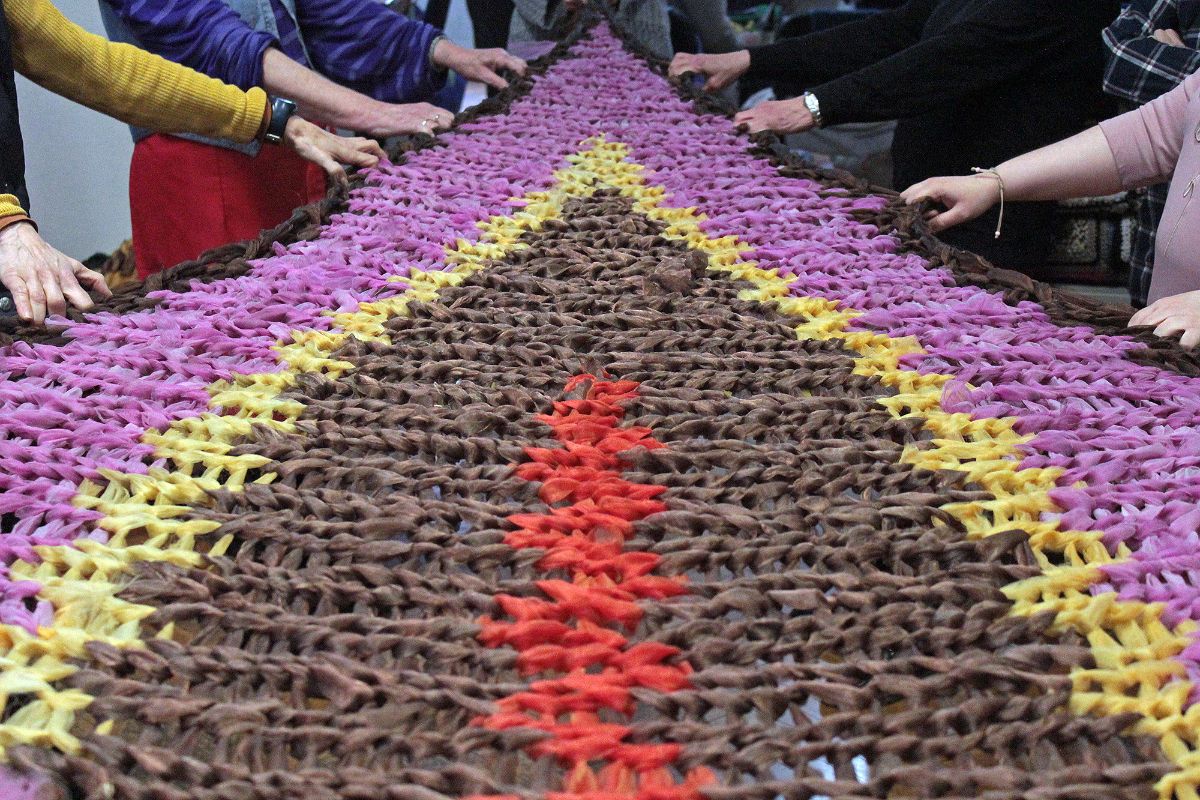
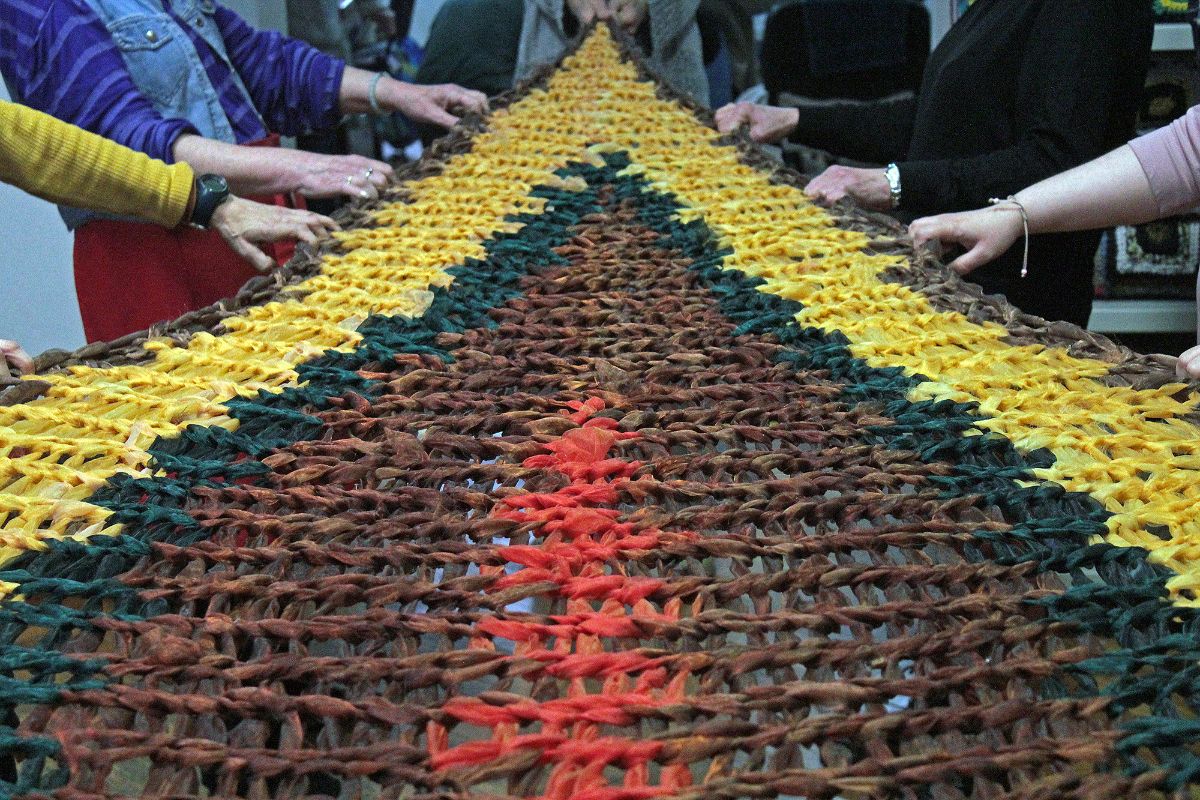
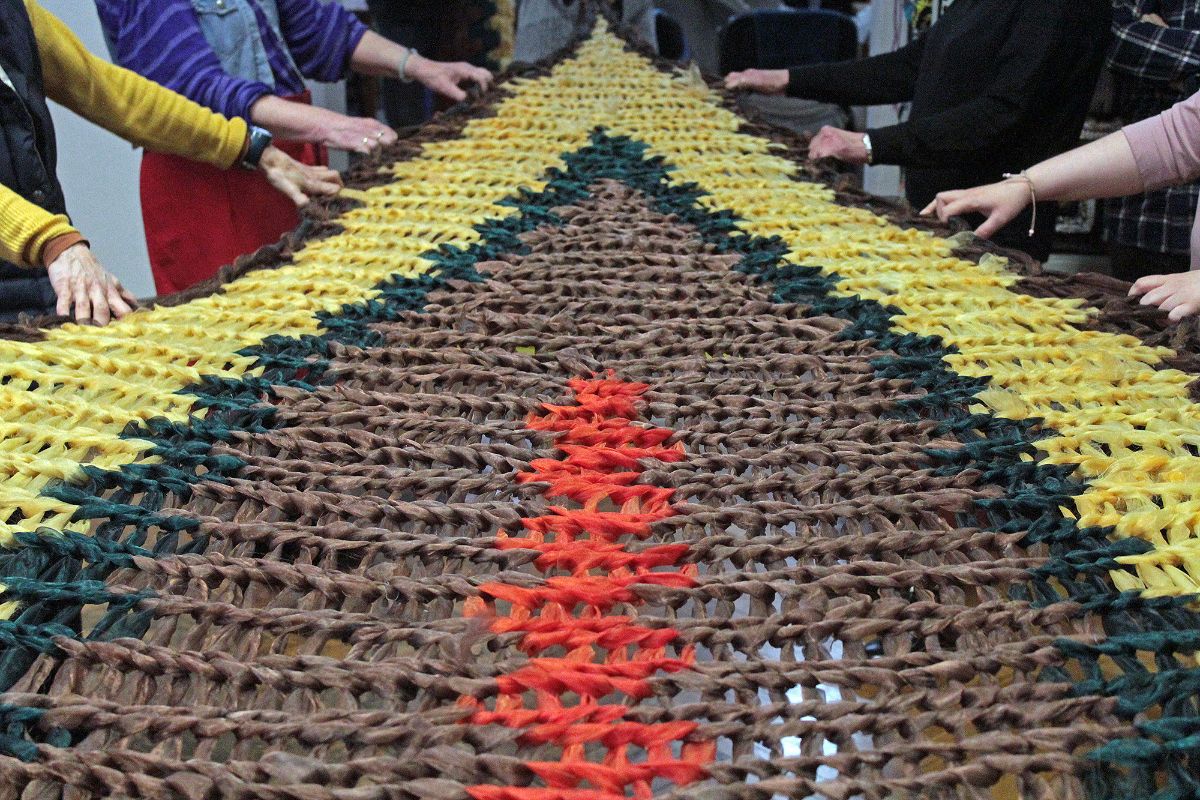
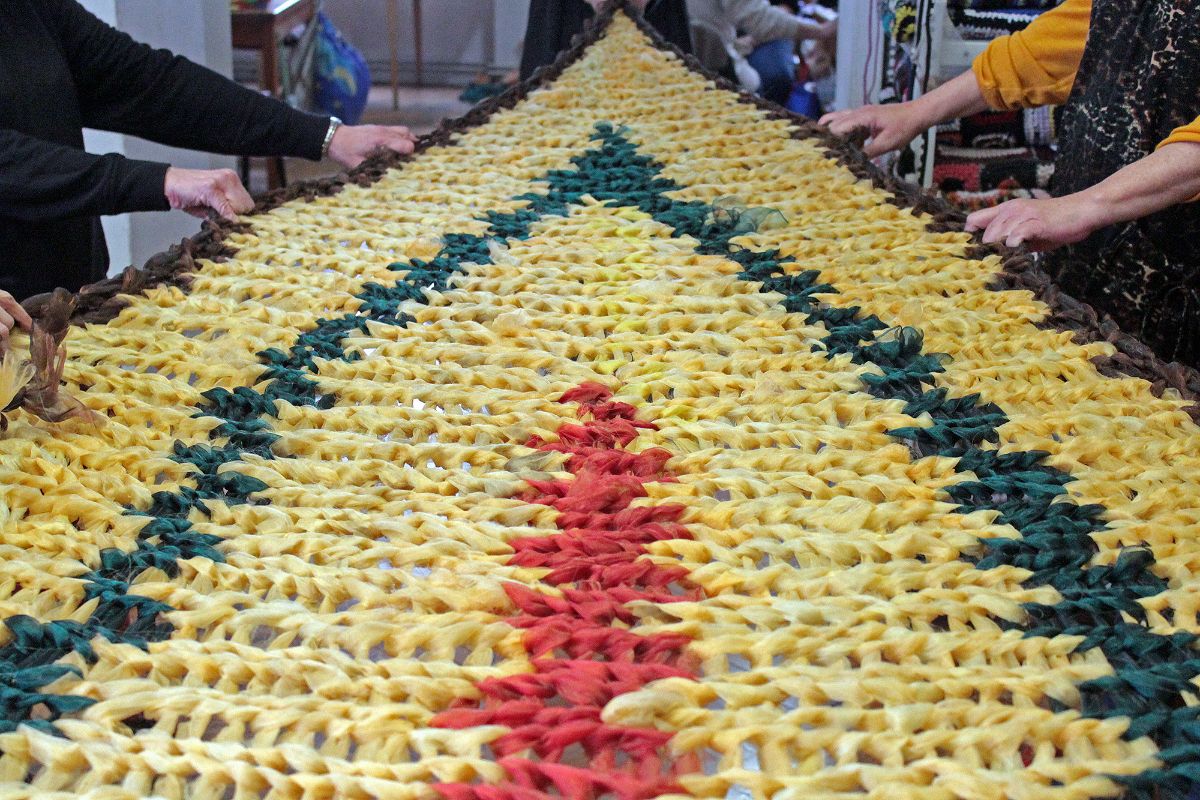
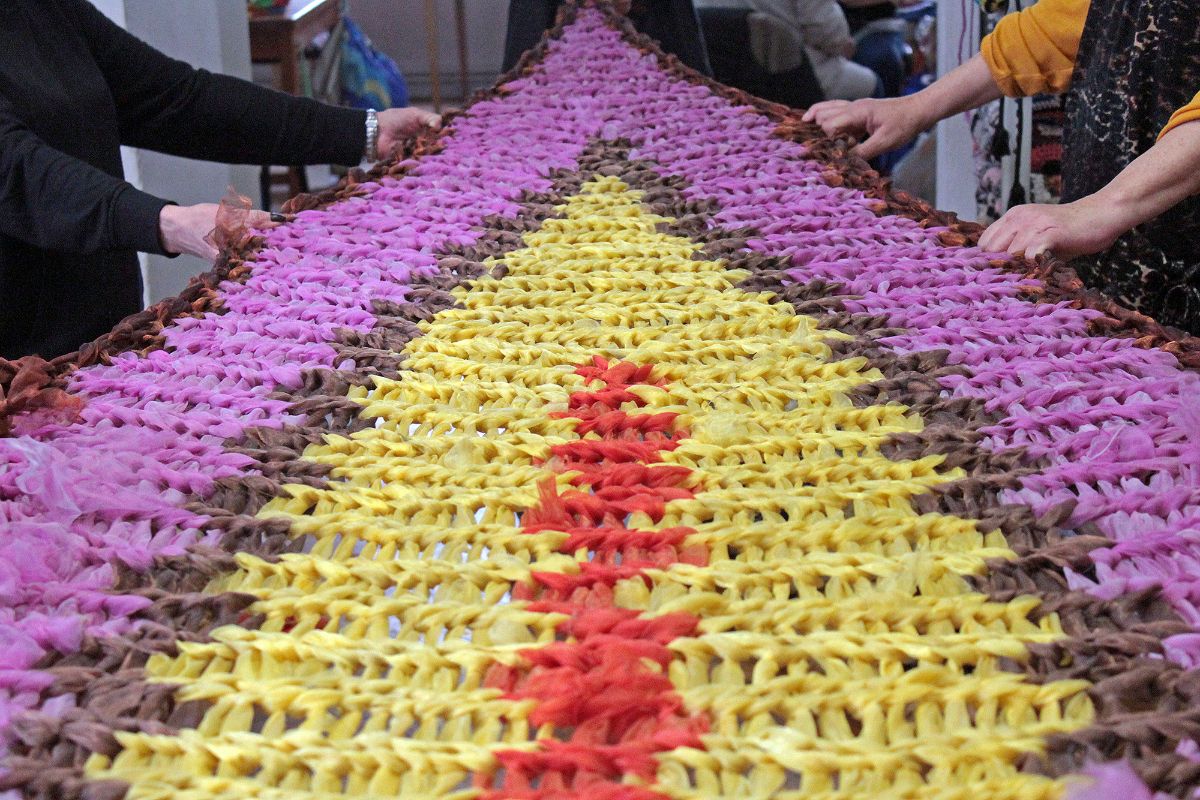
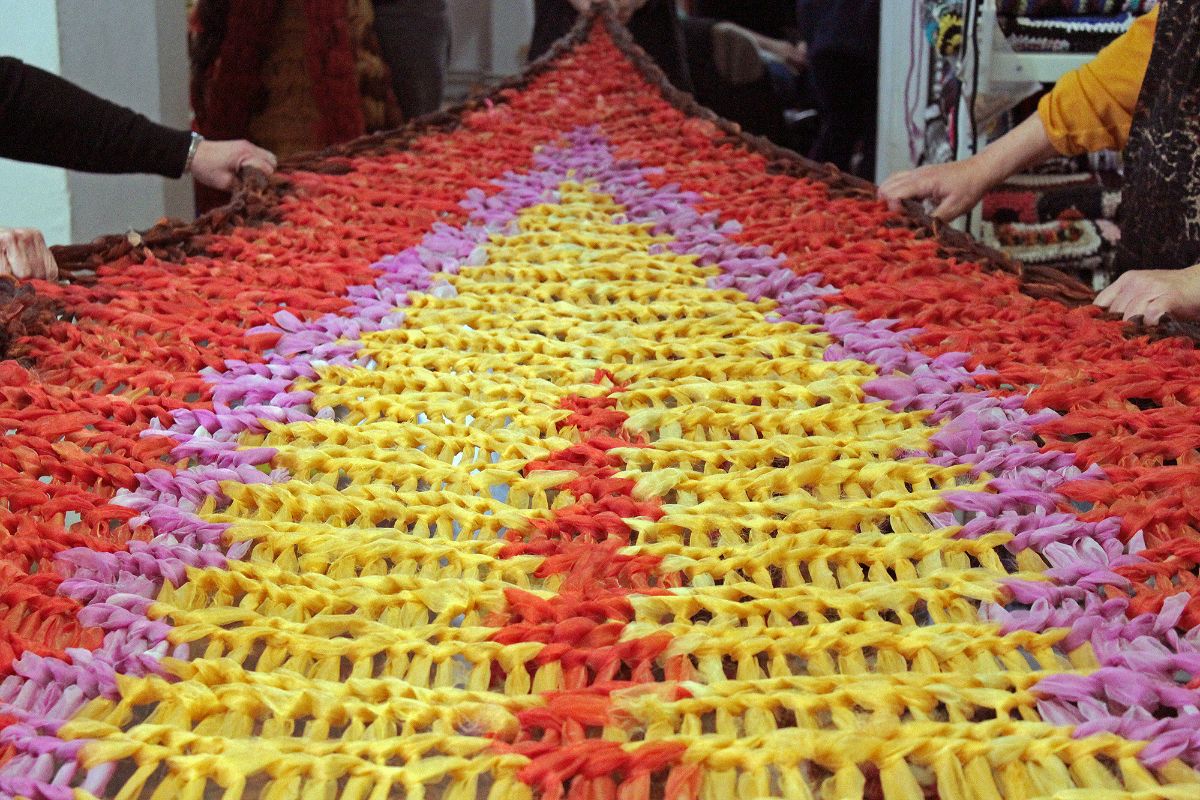
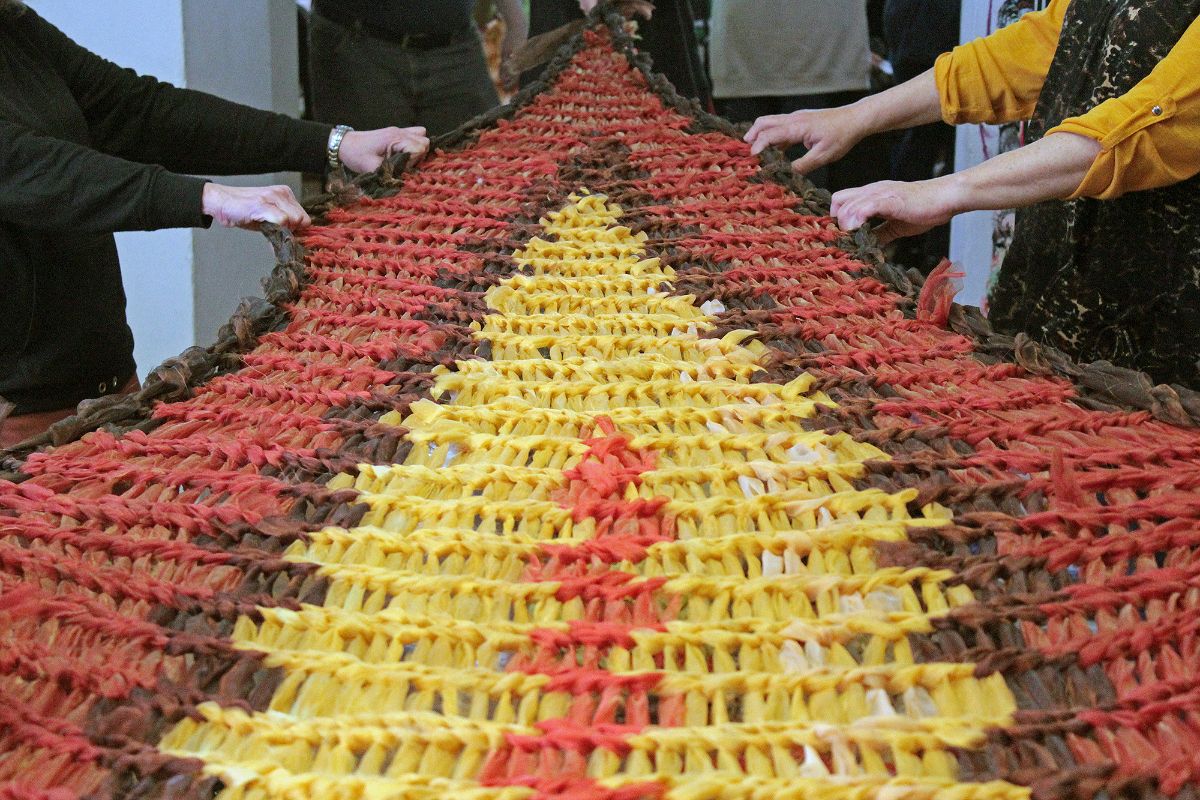
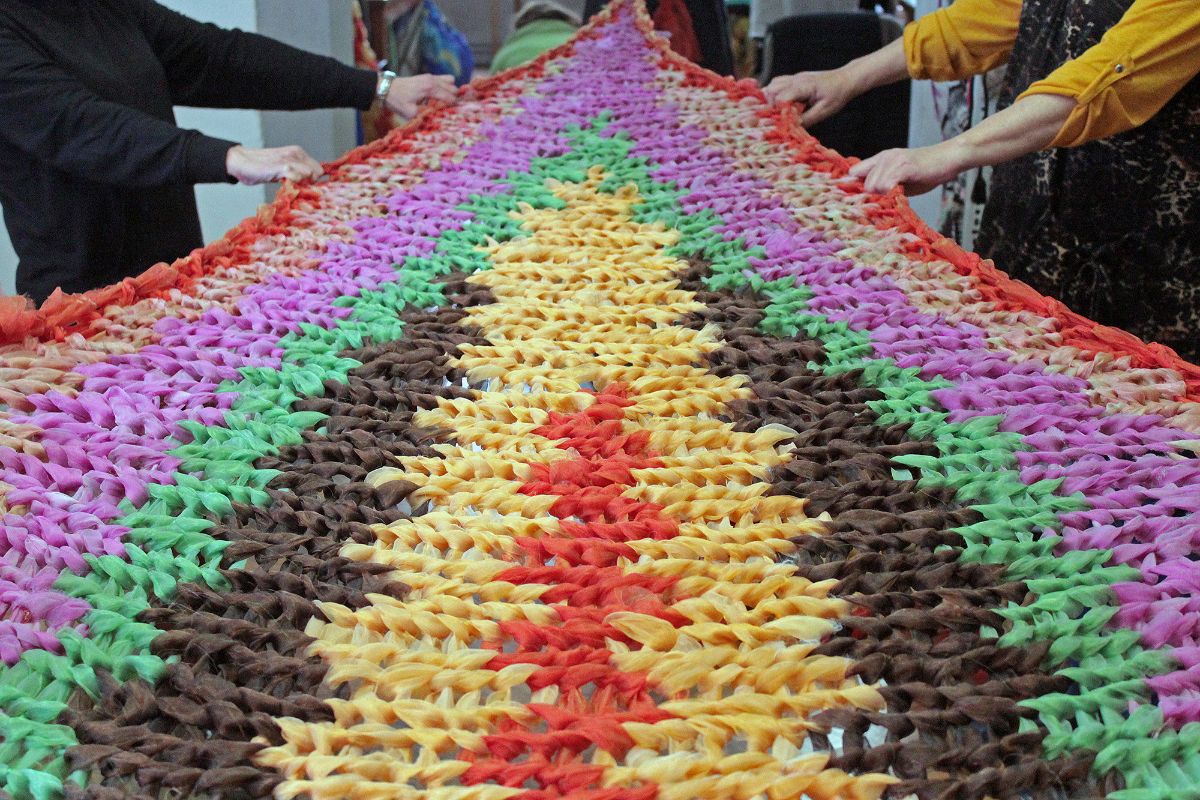
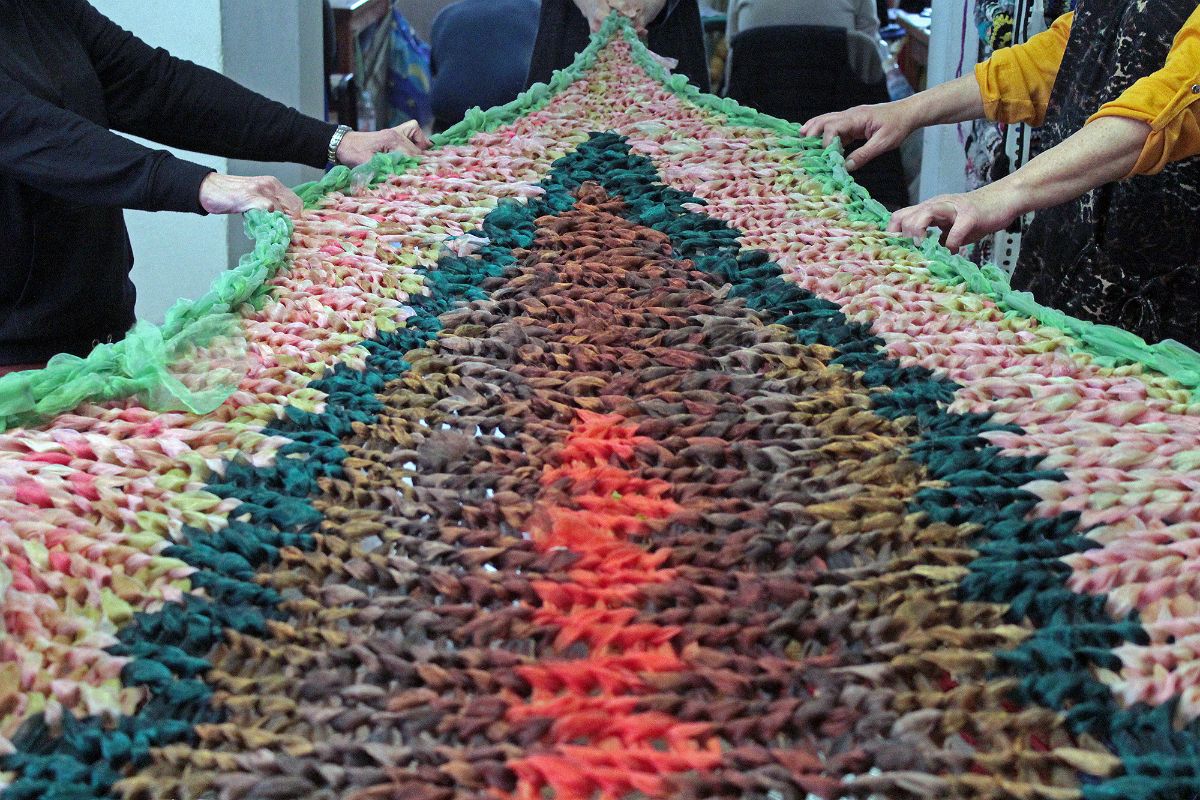
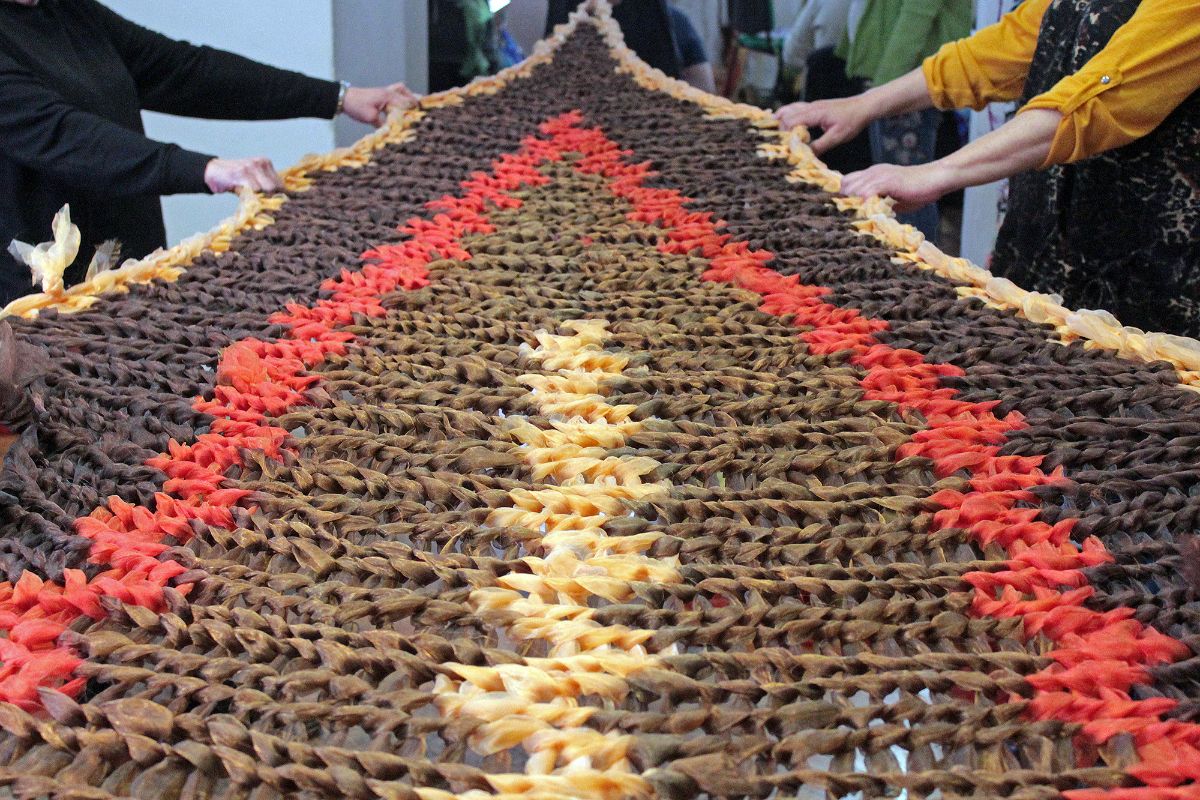
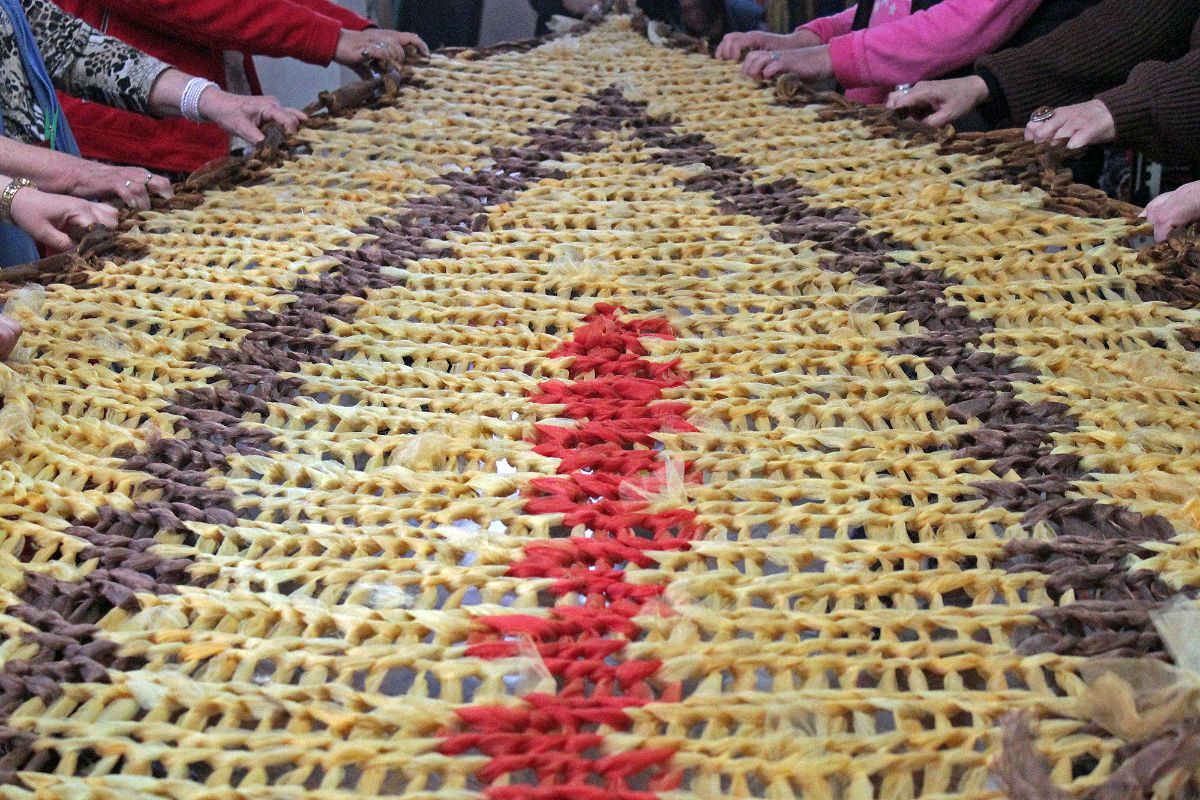
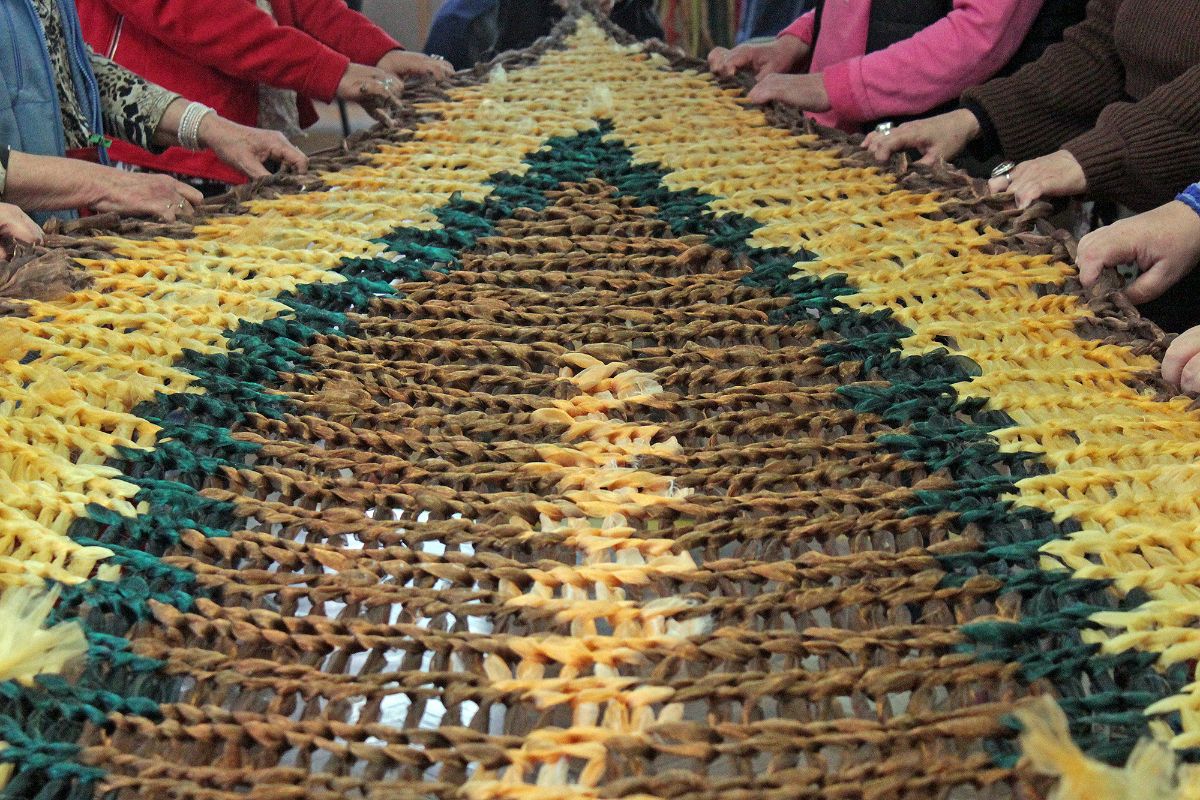
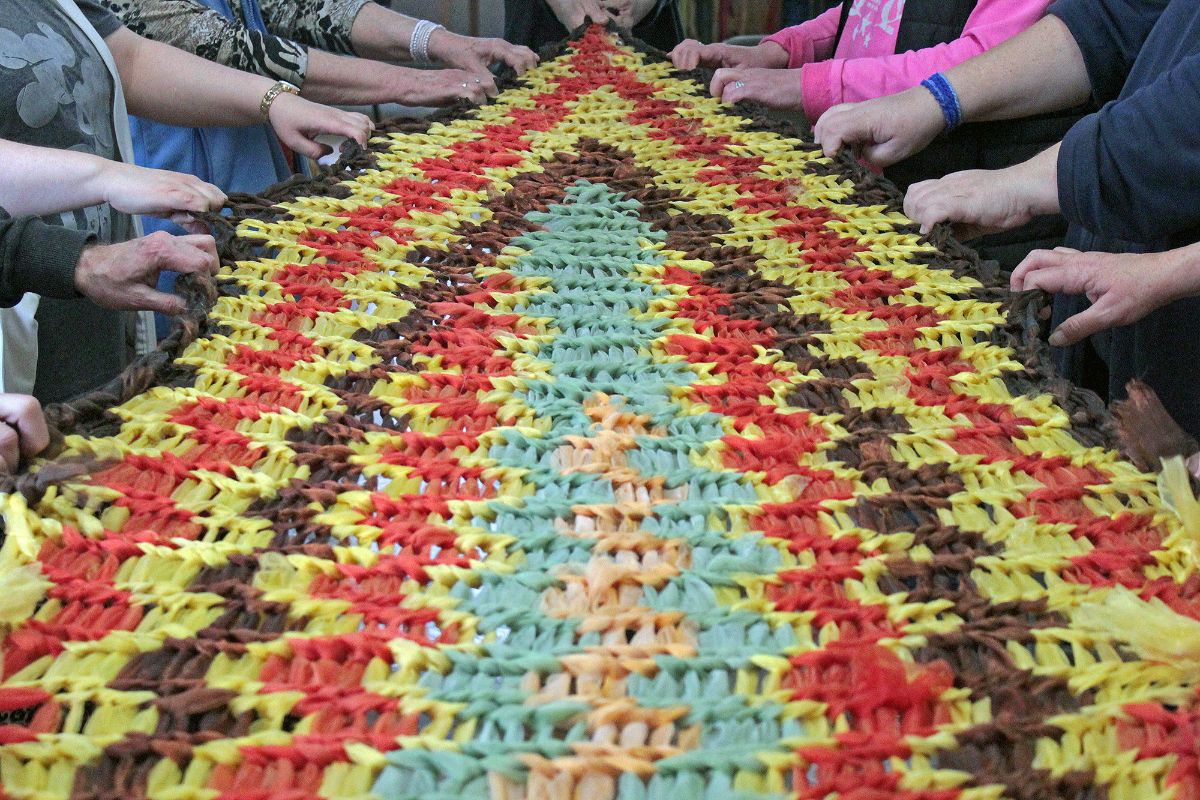
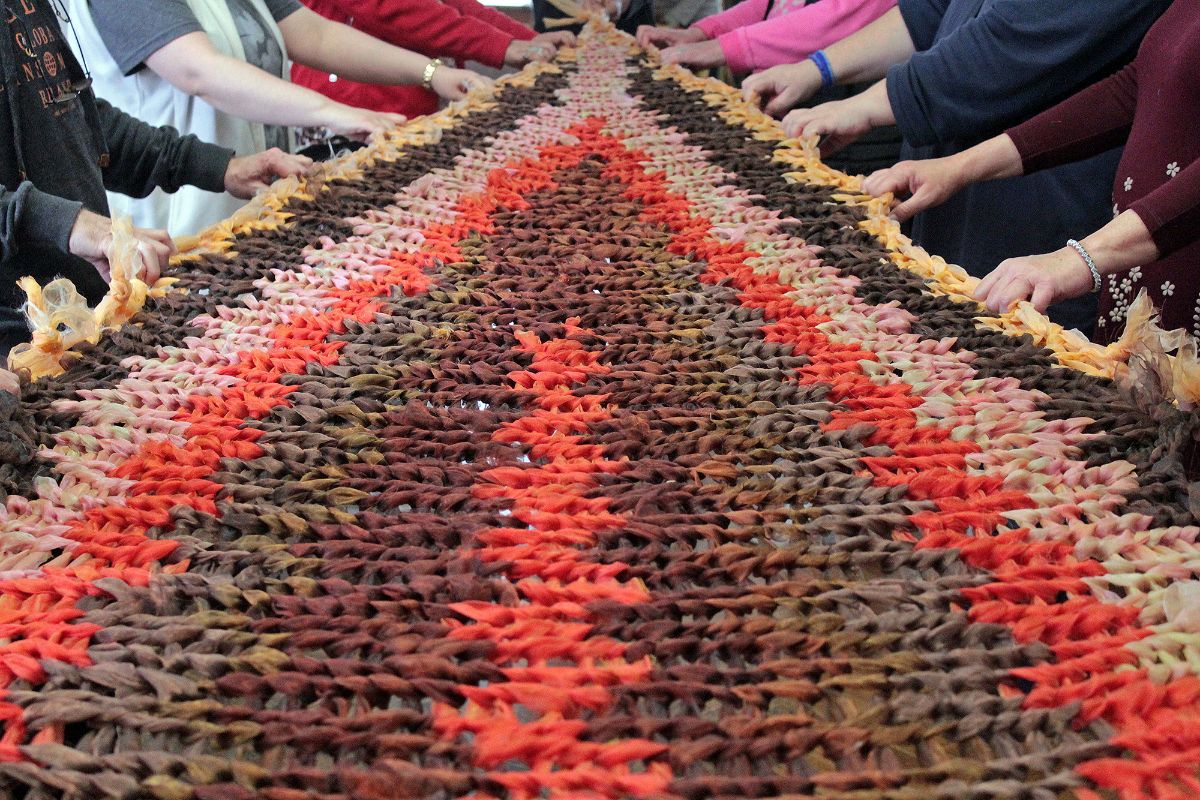
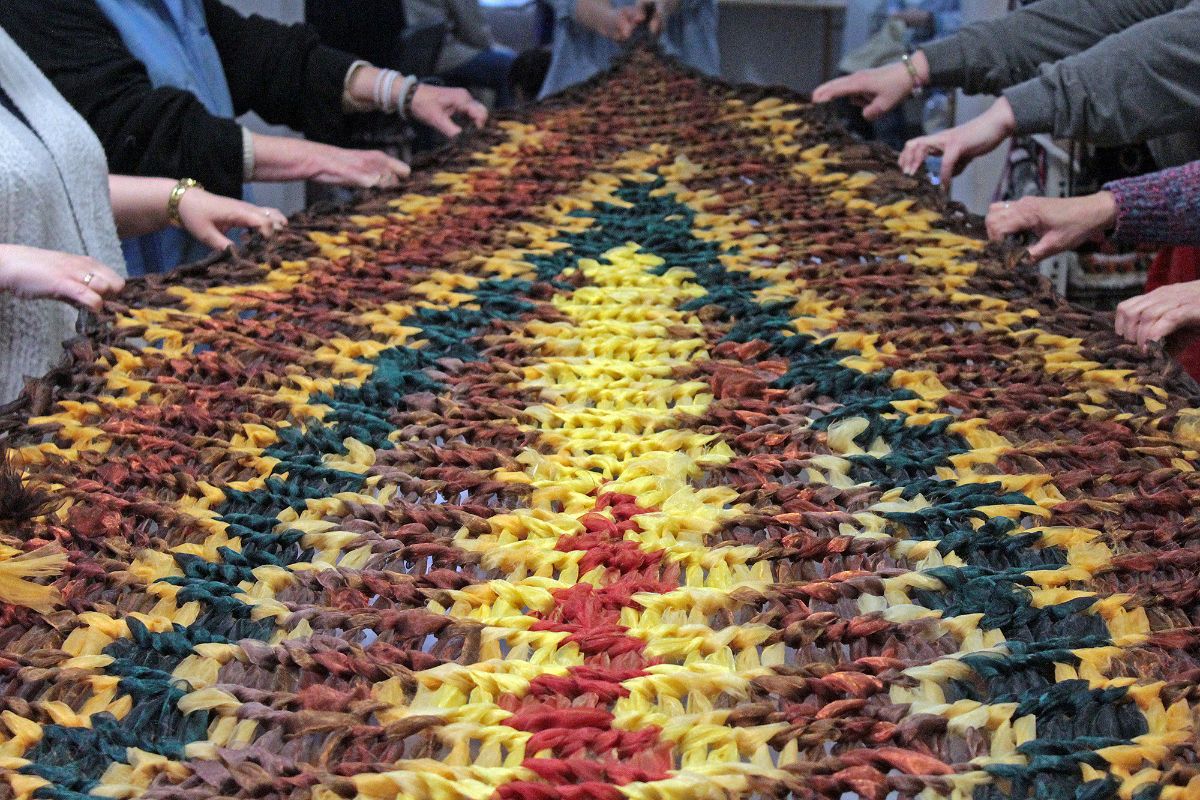
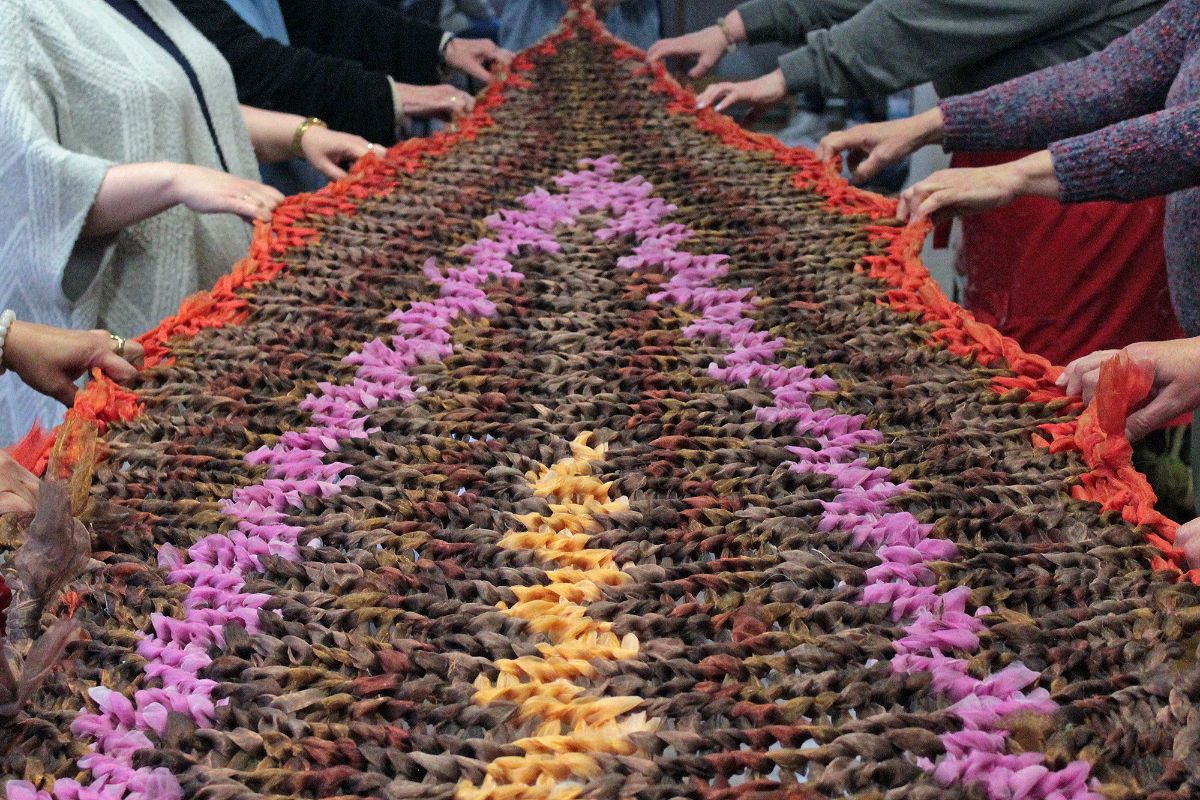
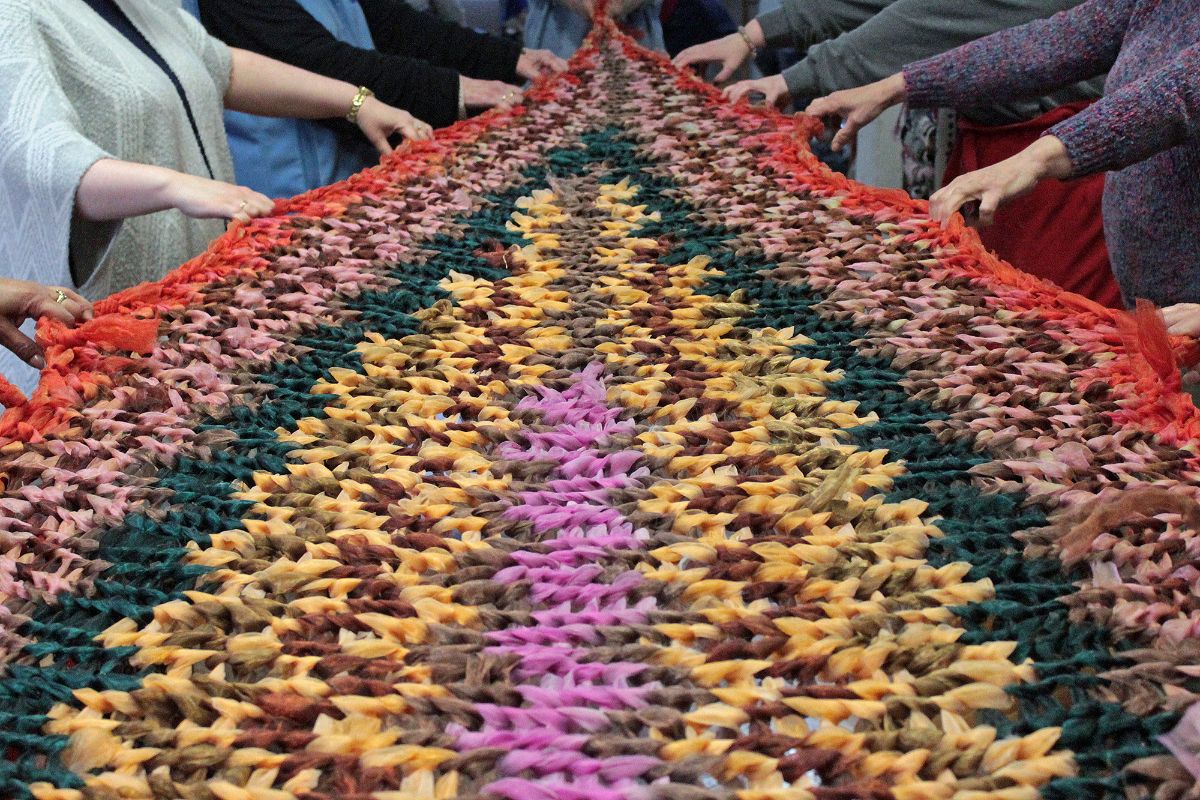
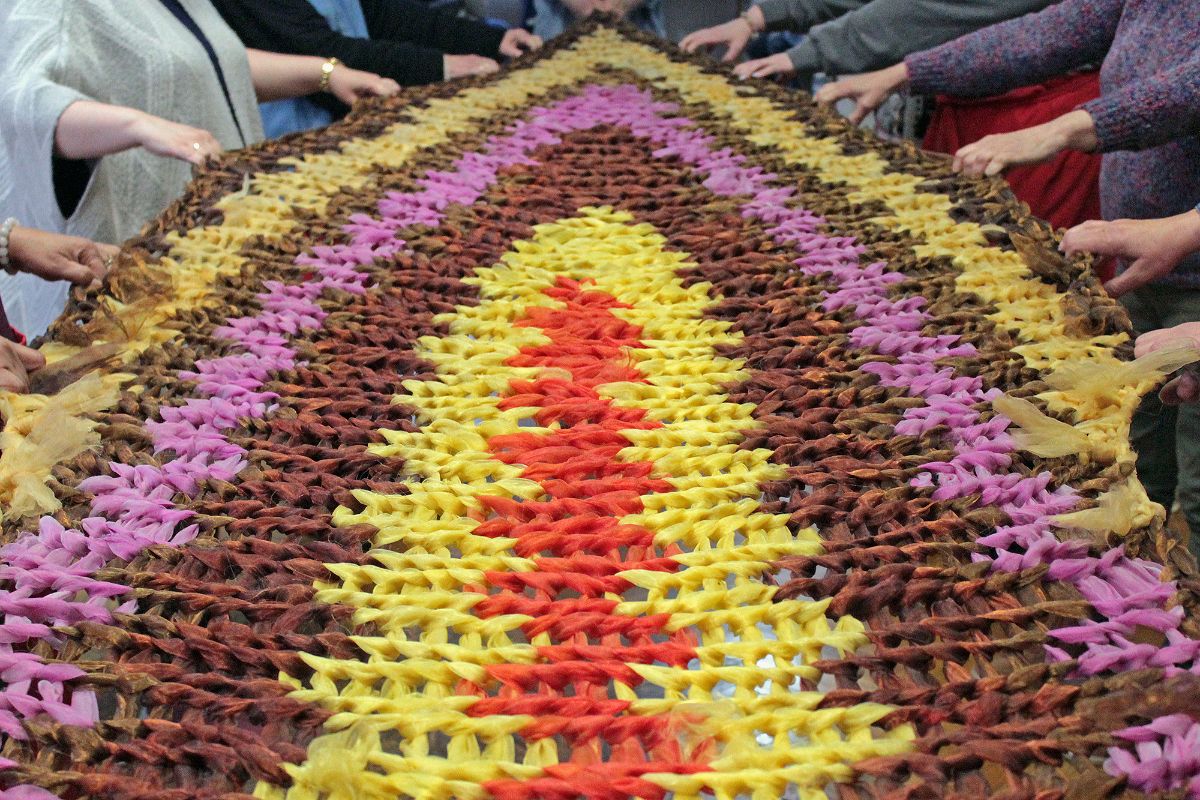
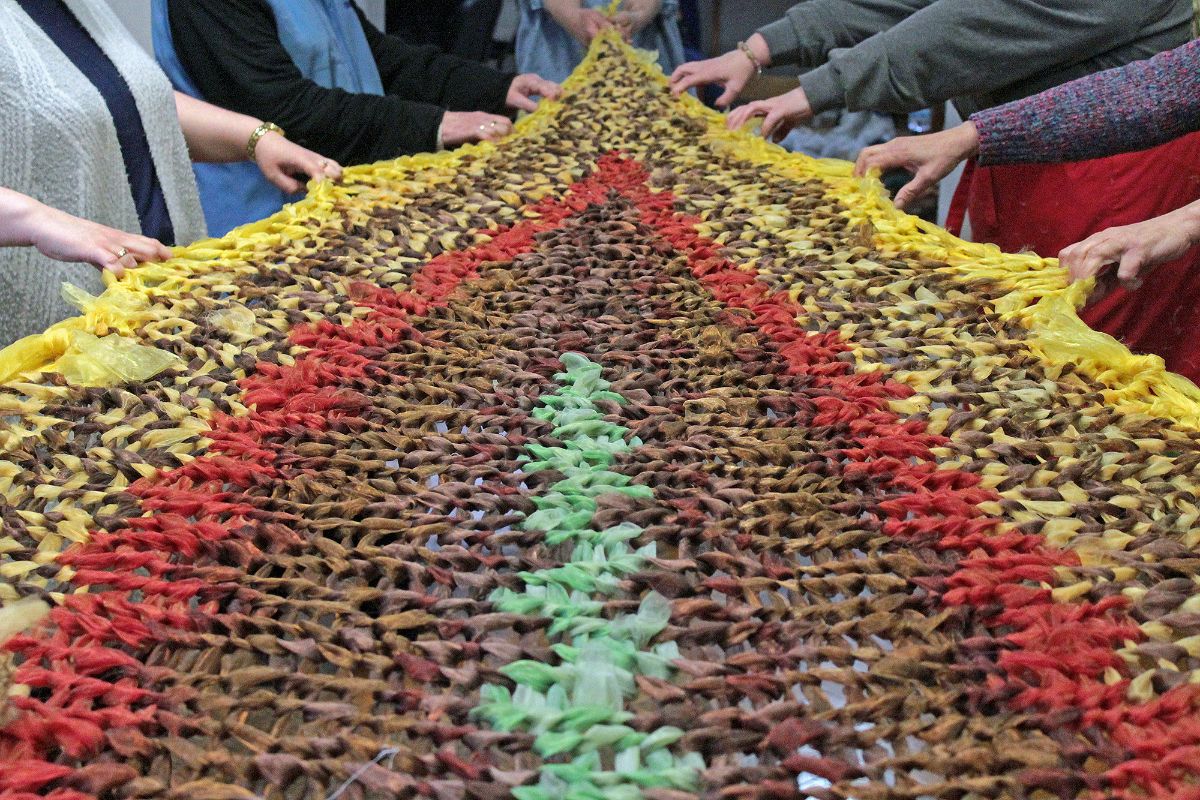
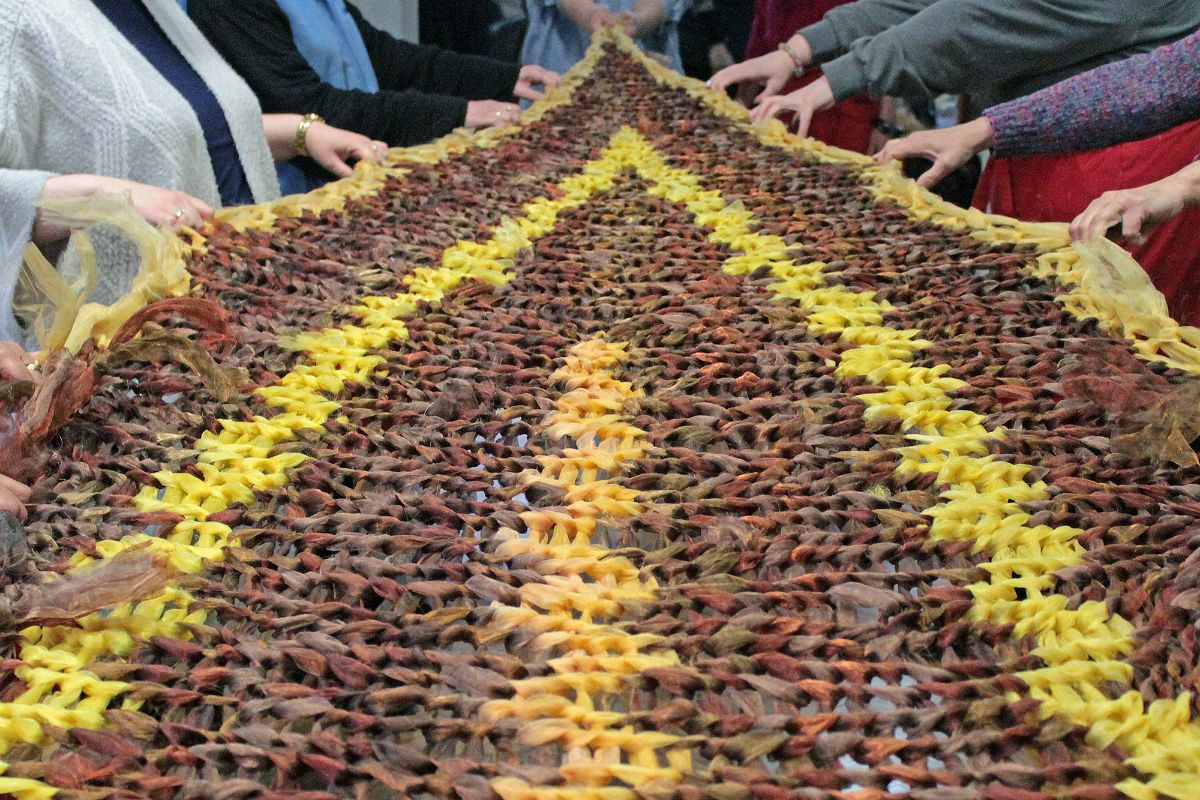
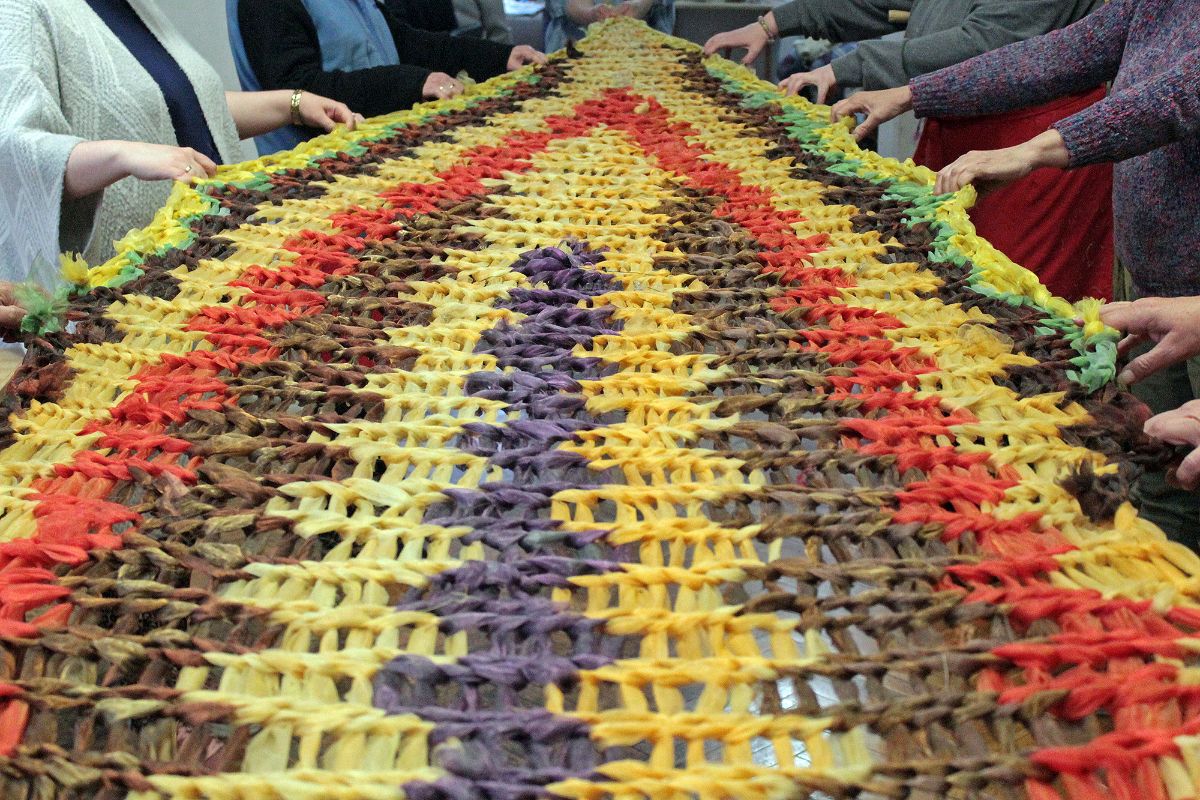
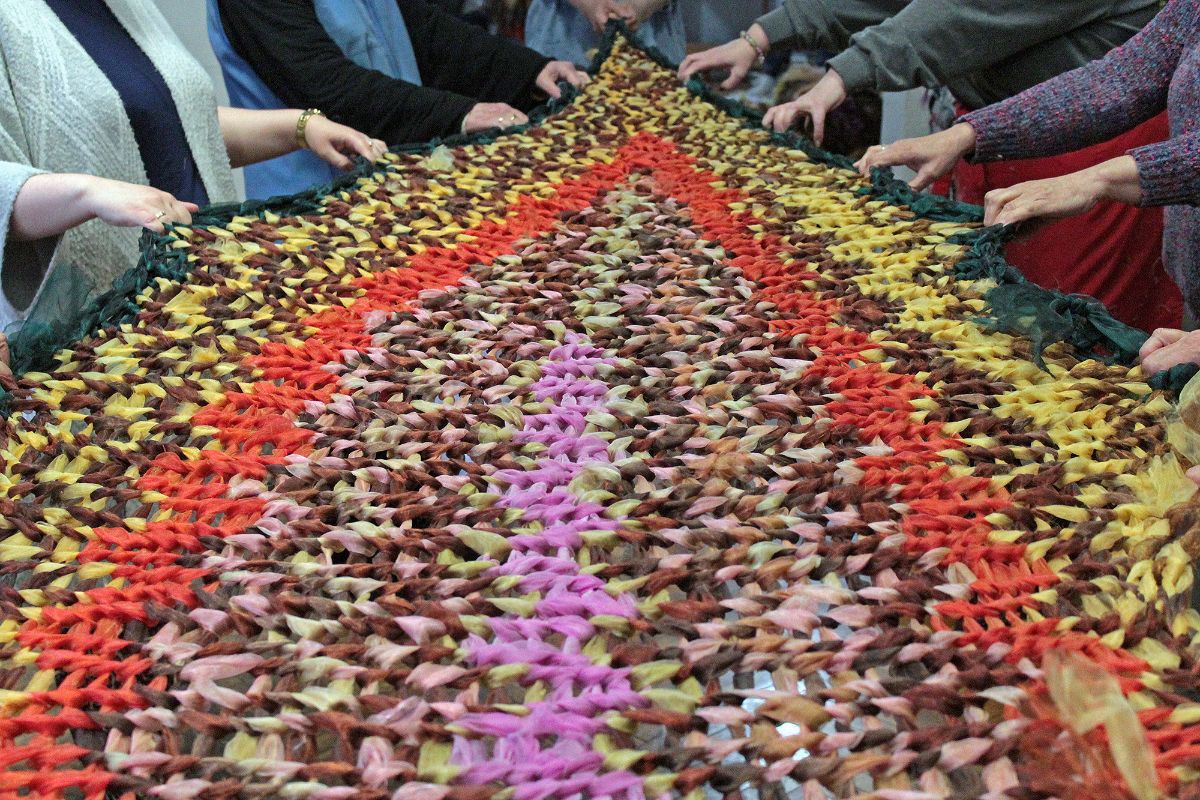
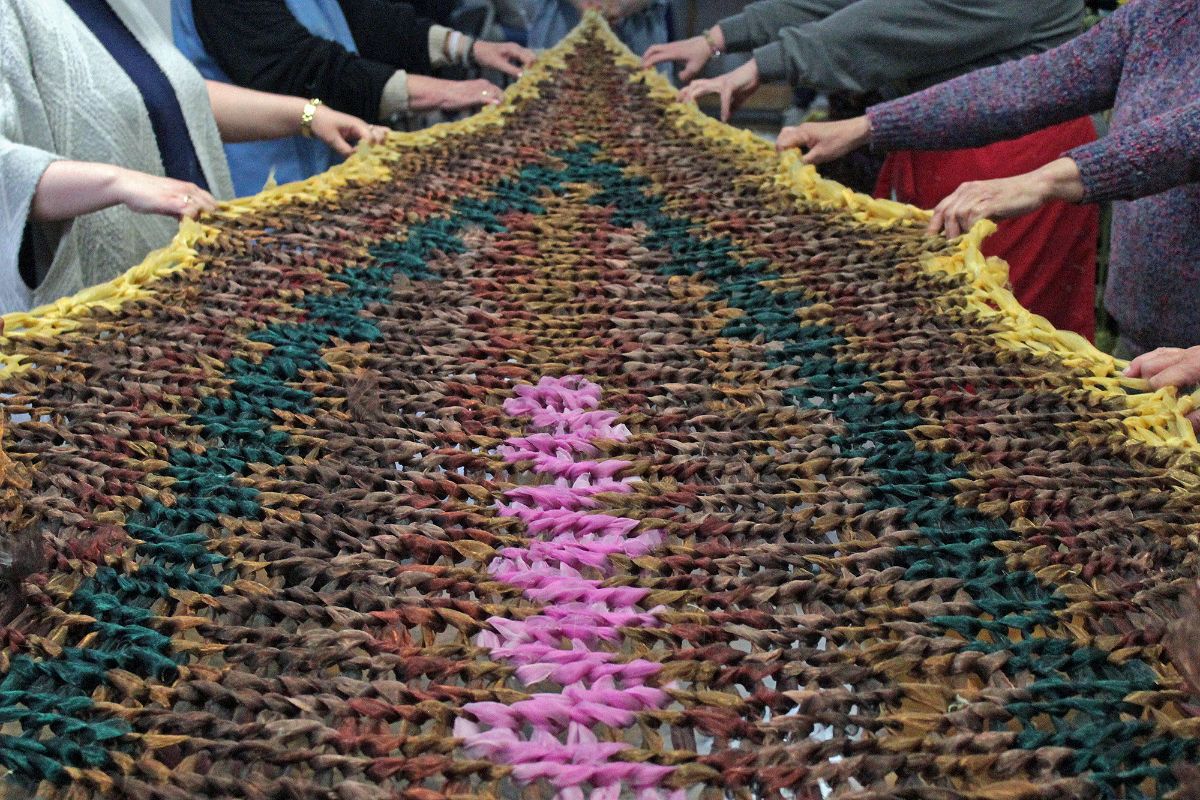
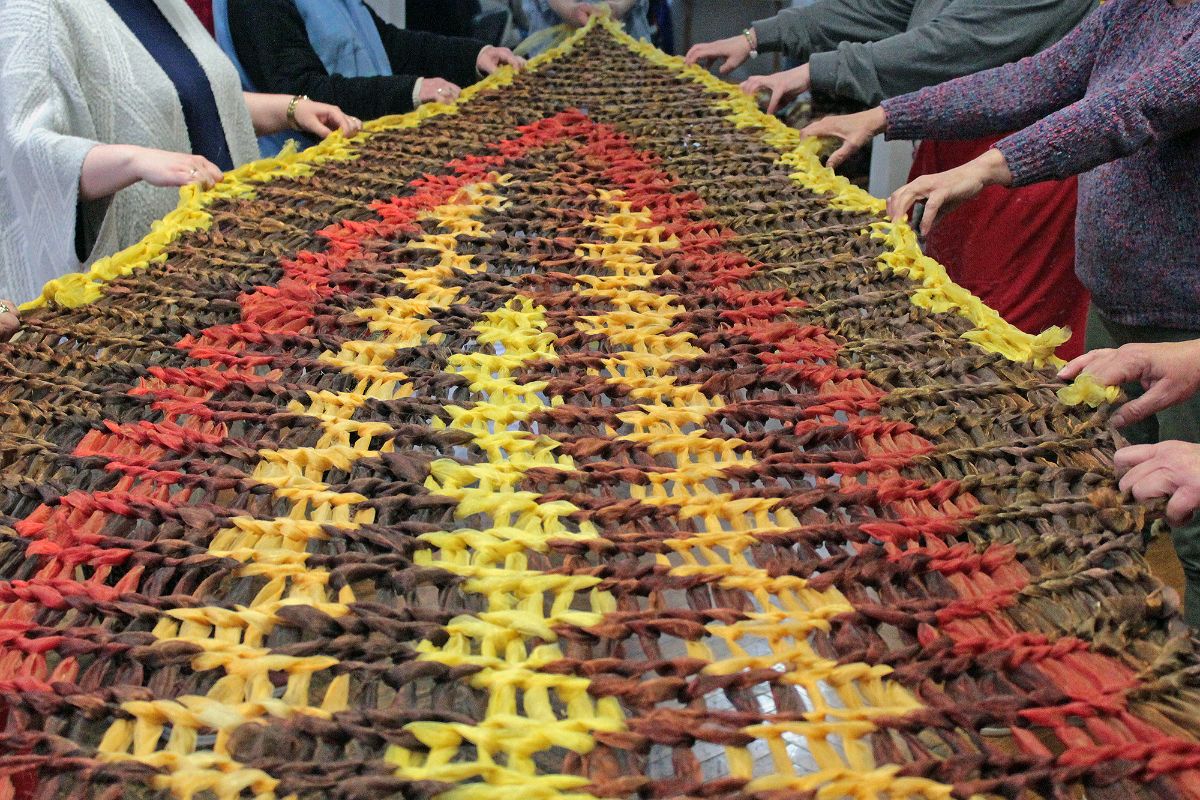
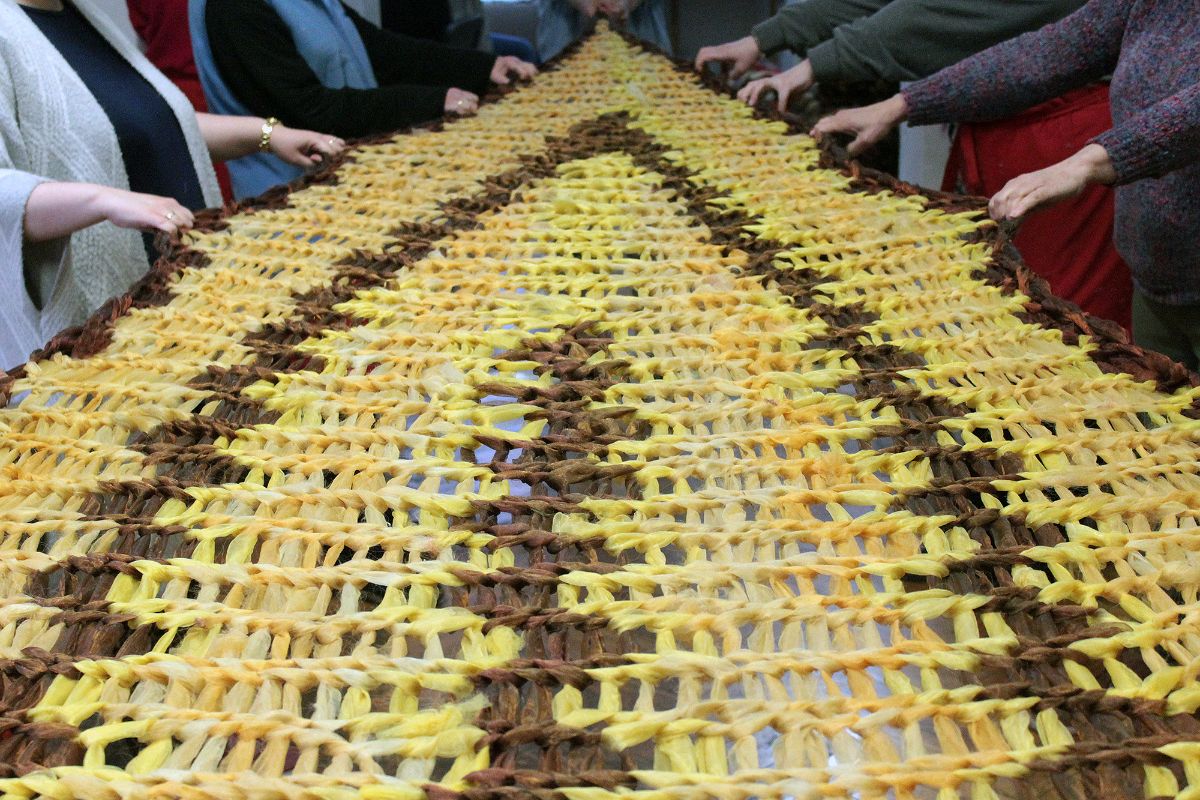
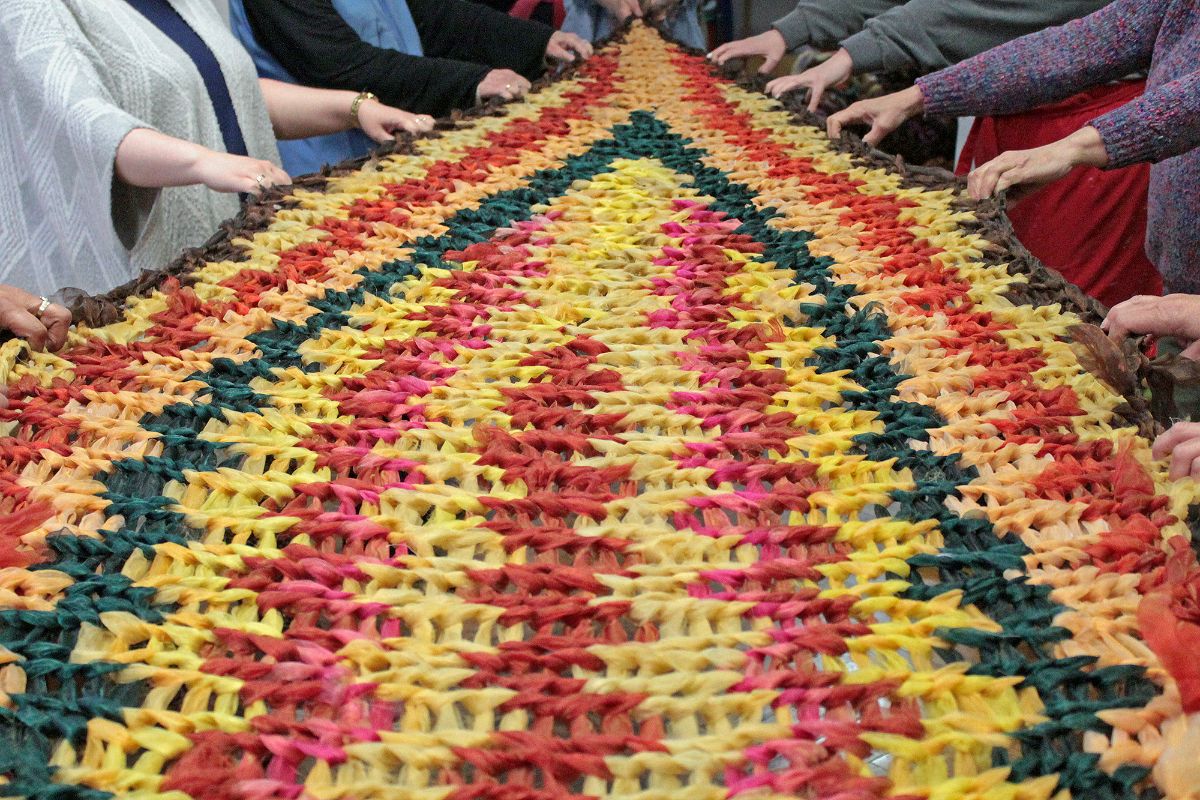
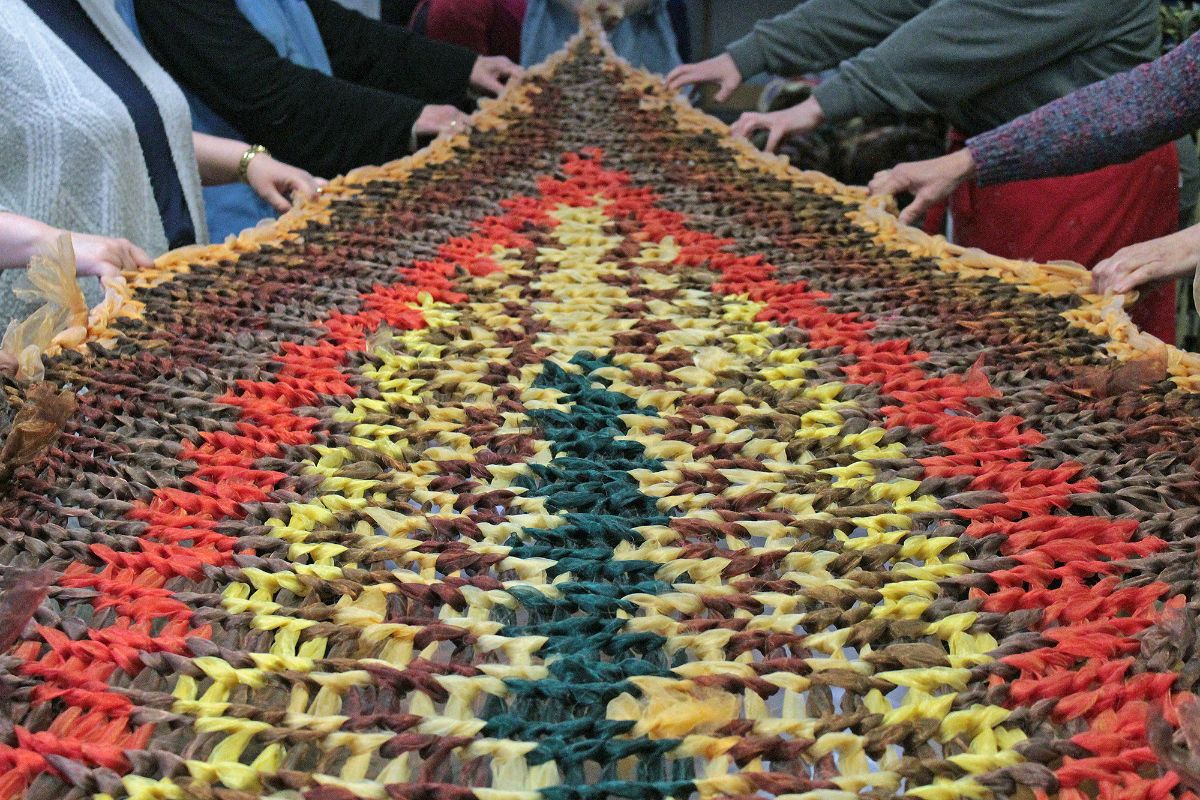
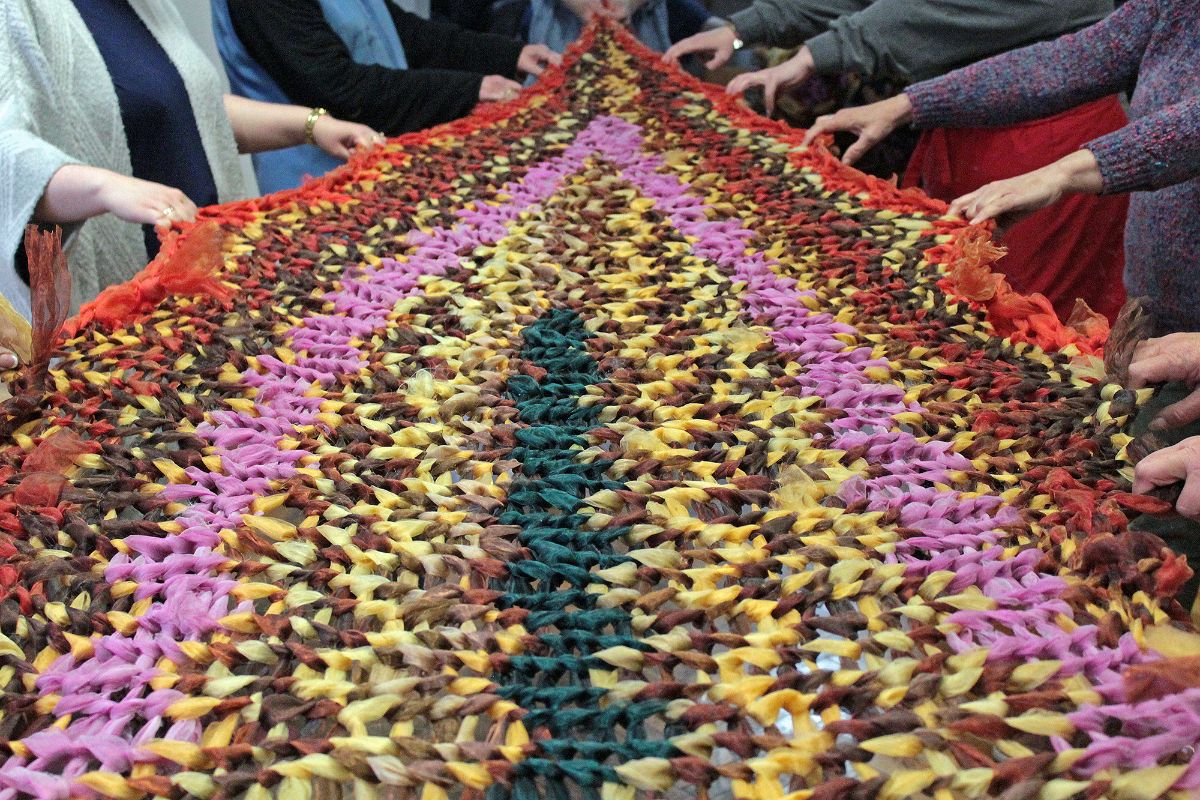
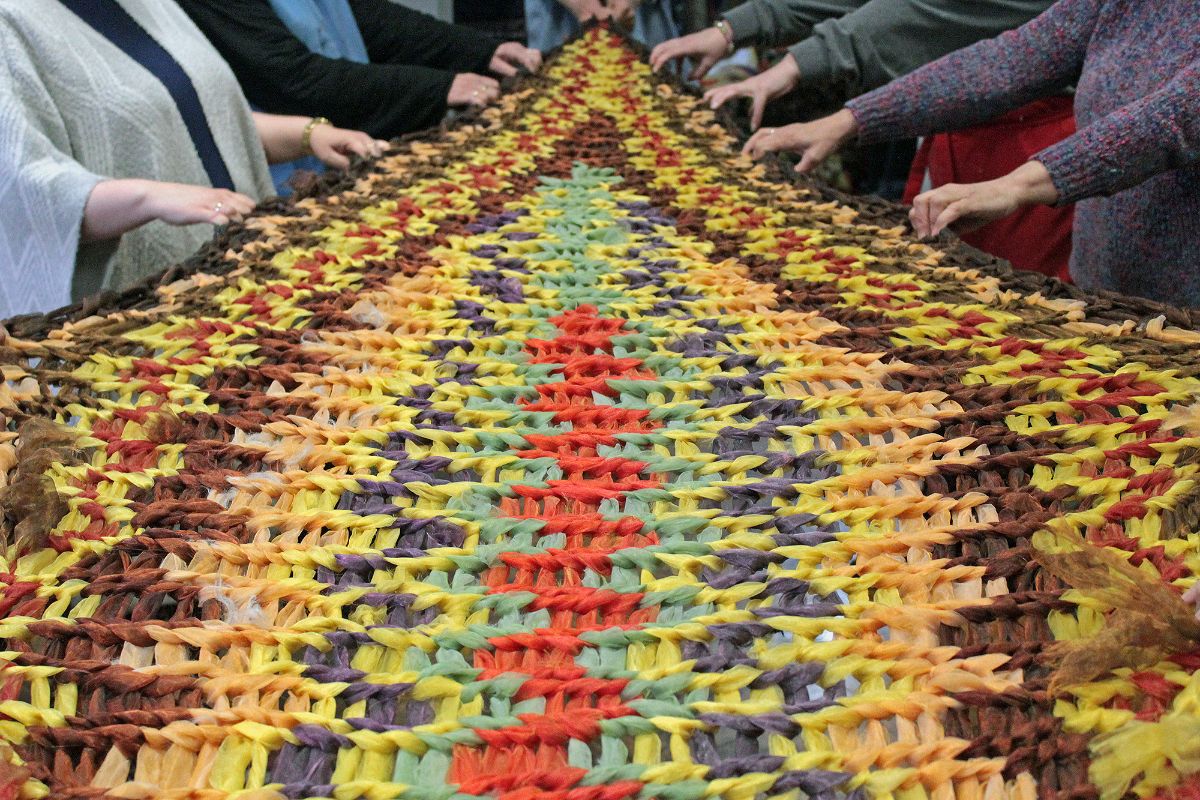
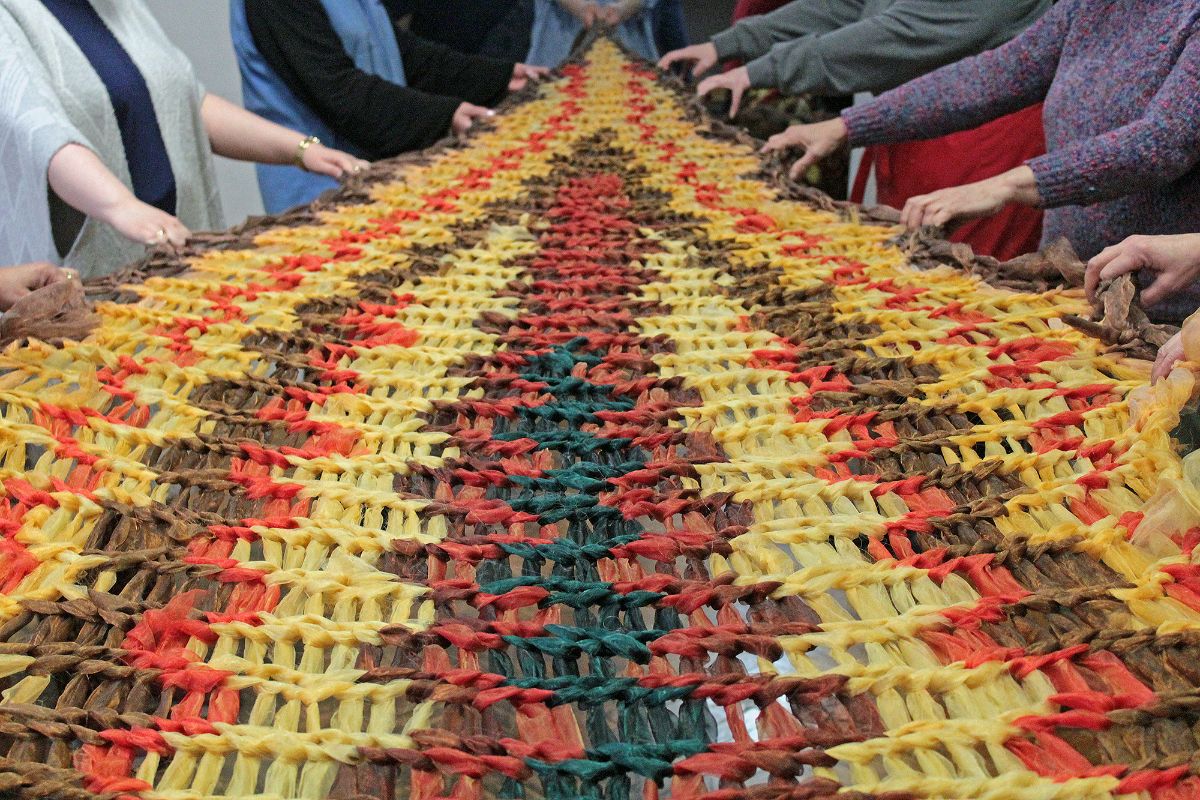
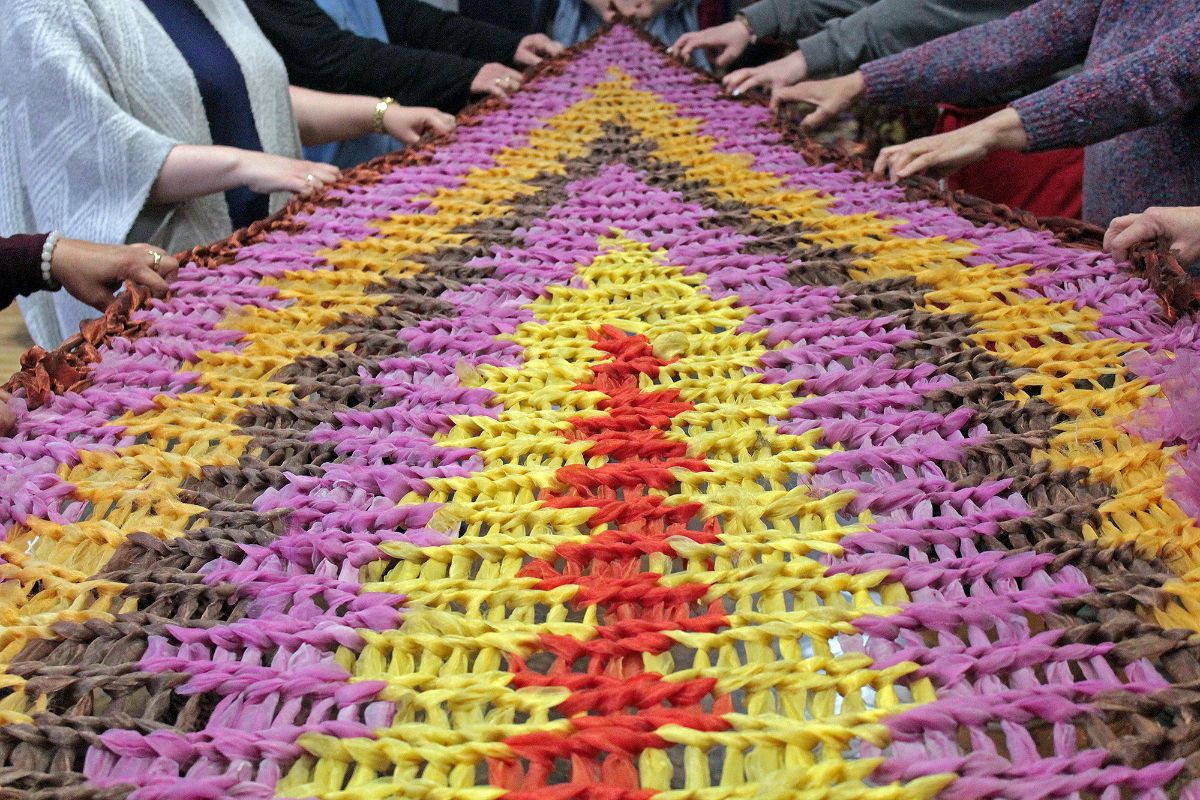
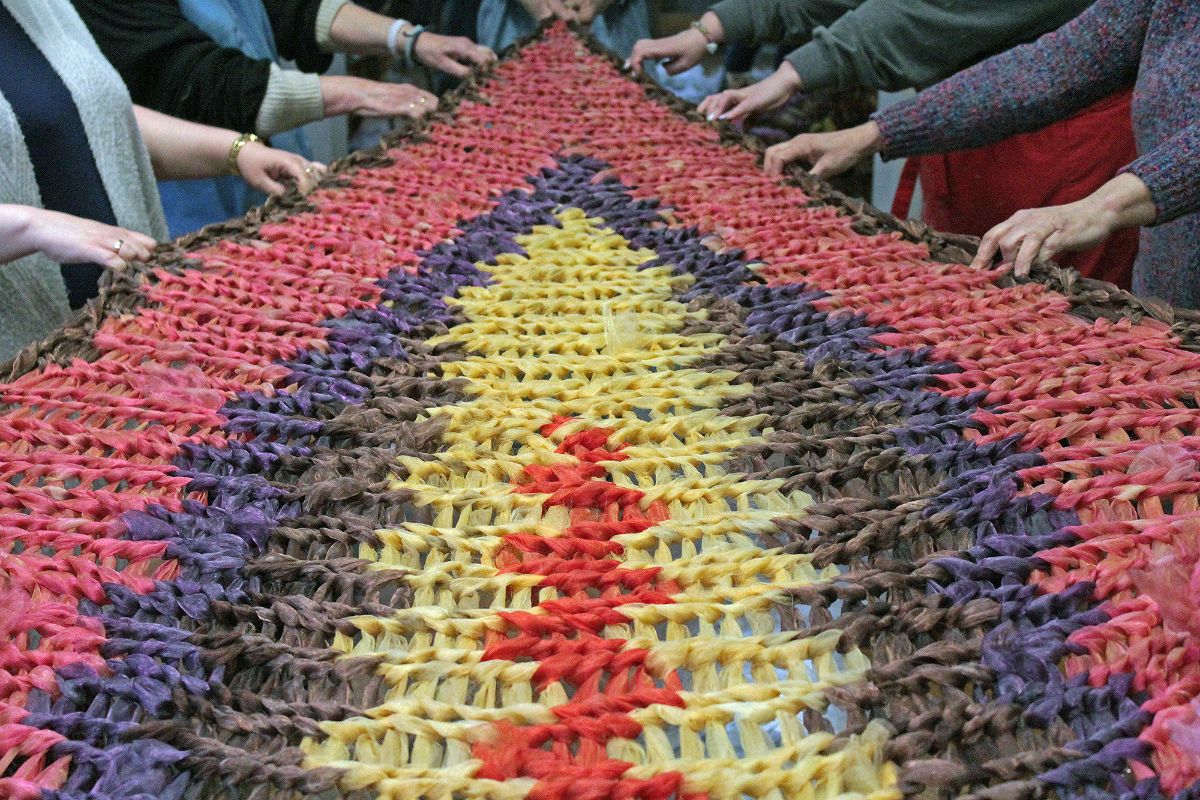
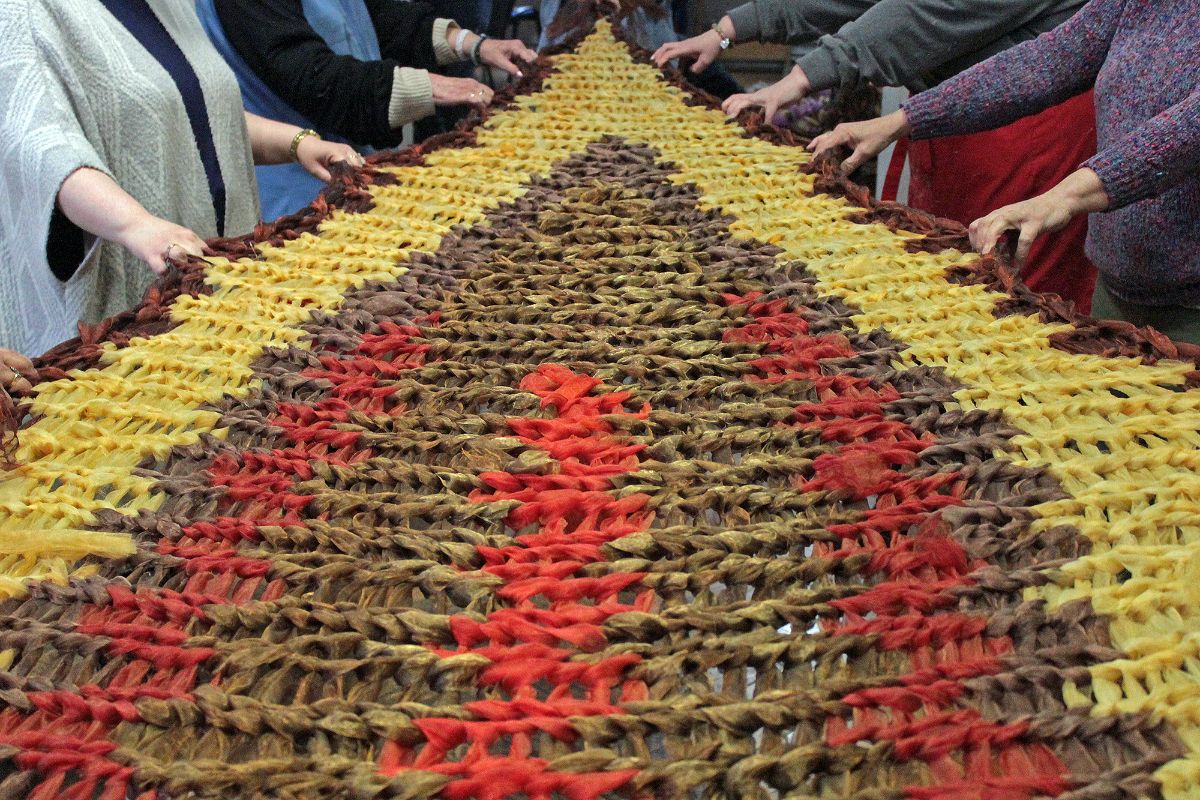
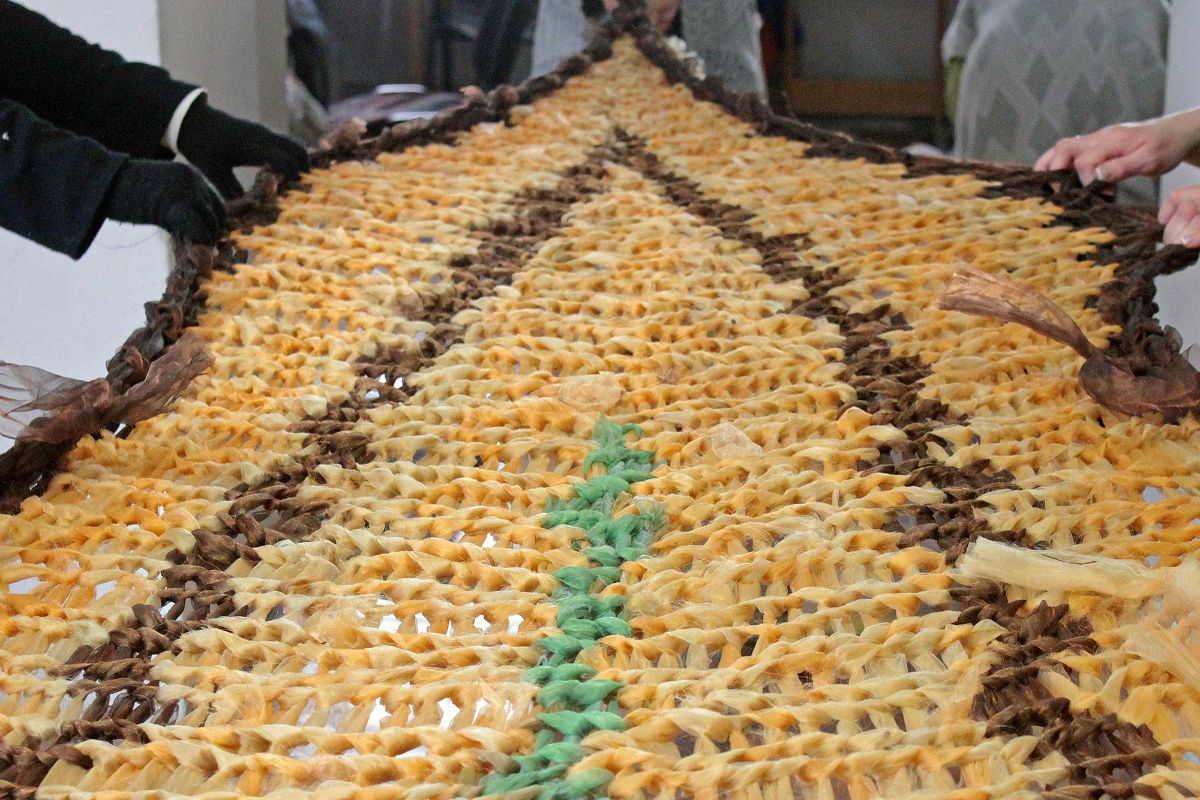
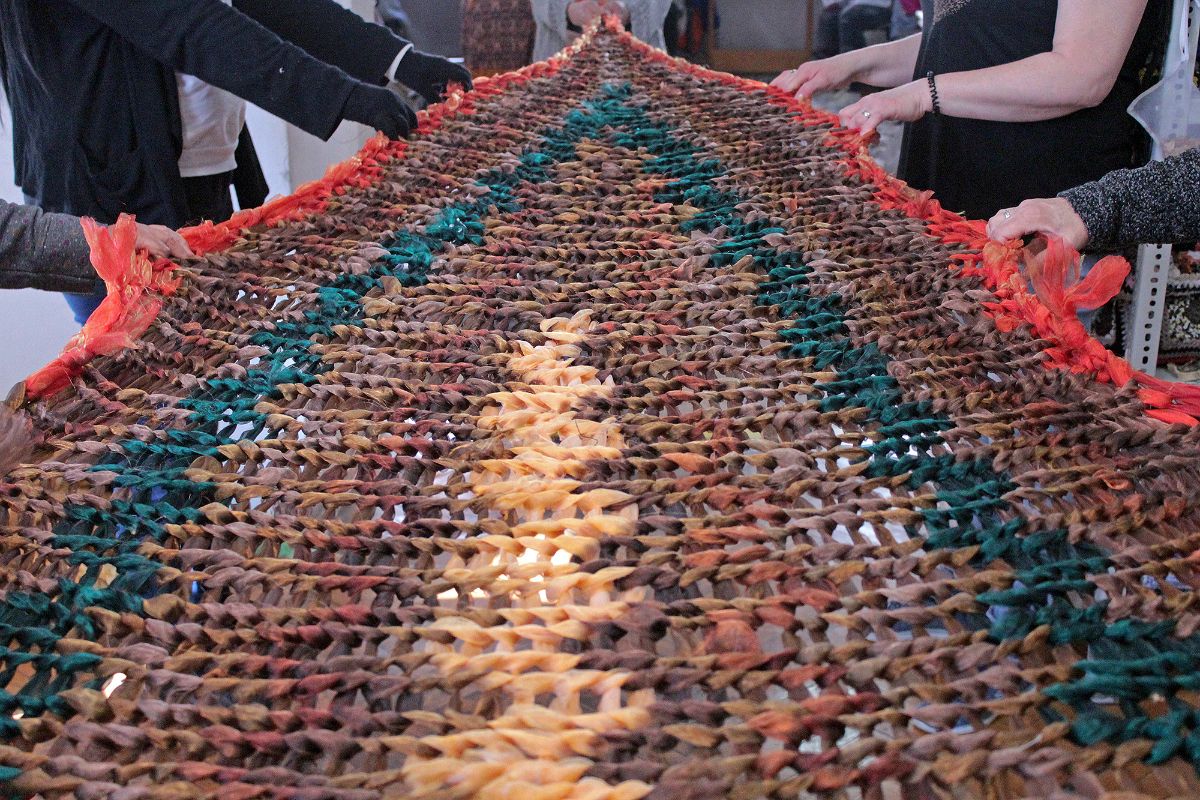
In 2025, our first working day is January 6, Zoli, gyula and Szilveszter take out the skeins again, Angéla already has ideas for what will be created this year: flower petals. These are deltoid shaped objects, we will create three sets of varying length, the main focus is modularity. We experiment, finalize the actual lengths, and the algorithm of creation. The petals are created with looping, 2 sets of pink are the starting lines, then 6 pairs of one set of color chosen by the creator, then 2 times 2 sets of purple, then 6 pairs of a second color, and the closing is brown. Every created piece is measured and tested. I was an engineer in my previous work so counting and the summary of the measurements is my job, Angéla helps a lot of course, we start over several times, so that the 3000 square meters required above the main dance floor is actually that much. One petal is done in one or two days. Looping is fast, the waves of colors determine our workdays.
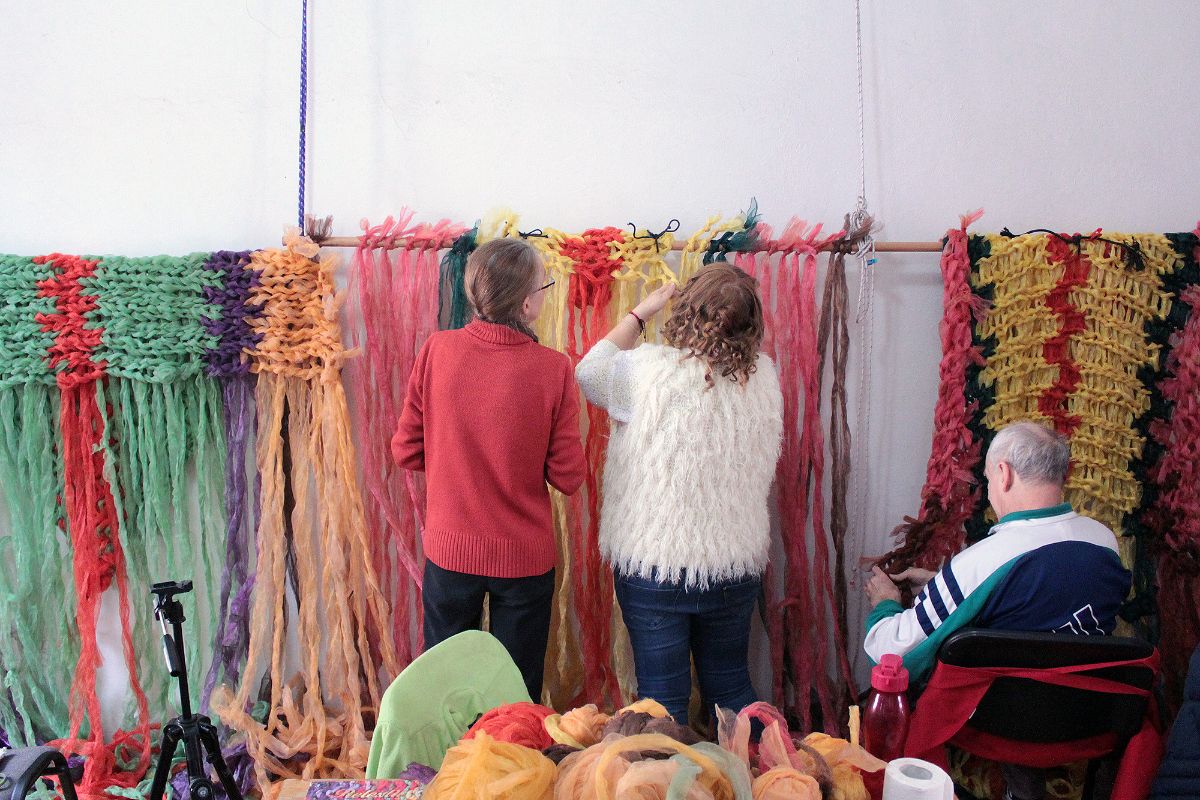
In addition to the mandatory colors, everyone chooses what harmonizes with them, the skeins disappear nicely in days and weeks. Looping, break, looping, brunch, looping, break, the bell in the church nearby strikes twelve and we go home. The next day we continue where we stopped, the thread starts from inside the skeins, it is easier that way. Days pass, it is cold and cloudy, the yellows, oranges, reds, greens, tired pinks, magentas and purples compensate nicely for the gloomy, grey end of winter days. Some colors have been used previously and then recycled again, the scorching sun above the festival has faded strange patterns into them. Now it is winter, smokers shiver outside in the yard, others eat their sandwiches at breaktime. Then: looping. Petals are created.
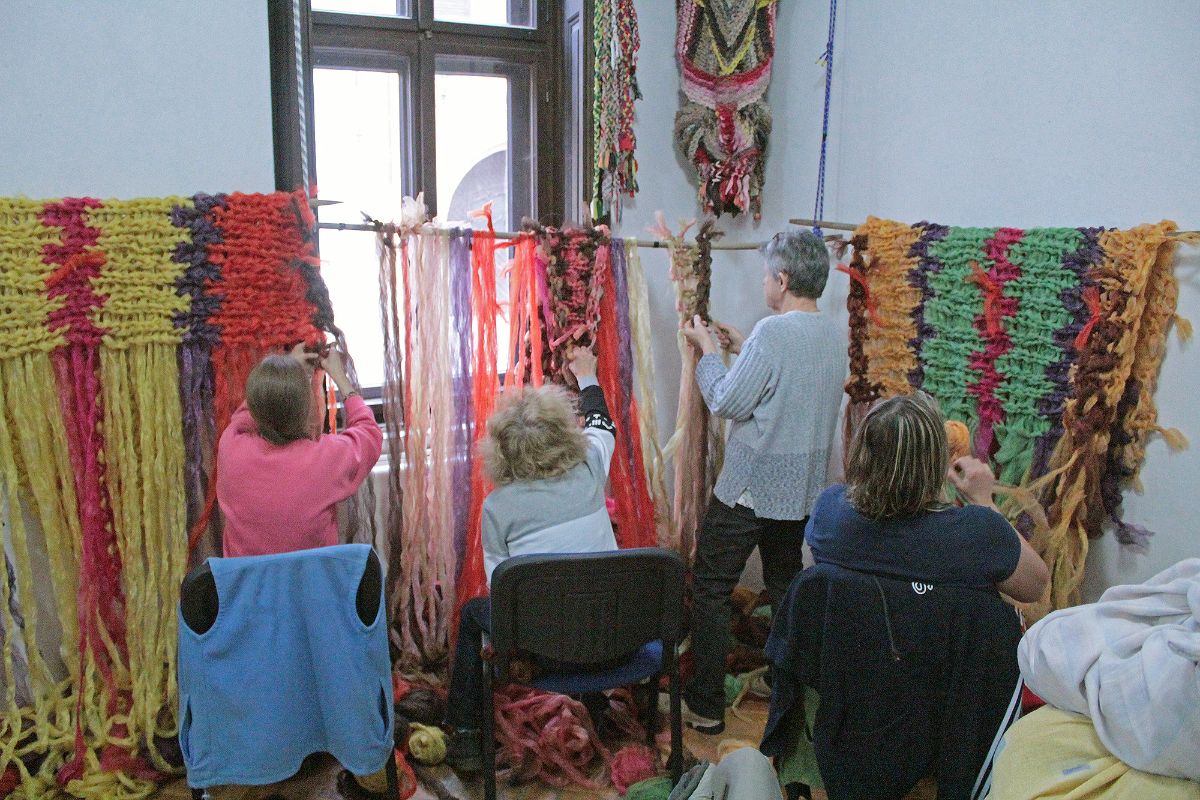
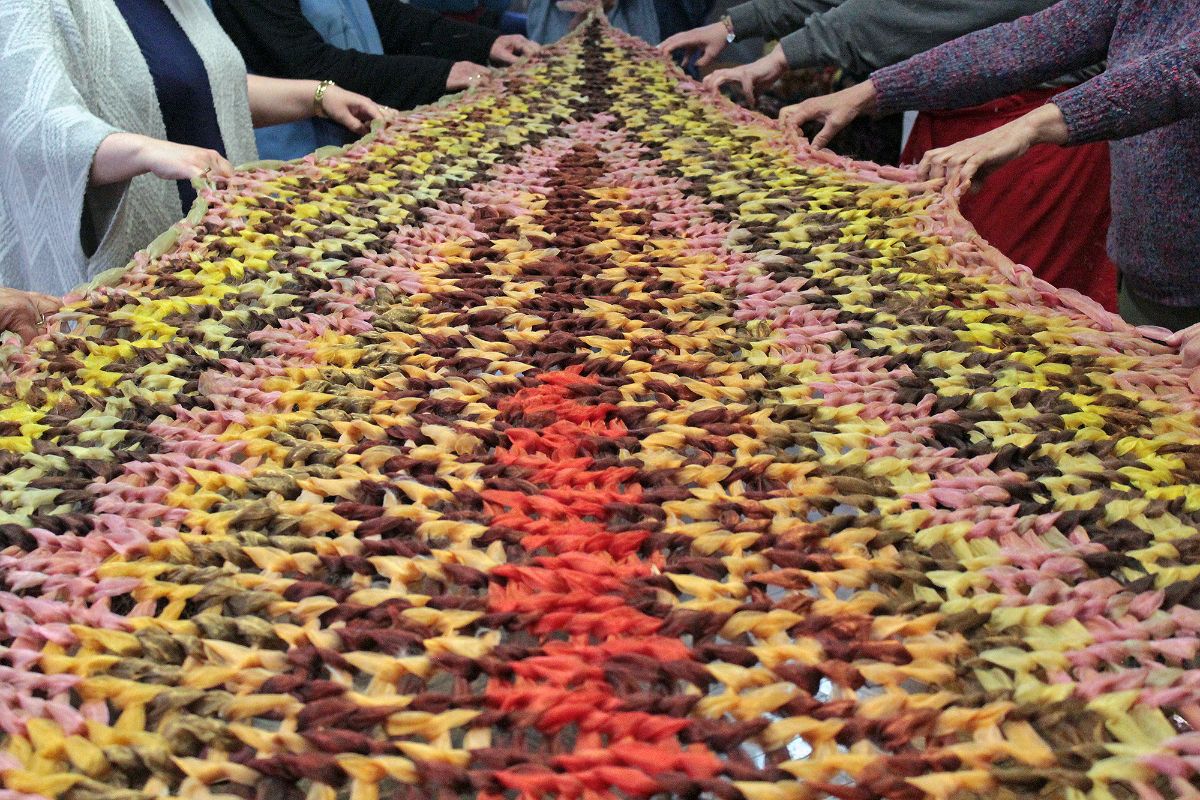
The daily routine is that after the last break, the pieces completed that day are stretched by the stronger hands, this is testing, to see if there are any mistakes, and in the meantime, Peter comes from the office to photograph each one. The next day, it is the same, and the day after that, and the day after that too, whole weeks, months, there are 10-12 workstations on the walls, those who are not looping are sorting the colors. Suddenly, it is March. Colors are becoming less and less, which started pink in the middle is now purple that that is gone too so it’s orange, at the end, everybody is struggling to find colors for their non-compulsory fields of the algorithm, everyone wants to create them best. I don’t say that we fight, but there are situations…the rhythm of the day is looping, breaks, testing, we go home.
Outside in the yard, everything turns green, we don’t need a winter coat by now.
At the end of march the last of the last balls of thread are used, existing patterns are dissolved as there are no colors to make them so we just loop with what we have, using everything up, and this creates a noisy, poppy look in the last pieces which is an interesting contrast to previous works. Angéla cuts deltoids out of paper and we start to arrange them in possible formats: flowers and other organic structures, there are really a lot of possibilities, thanks to the modular design of the petals. This is our last, eighth festival to which our works go and get installed. A fitting end to almost a decade of work, in which we put a lot of time, experimenting, testing, letting go, learning, all the previous textile knowledge we brought, so that always, every year, a work is created above the main stage that is new and stands on its own feet, both technically and in terms of the artistic concept, flawlessly. Somebody says that this is a really colorful flower and they are right, this colorful, many-petalled, wonderful flower is our parting gift.
























































(Photography & Text: Peter Kupás)